First Impressions
The first spray of Jean-Louis Scherrer's 1979 signature fragrance is like pushing through a velvet curtain of wet leaves into a hidden conservatory. There's an immediate sharpness—that unmistakable bite of aldehydes meeting green notes—that announces this is no timid floral. The opening is assertive, almost brazen, with hyacinth's waxy floralcy cutting through the verdant accord while violet adds an aristocratic coolness. Cassia lends a subtle spice that prevents the composition from veering too sweet, grounding it in something more mysterious. This is the scent of a woman who knows exactly who she is, created during perfumery's most confident era.
The Scent Profile
The architecture of this fragrance reveals Jean-Louis Scherrer's understanding of haute couture translated into scent. Just as his fashion house was known for elegant construction with unexpected details, this perfume builds itself in distinct yet seamless layers.
Those opening green notes dominate with full force—the data shows green registering at maximum intensity—but they're refined by aldehydes that shimmer like expensive fabric catching light. The hyacinth brings a spring garden freshness, while violet whispers of powdered elegance. Cassia, that underrated spice note, adds warmth without sweetness, creating tension between cool and warm from the very beginning.
As the fragrance settles, an opulent white floral heart unfolds with the confidence of late-70s perfumery, when more was always more. Orris root—that most expensive of perfume ingredients—provides a buttery, slightly earthy foundation for the florals to dance upon. Rose and jasmine form the traditional backbone, but it's the carnation, gardenia, and tuberose that give this composition its character. Carnation adds a spicy, almost clove-like dimension, while gardenia contributes creamy richness. Tuberose, that notorious indolic flower, brings a hint of the forbidden without overwhelming.
The base is where this fragrance truly distinguishes itself from simpler floral compositions. With woody notes registering at 78% and earthy at 73%, the foundation is substantial and enduring. Oakmoss and vetiver create that classic chypre structure—earthy, bitter-green, and grounding. Civet, though likely synthetic in modern productions, adds animalic depth and longevity. The woody trio of cedar, sandalwood, and the supporting cast of musk, amber, and vanilla creates a base that's simultaneously forest floor and boudoir. It's powdery (51%) but never grandmotherly, mossy (50%) but never musty.
Character & Occasion
This is a fragrance that defies the modern obsession with categorization. The data shows it works across all seasons, and that versatility speaks to its masterful construction. In spring and summer, the green and floral aspects shine through, making it refreshing despite its richness. In autumn and winter, those woody, earthy base notes emerge more prominently, providing warmth and depth.
Interestingly, the day/night data shows equal neutrality, suggesting this is a fragrance that adapts to intention rather than time of day. Wear it during daylight, and its green, earthy qualities feel appropriate and sophisticated—perfect for a woman who moves through her day with purpose. In evening hours, that same composition reads more mysterious, with the florals and musky base coming forward under artificial light.
This is decidedly not a fragrance for the tentative. It requires confidence to wear and a willingness to be noticed. The woman who wears Jean-Louis Scherrer is comfortable taking up space, both literally and olfactively. She likely appreciates quality over trends, substance over flash.
Community Verdict
With 4.31 out of 5 stars from 1,181 votes, this fragrance has earned genuine respect from those who've experienced it. That's a remarkably high rating for a scent from 1979—an era when perfumes were unapologetically bold. The strong rating suggests this has aged gracefully, maintaining relevance despite changing trends. The substantial vote count indicates this isn't some obscure curiosity but a fragrance that continues to find and captivate wearers more than four decades after its launch.
How It Compares
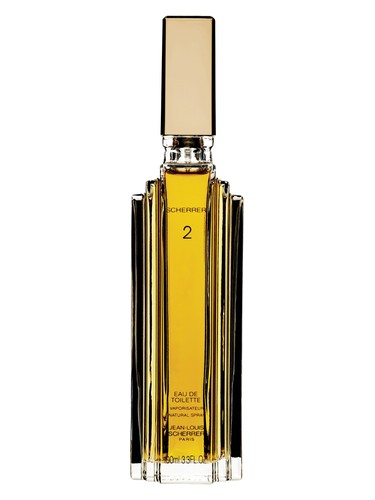
The data positions Jean-Louis Scherrer among legendary company: Chanel N°19, Knowing by Estée Lauder, Magie Noire by Lancôme, and First by Van Cleef & Arpels. This is the green chypre family at its finest—sophisticated, complex fragrances from an era when perfumers had both the budget and the creative freedom to craft something truly lasting.
Where N°19 leans more austere and iris-focused, Jean-Louis Scherrer offers more floral generosity. Compared to the gothic intensity of Magie Noire, it's more approachable while maintaining complexity. Against Knowing's more resinous character, Jean-Louis Scherrer emphasizes its green, earthy qualities. It holds its own in this distinguished lineup, offering a particular balance of accessibility and sophistication.
The Bottom Line
Jean-Louis Scherrer perfume deserves its 4.31 rating. This is proper perfumery from an era when houses weren't afraid to create something challenging, something that demanded the wearer rise to meet it rather than the reverse. The fact that it remains compelling decades later speaks to its quality of construction and timelessness of vision.
Finding this fragrance may require some hunting—it's not carried in every department store—but for those drawn to green chypres, woody florals, or simply well-crafted vintage-style perfumery, the search is worthwhile. This isn't an everyday fragrance for most, but rather a signature scent for someone who wants to smell like nobody else in the room. If you love any of its similar fragrances, or if you're curious about what haute perfumery smelled like before focus groups smoothed away all the interesting edges, Jean-Louis Scherrer from 1979 deserves a place on your must-try list.
AI-generated editorial review