First Impressions
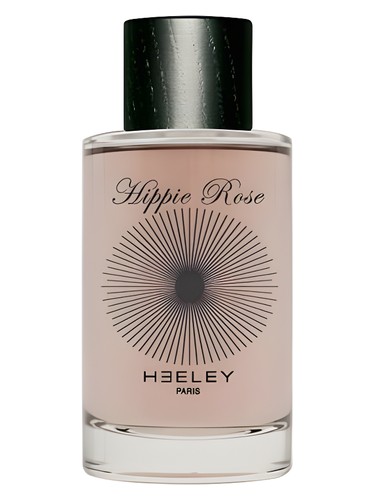
The first spray of Hippie Rose is a delightful contradiction—or perhaps more accurately, a harmonious reconciliation. Where you might expect James Heeley''s 2011 creation to open with the dewy sweetness of rose petals, you''re instead greeted by something far more intriguing: the green, slightly bitter earthiness of oakmoss mingling with crisp bergamot. It''s as though you''ve stumbled upon a wild rose growing not in a manicured garden, but in a sun-dappled forest clearing where the ground is soft with fallen leaves and the air carries that unmistakable verdant quality of living green things. This isn''t your grandmother''s rose—unless your grandmother spent the Summer of Love in San Francisco.
The Scent Profile
Hippie Rose opens with an unconventional trilogy for a rose fragrance: oakmoss leads the charge alongside green notes and bergamot. The oakmoss provides an almost medicinal sharpness, a woody-earthy bitterness that immediately announces this rose will play by different rules. The bergamot offers citric brightness, but it''s muted, filtered through those green notes like sunlight through a canopy. There''s nothing particularly feminine about this opening in the traditional sense—it''s androgynous, confident, and grounded.
As the fragrance settles into its heart, the rose finally reveals herself, but she arrives arm-in-arm with patchouli—and what a partnership this proves to be. The rose here reads as natural and slightly spiced rather than soapy or powdery. It''s the scent of actual rose petals, complete with their green stems and the earth they grew from. The patchouli doesn''t overwhelm; instead, it weaves through the rose like incense smoke, adding depth and a subtle chocolate-like richness that keeps the composition from veering too floral. This is where the fragrance earns its name—there''s something decidedly bohemian about this marriage of flower child iconography.
The base is where Hippie Rose truly settles into its skin and reveals its complexity. Incense adds a resinous, contemplative quality, as if the scent has been burning slowly in a wooden temple. Vetiver contributes its characteristic earthy smokiness, while musk provides a soft, skin-like foundation. Amber rounds everything out with warmth, ensuring that despite all the green and woody elements, there''s an embracing quality to the dry-down. This isn''t a rose that sits primly on the skin—it sprawls out comfortably, woody and warm and utterly at ease with itself.
Character & Occasion
The community data tells a clear story: Hippie Rose is overwhelmingly a daytime fragrance, and it truly comes alive in spring and fall. This makes perfect sense. In spring, it captures that moment when the earth is warming and flowers are pushing through soil still rich with decay. In fall, its woody and earthy qualities harmonize with the season''s turning leaves and cooler air. Summer wears it reasonably well at 62%, likely because the green opening and earthy qualities prevent it from becoming cloying in heat, though the woody base might feel substantial when temperatures soar. Winter is its least natural habitat at just 40%—this rose needs some warmth in the air to truly bloom.
As a daytime scent, it''s perfect for someone who wants to wear rose to the office, a weekend hike, or brunch without announcing their presence from across the room. Yet that 58% night wearability suggests it has enough depth and sophistication to transition into evening, particularly for more casual or creative settings. This isn''t a gala gown fragrance—it''s more faded jeans and a vintage leather jacket.
While marketed as feminine, the woody and patchouli dominance (98% and 89% respectively) makes this eminently wearable for anyone who appreciates a grounded, naturalistic rose. It''s for those who find traditional rose fragrances too sweet, too powdery, or too overtly romantic.
Community Verdict
With a solid 4.06 out of 5 rating from 498 votes, Hippie Rose has clearly found its audience. This isn''t a fragrance with universal appeal—and that''s precisely its strength. Nearly 500 people have taken the time to rate it, and they''ve collectively given it high marks, suggesting that those who seek out this particular interpretation of rose are rewarded. The rating indicates a well-crafted fragrance that delivers on its promise: rose reimagined through an earthy, bohemian lens.
How It Compares
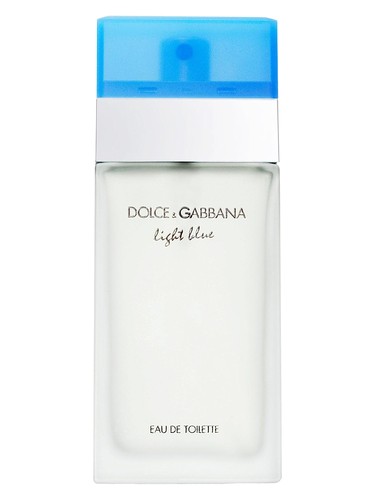
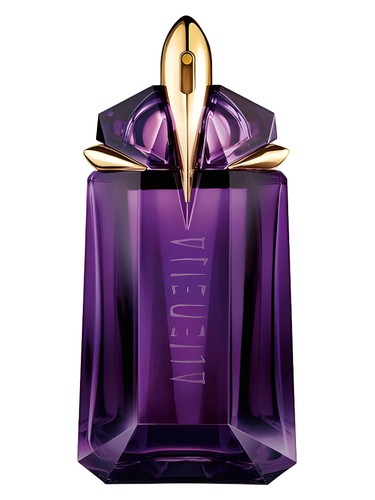
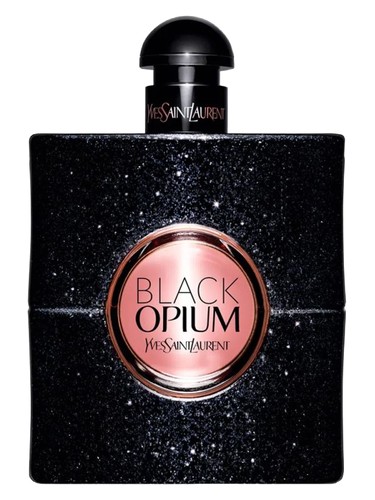
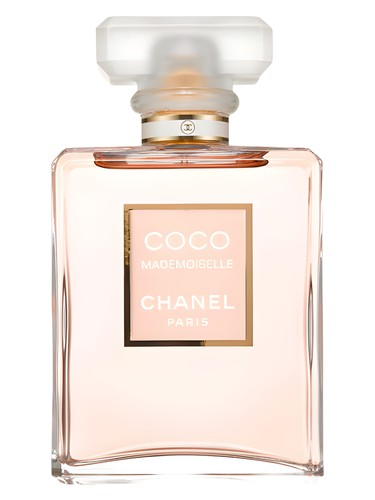
The company Hippie Rose keeps is rarefied. Its similarity to Portrait of a Lady and Tom Ford''s Noir de Noir positions it among the great modern rose-patchouli compositions, though Heeley''s interpretation skews earthier and less opulent. Where Portrait of a Lady drapes you in brocade, Hippie Rose wraps you in soft linen. The comparison to Chanel''s Coromandel highlights the incense connection, while the Bottega Veneta similarity speaks to that sophisticated, woody-leather quality. Black Orchid shares the earthy-patchouli DNA, though Hippie Rose is notably lighter and less gothic. Among these luxury players, Heeley''s creation holds its own as the most naturalistic and wearable for everyday life.
The Bottom Line
Hippie Rose succeeds because it refuses to compromise. It could have been a safer, more commercial rose fragrance, but instead, James Heeley crafted something with conviction—a rose for people who think they don''t like rose, and a woody fragrance for those who still want their florals. At 4.06 stars with nearly 500 votes, it''s clearly resonating with its intended audience.
This is a fragrance worth exploring if you appreciate perfumes that challenge category expectations, if you gravitate toward natural-smelling compositions, or if you''ve been searching for a rose that feels grounded rather than precious. It deserves your attention if your wardrobe includes more vintage finds than designer labels, if you prefer farmer''s markets to department stores, or if you simply want to smell interesting rather than merely pleasant.
Hippie Rose won''t be everyone''s signature scent—but for those it speaks to, it speaks volumes.
AI-generated editorial review