First Impressions
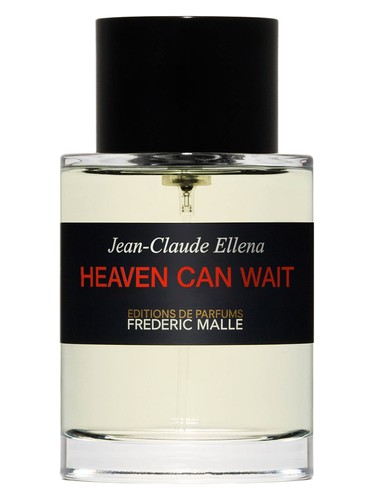
Heaven Can Wait announces itself with an unexpected warmth—not the sugary sweetness you might anticipate from its name, but rather the dusty heat of a spice merchant''s interior. That first spray delivers an assertive blend of cloves and nutmeg, tempered by the green, vegetal quality of carrot seeds and the vegetal-musky whisper of ambrette. There''s plum hiding in this opening act too, though it reads more as a rounded richness than recognizable fruit. This is a fragrance that immediately signals its intentions: refined, complex, and unabashedly powdery from the very start.
The composition feels deliberate in its restraint, offering complexity without cacophony. Within minutes, that spice-forward opening begins its gentle descent into something softer, more enveloping—a preview of the iris heart that will define the fragrance''s character for hours to come.
The Scent Profile
The evolution of Heaven Can Wait follows a classical structure, yet the execution feels distinctly modern. Those opening spices—cloves, nutmeg, pimento, and carrot seeds—create an unusual aromatic framework that''s both culinary and abstract. The plum adds body without sweetness, while ambrette contributes a skin-like quality that becomes more apparent as the fragrance settles.
As the top notes recede, the heart emerges with iris taking center stage. This isn''t the rooty, earthy iris of some compositions, nor is it the aggressively metallic variety. Instead, it''s buffed to a powdery sheen, supported by magnolia''s creamy floralcy and vetiver''s grassy-woody backbone. Cashmeran brings a diffused, almost blurred quality to the composition—that synthetic molecule known for its soft, musky-woody character that seems to push everything into soft focus. Cedar adds structural integrity without dominating, creating a framework upon which the other notes can rest.
The base reveals where Heaven Can Wait truly distinguishes itself within the powdery fragrance category. Musk dominates here, but it''s layered with surprising companions: a whisper of peach that reads more as fuzzy skin than fruit flesh, and vanilla that adds warmth without veering into gourmand territory. This foundation is where the fragrance finds its equilibrium—powdery but not dusty, warm but not heavy, musky but not animalic.
The overall impression across its development is one of sophisticated powder with a spiced, woody-musky architecture. The fruity elements remain subtle throughout, more textural than literal.
Character & Occasion
With fall scoring a perfect seasonal match and strong showings in spring and winter, Heaven Can Wait reveals itself as a transitional season specialist. This is the fragrance for those in-between days when the air holds a chill but the sun still provides warmth—when you want something substantial without feeling suffocated. Its 47% summer score suggests this isn''t a scorching weather companion, which makes sense given the warm spices and powder-forward composition.
The day-to-night data tells an interesting story: at 86% day versus 58% night, this fragrance leans toward daytime sophistication rather than evening seduction. It''s the scent of well-cut cashmere, of galleries in the afternoon, of working lunches that matter. That''s not to say it can''t transition into evening, but it lacks the intensity or darkness that typically defines night-time signature scents.
This is a fragrance for someone who appreciates the powdery aesthetic but wants it modernized, spiced up, given dimension beyond simple nostalgia. It speaks to a confident femininity that doesn''t need to announce itself loudly.
Community Verdict
With 927 votes landing at 3.74 out of 5, Heaven Can Wait sits in that intriguing middle territory—well-liked but not universally adored. This rating suggests a fragrance that rewards those who seek it out rather than one that converts skeptics at first sniff. The relatively robust voting sample indicates genuine interest in this 2023 release, and the score reflects a composition that delivers quality and craftsmanship while perhaps not achieving the immediate impact of more polarizing fragrances.
This isn''t a weakness so much as a characteristic: Heaven Can Wait is a grower, a fragrance that reveals its intelligence over time rather than in a single dramatic gesture.
How It Compares
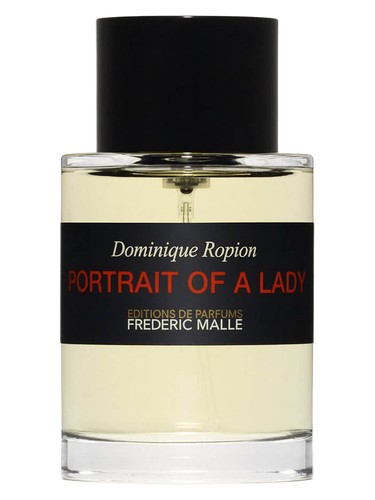
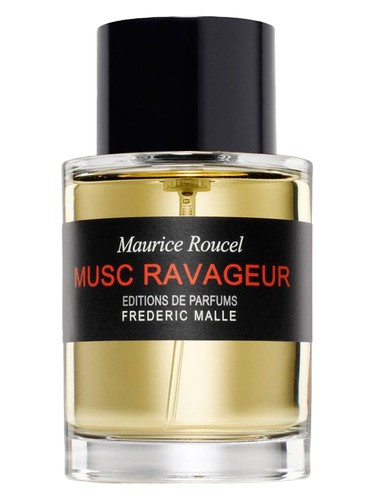
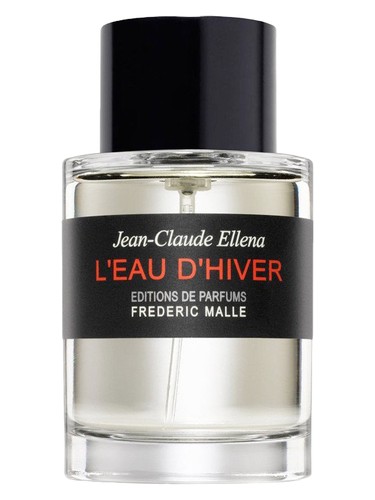
Within the Frederic Malle stable, Heaven Can Wait naturally converges with Iris Poudre and L''Eau d''Hiver in the powdery-soft category, though it distinguishes itself with more prominent spicing than either. Its kinship with Musc Ravageur appears in the musky foundation, though Heaven Can Wait opts for restraint where Musc Ravageur chooses opulence. The comparison to Portrait of a Lady is perhaps more about the house''s overall sophistication than specific scent similarity.
The Tom Ford Black Orchid reference is the most surprising—these fragrances occupy different universes in terms of intensity and darkness. What they might share is a certain unapologetic femininity and complexity that demands attention.
The Bottom Line
Heaven Can Wait won''t convert powder-phobics, and those seeking groundbreaking innovation might find it too comfortable within established genre conventions. But for lovers of sophisticated, wearable powder with enough spice and complexity to feel contemporary, this is a fragrance worth exploring. The 3.74 rating reflects honest community assessment: this is very good rather than transcendent, refined rather than revolutionary.
At the Frederic Malle price point, it represents the brand''s consistent commitment to quality materials and expert composition. It''s not trying to be the loudest voice in the room—it''s the one you lean in to hear, and find yourself glad you did. If powdery, warm, musky fragrances appeal to your sensibility, Heaven Can Wait deserves time on your skin, particularly as the seasons shift toward cooler weather.
AI-generated editorial review