First Impressions
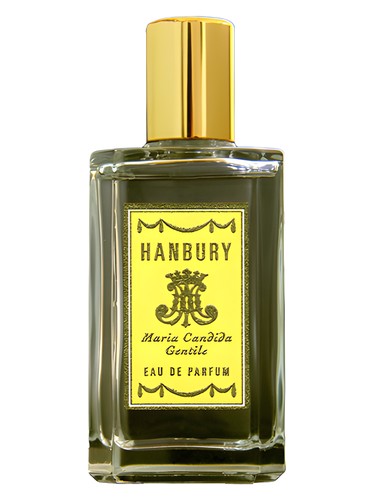
The first spray of Hanbury transports you to the terraced gardens of the Italian Riviera, where bitter orange trees heavy with fruit overlook the Mediterranean. This is not the sharp, fleeting citrus of a cologne—it''s something far more substantial. The opening bursts with a trinity of citrus notes: bitter orange, sweet orange, and lime create a multifaceted brightness that feels almost three-dimensional. But within moments, you sense what makes Maria Candida Gentile''s 2010 creation distinctive: honey begins to weave through those sun-warmed citrus groves, adding a golden viscosity that promises longevity and depth unusual in citrus-forward compositions.
There''s an immediate warmth here, a sweetness that feels natural rather than confected, as if you''ve stumbled upon a beehive hidden among flowering branches. This is a fragrance that announces itself with joy—uncomplicated in the best sense, yet quietly sophisticated in its construction.
The Scent Profile
Hanbury''s evolution reveals a masterclass in balancing brightness with substance. The opening act belongs entirely to the citrus trio, with bitter orange taking the lead role. Unlike the sometimes one-note character of citrus fragrances, the interplay between the bitter and sweet orange varieties creates complexity—there''s zest and pith, juice and rind, tartness and candy-like sweetness all dancing together. The lime adds a green, slightly herbal edge that keeps the composition from veering too sweet too quickly.
As the citrus begins its inevitable fade—though it lingers far longer than you might expect—the heart reveals itself with unexpected richness. Mimosa emerges with its characteristic powdery-yellow floral quality, bringing a soft, almost fuzzy texture to the composition. This is where white honey truly takes center stage, enveloping the mimosa in amber-toned sweetness. The calycanthus, a less common perfume ingredient also known as winter sweet, adds a spicy, almost wine-like floral note that deepens the honey accord and prevents it from becoming cloying.
The base of benzoin and musk provides a gentle landing. The benzoin''s vanilla-tinged, balsamic warmth reinforces the honey theme while adding a subtle powdery quality that complements the mimosa. The musk remains clean and soft, more about creating a skin-like intimacy than making any bold statement. This foundation allows the perfume''s sweeter elements to radiate without overwhelming, creating what devotees of the fragrance describe as remarkable longevity for something so citrus-dominant.
Character & Occasion
The data tells a clear story: Hanbury is a daytime fragrance par excellence, scoring a perfect 100% for day wear while managing only 22% for evening appropriateness. This isn''t a criticism—it''s a clarification of purpose. This is a perfume for sunshine, for productivity, for optimism.
Seasonally, spring claims Hanbury almost completely (99%), with summer following at a respectable 74%. The fragrance''s DNA simply aligns with warmer weather and longer days—it would feel oddly displaced in the depths of winter (21%), though there''s something to be said for wearing it as an antidote to gray skies. Fall manages 44%, suggesting it works beautifully during those golden September and October days when summer hasn''t quite released its grip.
This is decidedly marketed as a feminine fragrance, though the honey-citrus combination has enough brightness and warmth to work on anyone drawn to sun-soaked, sweet-leaning scents. It suits those who want to smell approachable and radiant without resorting to the ubiquitous fruity florals that dominate the market. Think garden parties, outdoor brunches, creative workplaces, weekend errands—anywhere you want to project warmth and energy without formality or seduction.
Community Verdict
With a rating of 4.09 out of 5 based on 340 votes, Hanbury has earned genuine affection from those who''ve discovered it. This isn''t a fragrance with thousands of reviews—Maria Candida Gentile operates in the niche realm where word-of-mouth and personal discovery matter more than marketing budgets. That 4.09 rating, therefore, carries weight. It suggests a fragrance that delivers on its promise, that finds its audience and satisfies them.
The relatively modest vote count also indicates this remains something of a hidden gem—not obscure, but certainly not mainstream. For those seeking something distinctive in the citrus-honey category, that''s actually good news.
How It Compares
The comparison to powerhouses like Chanel''s Coco, Guerlain''s Shalimar and L''Heure Bleue, Dior''s Dune, and Serge Lutens'' Chergui is fascinating—these are largely oriental and ambery classics, quite different in character from Hanbury''s bright disposition. What they share is a commitment to honey and powdery accords, and perhaps a certain old-world sophistication in their construction.
Where Shalimar and L''Heure Bleue drape you in opulent vanilla and incense, Hanbury keeps things light and luminous. If Chergui is honey warmed by tobacco and hay, Hanbury is honey illuminated by citrus sunshine. The connection to Dune is perhaps strongest—both fragrances have that slightly retro, powdery quality combined with warmth, though Dune skews more abstract and oceanic while Hanbury remains firmly in the garden.
The Bottom Line
Hanbury succeeds brilliantly at what it sets out to do: create a citrus fragrance with genuine staying power and emotional warmth. The honey accord is the secret weapon here, transforming what could have been another pleasant-but-fleeting citrus cologne into something you''ll still be enjoying hours later.
At 4.09 out of 5, this is clearly a well-loved fragrance, though its lower profile means you''re unlikely to encounter someone wearing it at every event. For those who find conventional citrus fragrances too ephemeral and gourmands too heavy, Hanbury offers an appealing middle path. The price point for niche Italian perfumery is never negligible, but the quality and distinctiveness justify the investment for those who prioritize uniqueness.
Who should try it? Anyone longing for eternal spring, those who''ve worn their bottle of Dior''s Dune to death and want something brighter, and people who insist their daytime fragrance should feel like sunshine even when the forecast disagrees.
AI-generated editorial review