First Impressions
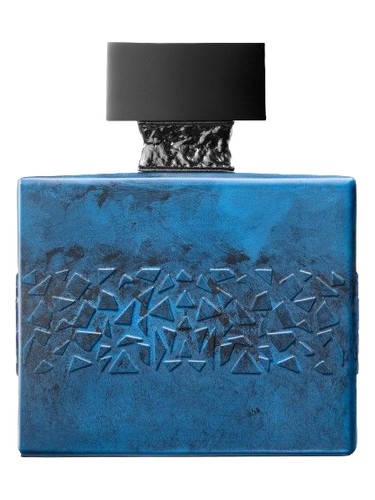
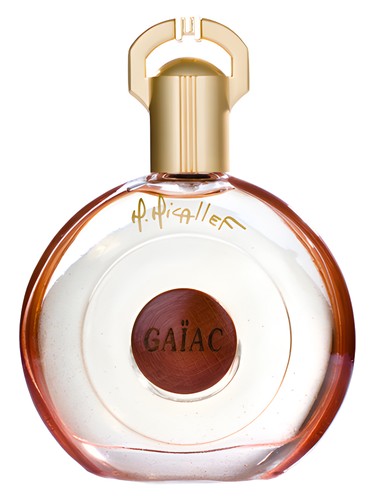
The first spray of Gaiac delivers a moment of deceptive simplicity—a flash of bergamot that seems almost polite, civilized even. But wait thirty seconds, and you''ll understand the game M. Micallef is playing here. This isn''t bergamot as citrus fanfare; it''s bergamot as aperitif, a brief moment of brightness before the composition reveals its true nature. Within minutes, the citrus recedes like morning mist, and what emerges is a study in woody warmth that feels both meditative and unexpectedly sensual. This is a fragrance that doesn''t announce itself with bombast—it introduces itself with a firm handshake, then slowly reveals layers of complexity that demand attention.
The Scent Profile
Gaiac''s evolution is a masterclass in restraint. That opening bergamot note serves its purpose efficiently, providing just enough lift to prevent what follows from feeling heavy or monolithic. It''s gone within twenty minutes, but its job is done—the stage is set.
The heart reveals the fragrance''s ambition. Cloves emerge with their characteristic warmth, but they''re tempered here, woven seamlessly with jasmine in a combination that shouldn''t work in a masculine fragrance but absolutely does. The jasmine never reads as floral in the traditional sense; instead, it adds an almost narcotic sweetness that softens the spice''s sharper edges. This is where Gaiac begins to distinguish itself—there''s a sophistication in how these middle notes balance, neither dominating, both contributing to a growing sense of enveloping warmth.
But the base is where this fragrance truly lives. Guaiac wood—the namesake note—anchors everything with its distinctive smoky, slightly medicinal character. If you''ve never experienced guaiac, imagine the smell of fine incense crossed with freshly split cedar, with an underlying creaminess that prevents it from turning austere. M. Micallef surrounds this central pillar with vanilla that leans gourmand without becoming dessert-like, amber that adds golden depth, and vetiver that provides just enough earthiness to keep everything grounded. The result is a base that can carry for hours, evolving slowly from woody-spicy to woody-sweet, always warm, always present but never overwhelming.
The dominant woody accord (rating at a full 100% intensity) is no exaggeration—this is wood in its most appealing form, supported by nearly equal measures of warm spice and vanilla (both at 51%), with amber and powder adding textural interest. There''s an aromatic quality threading through it all that keeps it from feeling too heavy or oriental.
Character & Occasion
Gaiac is unambiguously a cold-weather fragrance. The community data speaks clearly here: fall scores perfectly at 100%, with winter following closely at 93%. This makes sense—spray this on a hot summer day (a mere 17% seasonal score) and you''ll understand why. The warmth that feels enveloping in October feels suffocating in July. This is a fragrance that needs cooler air to breathe, to project properly, to reveal its nuances.
Interestingly, while the woody-vanilla composition might suggest an evening scent, it skews notably toward daytime wear (84% versus 59% for night). There''s something about its sophistication and restraint that makes it office-appropriate, meeting-ready, suitable for situations where you want to smell excellent without demanding attention. That said, it transitions beautifully into evening, gaining intimacy as it wears closer to the skin.
This is distinctly masculine territory—not because women couldn''t wear it, but because its structure, its proportions, its overall character speak to traditional masculine fragrance architecture. It''s for someone who appreciates woody scents but wants something more interesting than the usual cedar-and-vetiver combinations. It''s for the person who finds designer fragrances too loud and niche fragrances sometimes too weird.
Community Verdict
With a rating of 4.22 out of 5 based on 789 votes, Gaiac sits in that sweet spot of broad appeal without compromise. This isn''t a polarizing fragrance—it''s not trying to be. The rating suggests consistency, quality, and a composition that delivers on its promises. Nearly 800 people have weighed in, and the consensus is clear: this is a well-executed woody fragrance that earns its admirers through craftsmanship rather than gimmickry.
How It Compares
The comparison set here is fascinating and revealing. Dune by Dior shares that refined, slightly austere woody character. Timbuktu by L''Artisan Parfumeur operates in similar smoky-woody territory. But perhaps most telling are the comparisons to Musc Ravageur by Frederic Malle and Black Orchid by Tom Ford—these suggest that Gaiac, despite its restraint, shares DNA with more overtly sensual, vanilla-forward compositions. The Shalimar reference points to its amber-vanilla sweetness, though Gaiac is considerably less floral and more linear in its evolution.
Where Gaiac distinguishes itself is in accessibility. It offers complexity without requiring extensive fragrance knowledge to appreciate. It''s more approachable than niche outliers while being more interesting than most designer offerings.
The Bottom Line
Gaiac M. Micallef deserves its 4.22 rating. This is confident, mature fragrance composition—the kind that reveals M. Micallef''s quiet mastery of the craft. Released in 2005, it predates many of the woody-amber trends that would dominate masculine fragrances in the following decade, which makes it feel both classic and subtly ahead of its time.
It''s not without limitations. The sillage is moderate, the projection polite—if you want to fill a room, look elsewhere. And if you live somewhere perpetually warm, this might spend most of the year in your cabinet. But for those who appreciate the smell of quality woods, the comfort of vanilla-tinged warmth, and fragrances that reward patience rather than demanding immediate attention, Gaiac is absolutely worth exploring. It''s a fragrance for the person who has moved past needing to announce their presence and instead wants to reward those who come close enough to notice.
AI-generated editorial review