First Impressions
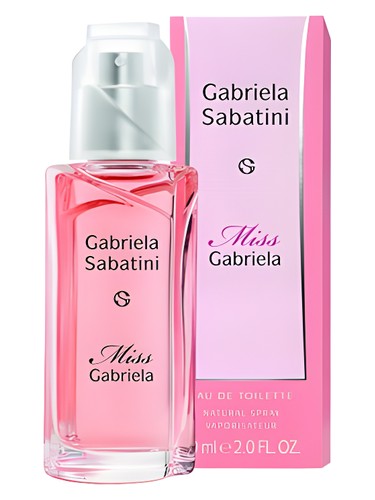
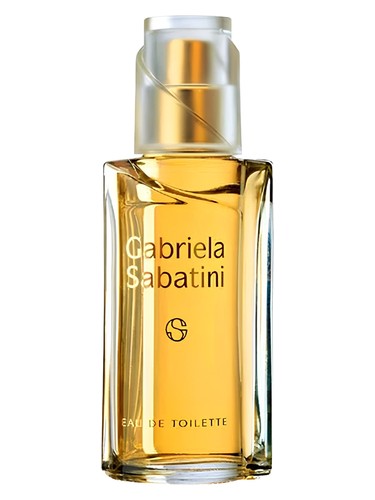
The first spray of Gabriela Sabatini announces itself with the unmistakable shimmer of aldehydes—that effervescent, soap-bubble sparkle that defined an era of perfumery. It''s 1989 in a bottle, complete with the optimistic brightness of citrus fruits dancing alongside those glittering aldehydes. There''s an immediate freshness here, mandarin and bergamot lending their sharp, clean edges, but this isn''t a tentative opening. It''s bold, unabashedly feminine, and unapologetically loud in the way that late-80s fragrances dared to be. Within moments, you sense the white floral avalanche gathering strength, ready to overwhelm with the kind of full-throated confidence that made tennis champion Gabriela Sabatini a household name.
The Scent Profile
The aldehydic citrus burst—bergamot, mandarin, and lemon brightened by fruity undertones—gives way relatively quickly to reveal the fragrance''s true identity: a white floral composition of considerable heft. Jasmine leads the charge in the heart, backed by orange blossom''s creamy bitterness and honeysuckle''s sweet nectar. Lily-of-the-valley adds its green, dewy quality while heliotrope brings a powdery almond softness. Rose rounds out this floral bouquet, though it plays a supporting rather than starring role.
This isn''t a delicate watercolor of white florals; it''s an oil painting with thick, visible brushstrokes. The flowers here feel opulent but also somewhat synthetic in their intensity—a characteristic neither entirely positive nor negative, but rather a signature of its time. The powdery accord, registering at 46% prominence, becomes increasingly apparent as the fragrance settles, that heliotrope lending a cosmetic quality that some will find comforting and others dated.
The base is where Gabriela Sabatini reveals its lasting power and commercial savvy. Vanilla emerges as the second-strongest accord at 54%, creating a sweet, enveloping warmth that''s amplified by tonka bean. This gourmand underpinning is balanced—barely—by the more traditional elements: amber''s resinous glow, sandalwood''s creamy woodiness, musk''s soft animalic quality, and touches of oakmoss and patchouli that gesture toward chypre traditions without fully committing. The result is a fragrance that sits at the intersection of white floral classicism and the emerging vanilla trend that would dominate the 1990s.
Character & Occasion
The data tells a fascinating story: this fragrance scores essentially perfectly for summer, fall, and winter wear (100%, 100%, and 97% respectively), with only spring lagging at 58%. It''s a testament to the composition''s versatility—or perhaps its intensity, which reads differently depending on the temperature. The white florals feel lush and vacation-ready in summer heat, comforting and enveloping in autumn, and richly warming against winter''s chill.
The day-versus-night breakdown (84% day, 100% night) suggests a fragrance that''s acceptable for daytime but truly comes alive after dark. This makes intuitive sense; the vanilla and amber base adds a sensuality that leans toward evening occasions, while the aldehydic citrus opening keeps it from feeling too heavy for afternoon wear.
Who is this for? The question feels more complicated than the juice itself. The composition suggests a woman who enjoys being noticed, who doesn''t shy away from sweetness, and who appreciates the full-bodied floral fragrances that have largely fallen out of fashion in favor of minimalist compositions.
Community Verdict
Here''s where the romance meets reality. With a sentiment score of just 3.5 out of 10, the Reddit fragrance community''s assessment is decidedly cool. The criticisms are pointed and revealing: the celebrity athlete association actively repels many collectors who view such fragrances as inherently less serious. Comments describe it as "tacky or juvenile" and note that "sophisticated fragrance enthusiasts have outgrown" this category entirely.
The pros are notably qualified—the celebrity name is "recognizable" (not necessarily prestigious), vintage versions "reported to receive compliments" (past tense, anecdotal), and it enjoyed "historical popularity in European markets" (emphasis on historical). These are the compliments you give something that had its moment but whose time has passed.
The community identifies three narrow use cases: vintage collectors hunting discontinued pieces, nostalgia-seekers with personal memories attached to the scent, and bargain hunters finding clearance stock. None of these positions the fragrance as a current, relevant choice for someone building a modern collection. Based on 27 opinions, the consensus is clear: this belongs to a category many have consciously moved beyond.
How It Compares
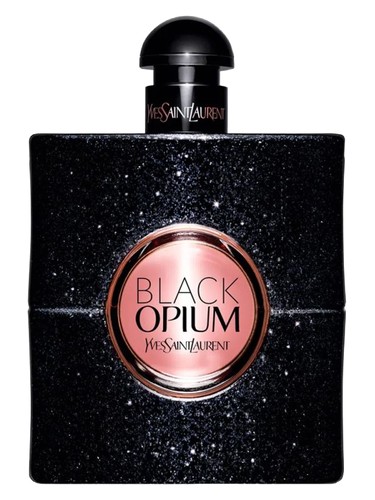
The similar fragrances list reads like a who''s who of white floral powerhouses: Givenchy''s Organza and Amarige, Jean Paul Gaultier''s Classique, Dior''s J''adore, and Lancôme''s Hypnôse. The comparison is illuminating. Most of these fragrances either come from established luxury houses (lending prestige that Gabriela Sabatini lacks) or, like Classique, have been recontextualized as ironic cult favorites. J''adore, though launched much later, shows how white florals can be modernized with better marketing and house pedigree.
Gabriela Sabatini sits awkwardly in this company—compositionally similar but culturally diminished by its celebrity origins and discontinued status.
The Bottom Line
The 3.64 rating from 2,163 voters tells a more generous story than the Reddit community''s harsh assessment, suggesting a divide between casual wearers and serious collectors. This is a perfectly competent white floral with strong vanilla sweetness and impressive longevity, executed in the maximalist style of its era.
Should you seek it out? That depends entirely on what you value. If you''re a vintage collector documenting late-80s commercial perfumery, it''s a worthy data point. If you have personal memories attached to this scent, vintage bottles can still be found. If you''re simply looking for a sweet white floral, however, you''ll find better-regarded options that are easier to source and less burdened by cultural baggage.
The tragedy of Gabriela Sabatini isn''t that it''s a bad fragrance—it isn''t—but that its celebrity origins have become a liability in an era when provenance and brand story matter as much as what''s in the bottle.
AI-generated editorial review