First Impressions
The first spray of Fleur de Corail transports you to that golden hour when sunlight glances off tropical waters, turning everything coral-pink and luminous. There''s an immediate burst of grapefruit and bergamot—bright, sun-warmed citrus that feels less like breakfast and more like the juice running down your wrist from a fruit plucked straight from the tree. This isn''t a sharp, aggressive citrus opening; it''s softened around the edges, almost hazy, as though you''re experiencing it through the salt-kissed air of a coastal breeze. Within moments, you sense the floral heart beginning its ascent, and you realize this is a fragrance that doesn''t believe in harsh transitions. Everything here flows like watercolor bleeding into wet paper.
The Scent Profile
Lolita Lempicka''s 2008 creation unfolds as a decidedly floral composition—the data confirms it''s 100% floral in character—but it''s the interplay with citrus (96%) that makes Fleur de Corail so compelling in its opening act. The grapefruit and bergamot duet lasts longer than you might expect from typical citrus notes, maintaining their presence even as frangipani and orchid begin to bloom at the heart.
The frangipani is where this fragrance truly reveals its tropical soul (55% tropical accord). It''s creamy without being heavy, redolent of those waxy white flowers that perfume warm evenings in places where winter is merely a concept. The orchid adds a subtle powdery quality (39% powdery accord) and a touch of sophistication, preventing the composition from becoming too vacation-resort predictable. Together, these florals create something delicate and gorgeous—adjectives that appear repeatedly in community feedback for good reason.
As the fragrance settles into its base, amber (49% amber accord) provides warmth without weight, while driftwood and musk anchor the composition with a woody element (40% woody accord) that feels appropriately beach-tumbled and sun-bleached rather than forest-dark. The musk here is worth noting—it''s a defining characteristic that some wearers find evocative and memorable, while others find it specifically unpleasant. It''s not the clean, laundry musk of modern fragrances; there''s something more animalic or vintage about it that will either charm or challenge your nose.
Character & Occasion
With an overwhelming 83% summer seasonality rating and 100% day-wear designation, Fleur de Corail knows exactly what it is: a warm-weather companion for sunlit hours. Spring follows at 57%, making this a fragrance that essentially lives in the warmer half of the calendar year. The data shows only 28% winter suitability, and honestly, that''s generous—this is not a fragrance that will cut through cold air or feel appropriate against wool sweaters.
The community wisdom suggests this works best for evening wear and special occasions, particularly in garden settings. There''s something about the delicate nature of this scent that makes it feel almost too precious for the fluorescent-lit chaos of daily office life. It''s a fragrance for sundresses and terrace dinners, for garden parties and seaside weddings. The 33% night-wear rating indicates it can transition to evening, but it won''t be a statement-maker at a crowded bar.
This is decidedly feminine in its presentation, and the delicate projection (a noted weakness) means it wears close to the skin—perfect for those who prefer their fragrance to be discovered rather than announced.
Community Verdict
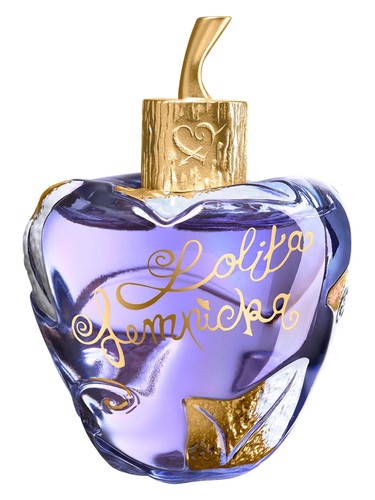
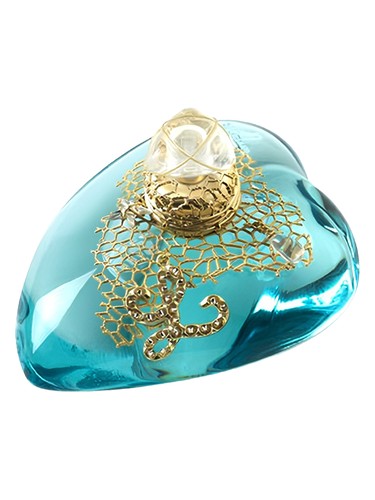
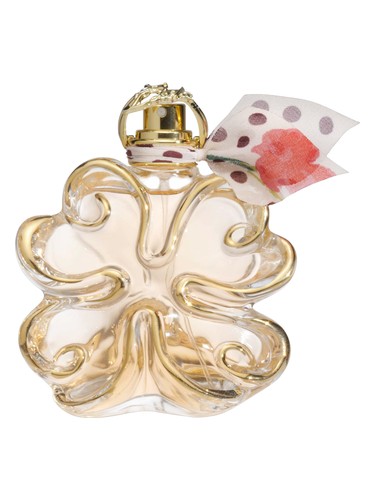
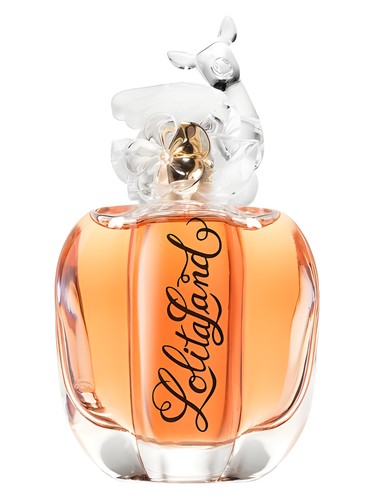
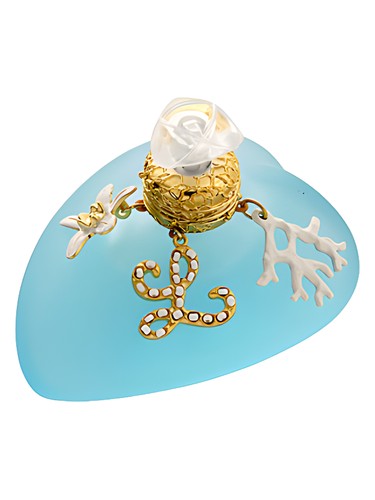
Based on 26 community opinions, Fleur de Corail earns positive sentiment with a 7.5/10 score, and the broader rating of 3.94/5 from 1,927 votes suggests this appreciation is widespread. The praise centers on that delicate, gorgeous scent profile and the beautiful, elegant bottle design that Lolita Lempicka is known for.
However—and this is significant—the longevity and projection issues dominate the criticism. This is a fragrance that fades faster than you''d like, requiring reapplication if you want it to last through an evening. The community notes that the bottle, while stunning, is fragile and impractical for daily wear (a consideration if you''re prone to dropping things in your bag). That divisive musk note also appears in multiple reviews, suggesting it''s a genuine potential dealbreaker worth testing before committing.
The recommendation to use it as a home fragrance speaks to both its pleasant character and its limitations—when you don''t need projection or longevity, just a beautiful scent in your immediate environment, Fleur de Corail excels.
How It Compares
The similar fragrances list places Fleur de Corail in surprisingly prestigious company: Narciso Rodriguez For Her, Chanel''s Coco Mademoiselle, Calvin Klein''s Euphoria, and Guerlain''s Shalimar Eau de Parfum. These comparisons likely stem from the amber-musk base and the sophisticated floral-citrus treatment rather than direct scent similarity. Within the Lolita Lempicka line, Si Lolita shares DNA with this one, offering an alternative if you love the brand''s aesthetic.
What sets Fleur de Corail apart is that tropical element—the frangipani and that sun-warmed coastal character that the others don''t quite capture. It occupies a specific niche: sophisticated tropical florals for those who find straight beach fragrances too casual.
The Bottom Line
Fleur de Corail is a fragrance of genuine beauty hampered by performance issues that may or may not matter to you. If you''re someone who reapplies fragrance throughout the day without frustration, or if you''re specifically seeking a delicate warm-weather scent that won''t overpower garden party conversations, this could be exactly what you need. The 3.94/5 rating reflects real appreciation tempered by real limitations.
At over a decade old, availability may be spotty, but if you find it, the price point is likely to be reasonable. Test it first—that musk note is polarizing enough that you need to know which camp you fall into. For those who love it, Fleur de Corail offers a refined tropical escape that feels more sunset aperitif than sunscreen and sand. Just don''t expect it to last until the stars come out.
AI-generated editorial review