First Impressions
The first spray of Five O''Clock Au Gingembre announces itself not with a whisper, but with a confident statement of intent. This is teatime reimagined through Serge Lutens'' singular lens—where bergamot-laced brew meets crystallized ginger and the air becomes thick with anticipation. The opening moments feel simultaneously familiar and foreign, like stepping into a traditional tea room located somewhere between Paris and points east. It''s warm where you expect crisp, spicy where you might anticipate delicate, and utterly compelling in its refusal to play the demure feminine card despite its gender classification.
The 2008 release sits comfortably within Lutens'' exploratory phase, where the master perfumer continued to challenge conventional categorizations. That 4.11 rating from nearly 5,000 voters suggests a fragrance that has found its devoted following, even if it doesn''t appeal to everyone who encounters it.
The Scent Profile
The journey begins with tea and bergamot, but this isn''t your grandmother''s Earl Grey. The tea note arrives steeped dark and slightly astringent, while bergamot provides a citrus brightness that feels almost fleeting, a brief ray of sunshine before clouds of spice roll in. This opening is where the green accord (37%) makes its most pronounced appearance, lending a natural, slightly bitter edge that grounds what could otherwise veer into confectionery territory.
As the heart develops, the composition reveals its true character. Candied ginger takes center stage, crystallized and sweet but retaining its characteristic bite. It''s joined by cinnamon—prominent enough to register as its own accord at 52%—creating a duo that radiates warmth without tipping into potpourri predictability. The woodsy notes emerge here too, providing structure and preventing the spices from floating away into abstraction. This is where the fragrance earns its 100% warm spicy and 61% woody ratings, building a foundation that feels both comforting and complex.
The base is where Five O''Clock Au Gingembre reveals its Lutens pedigree most clearly. Pepper adds a final spark of heat, while honey smooths the edges with its golden sweetness. Amber and patchouli provide the expected warmth and depth, but it''s the cacao note that surprises—a dark, slightly bitter chocolate undertone that adds unexpected richness. This isn''t gourmand territory; the cacao functions more as shadow than spotlight, deepening the composition without announcing itself overtly.
Character & Occasion
The seasonal data tells a clear story: this is a cold-weather companion through and through. With fall scoring 100% and winter at 79%, Five O''Clock Au Gingembre is designed for crisp air and cozy interiors. The 38% spring rating suggests it might work during transitional weather, but the 20% summer score confirms what the nose already knows—this is not a fragrance that enjoys heat.
Interestingly, the day/night split (84% day, 49% night) positions this as primarily a daytime scent, which aligns with its teatime inspiration. It''s substantial enough for evening wear at 49%, but its character feels most at home during afternoon hours—that liminal space between lunch and dinner when the light begins to slant and the temperature drops.
Despite its feminine classification, the spice-forward composition and woody backbone make this approachable for anyone drawn to warm, complex scents. It wears with a certain intellectual elegance rather than overt femininity, making it ideal for those who appreciate fragrance as art rather than accessory.
Community Verdict
Here''s where the picture becomes less clear. While the 4.11 rating from 4,767 voters indicates solid appreciation, the Reddit fragrance community''s discussions don''t provide specific feedback on Five O''Clock Au Gingembre. The sentiment score of 6.5/10 suggests a mixed reception, indicating this is a fragrance that divides rather than universally charms.
This absence of detailed community commentary itself tells a story—Five O''Clock Au Gingembre may be a fragrance that flies under the radar compared to more polarizing or universally beloved Lutens offerings. It''s neither the most discussed nor the most dismissed, occupying instead a middle ground that suggests quiet appreciation from its wearers rather than evangelical devotion or vocal criticism.
How It Compares
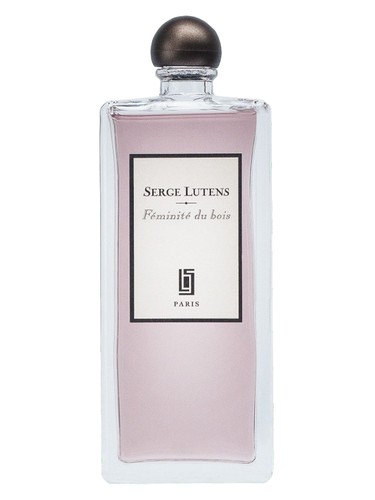
The listed similar fragrances paint a picture of where Five O''Clock Au Gingembre sits in the landscape. The references to Feminité du Bois and Arabie, both Lutens creations, place it firmly within the house''s spice-and-wood tradition. The comparison to Kenzo Jungle L''Elephant suggests shared warmth and complexity, while the Black Orchid reference hints at similar richness and intensity, if not precise olfactory overlap.
What distinguishes Five O''Clock Au Gingembre is its tea framework—where others in its category lead with florals, incense, or pure spice, this fragrance maintains its connection to that original cup of tea, even as it wanders far from conventional interpretations.
The Bottom Line
Five O''Clock Au Gingembre is a fragrance for the thoughtful wearer, someone who appreciates Serge Lutens'' ability to take a familiar concept and render it in unexpected dimensions. The 4.11 rating from a substantial voter base suggests reliable quality and appeal, even if it hasn''t achieved cult classic status.
This isn''t a safe fragrance, nor is it trying to be. The spice intensity, the slightly austere opening, the complexity of the base—these elements require a wearer willing to engage rather than simply spritz and go. For those who love warm spicy scents but find most too sweet or one-dimensional, Five O''Clock Au Gingembre offers sophisticated depth. It''s particularly recommended for fall and winter wardrobes that skew toward the intellectual and artistic rather than overtly romantic or seductive.
Should you try it? If you''re drawn to the Lutens aesthetic, appreciate tea fragrances with backbone, or want something warming that stands apart from mainstream offerings, absolutely. Just know that you''re entering into a conversation rather than making a statement—and sometimes, that''s exactly what makes a fragrance memorable.
AI-generated editorial review