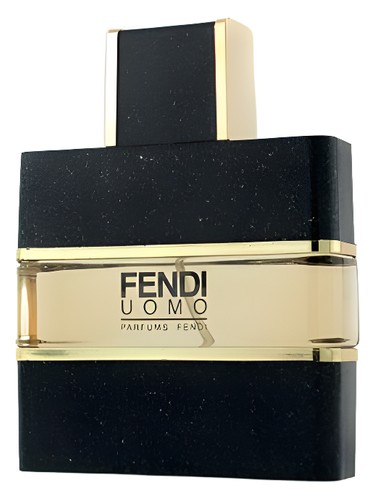
First Impressions
The first spray of Fendi Uomo transports you directly to 1988, when shoulder pads were sharp and fragrances pulled no punches. A bracing herbal assault of coriander and lavender strikes first, tempered by the bright citrus clarity of bergamot and lemon. There''s an immediate architectural quality here—this isn''t a fragrance that whispers or suggests. It announces. The marjoram and angelica add a medicinal, almost apothecary-like edge that feels deliberately sophisticated, the olfactory equivalent of a perfectly tailored double-breasted suit. This is aromatic at full volume, hitting that 100% accord rating without apology.
The Scent Profile
Fendi Uomo''s opening movement is a masterclass in aromatic construction. The coriander brings a spicy-citric brightness that dances with the softer, almost soapy lavender. Angelica, that curious green-bitter note, adds an unusual complexity that prevents this from sliding into conventional cologne territory. Bergamot and lemon provide the expected lift, but marjoram—earthy, warm, slightly medicinal—grounds everything with unexpected depth.
As the herbs begin to settle, the heart reveals itself as far more ornate than the opening suggests. Carnation arrives with its clove-like spiciness, amplified by actual cinnamon, creating a warm spicy accord that registers at 54%. This is where Fendi Uomo shows its complexity: against this spice backdrop, you''ll find cypress bringing woody-green freshness, iris adding its subtle powderiness (contributing to that 48% powdery accord), and a surprising floral trio of cyclamen, rose, and jasmine. These flowers never dominate—they''re woven into the aromatic-spicy tapestry rather than stealing the show, which explains why the floral accord hovers at a balanced 48%.
The base is where the true character emerges. Leather—that quintessentially masculine note of the era—arrives with substantial presence, accounting for the 53% leather accord. But this isn''t a stark, aggressive leather; it''s softened by vanilla and given an unexpected tropical twist with coconut (a fascinating choice for 1988). Patchouli, vetiver, and cedar provide the woody backbone that registers at 90%, while amber and musk add warmth and sensuality. This base is rich, complex, and built to last through boardroom battles and evening engagements alike.
Character & Occasion
The data tells a clear seasonal story: Fendi Uomo is a cold-weather warrior. With a 99% winter rating and 97% for fall, this fragrance demands substantial air between you and others—it needs room to breathe, and in summer heat, it would overwhelm. Spring gets a tentative 42%, suggesting those cooler early mornings might work, but summer''s 18% is essentially a polite "don''t."
The day-to-night split is equally revealing: 76% day versus 100% night. This is a fragrance that works throughout your day but truly comes alive when the sun sets. The aromatic opening makes it appropriate for professional settings, while that leather-amber-spice base has the sophistication and projection for evening wear. This is the scent of power lunches that transition seamlessly into cocktail hours.
Who is Fendi Uomo for? The man who appreciates that masculinity can be complex, layered, and unafraid of both flowers and leather. It''s for those who understand that "aromatic" doesn''t mean "simple," and who can carry a fragrance with substantial presence without letting it wear them.
Community Verdict
The available community data presents an interesting void—no specific opinions about Fendi Uomo emerged from the fragrance discussions surveyed, with conversations focusing instead on technical aspects of the hobby rather than this particular scent. This absence speaks to Fendi Uomo''s curious position: a critically respected fragrance (that 4.39/5 rating from 416 votes is genuinely impressive) that has somehow slipped beneath the radar of contemporary fragrance discourse. It''s neither widely dismissed nor actively celebrated in current conversations—it simply exists as a well-regarded artifact from another era.
The mixed sentiment score reflects this ambiguity: neither loved nor maligned, but occupying a middle ground that suggests respect without passion.
How It Compares
Fendi Uomo shares DNA with the heavyweight masculine aromatics of its era: Azzaro pour Homme''s lavender-anise brightness, Aramis''s leather-tobacco richness, and the green-spicy character of Gucci Envy for Men. The Chanel Antaeus comparison points to shared territory in the aromatic-leather space, while Guerlain''s Vetiver connection highlights the woody-green aspects.
What distinguishes Fendi Uomo is its particular balance—it''s more ornately floral than Azzaro, less overtly barbershop than Aramis, and more aromatic-forward than the animalic Antaeus. It occupies a specific niche: Italian luxury house interpretation of masculine aromatic leather, with just enough baroque complexity to remind you this is Fendi, not a generic designer masculine.
The Bottom Line
A 4.39 out of 5 rating from over 400 voters isn''t noise—it''s a signal. Fendi Uomo has maintained quiet respect for over three decades, appealing to those who seek it out rather than dominating the conversation. This is neither a hidden gem nor a dated relic, but rather a well-crafted fragrance from an era that valued projection and complexity over minimalist restraint.
Value is difficult to assess without current pricing data, but as a 1988 release, availability may be the larger question. For those who can find it, Fendi Uomo offers a direct connection to the aromatic leather traditions that modern masculines often reference but rarely fully commit to.
Should you try it? If you''re drawn to Azzaro, Aramis, or vintage Guerlain masculines, absolutely. If you prefer the transparent, aquatic, or minimalist aesthetics of contemporary masculines, this will feel like cultural anthropology rather than wearable fragrance. But for those who appreciate that masculinity once meant something more baroque, more layered, and decidedly more Italian, Fendi Uomo remains remarkably compelling.
AI-generated editorial review