First Impressions
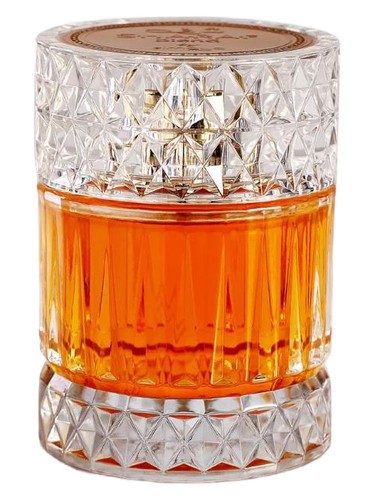
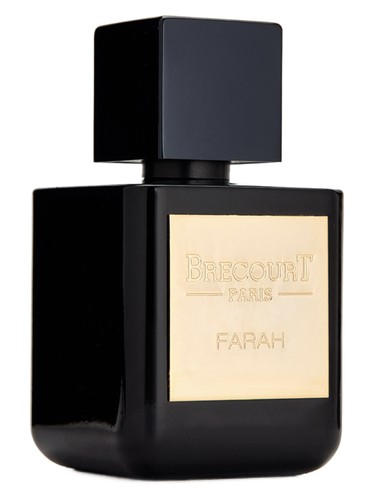
The first spray of Farah reveals something unexpected: a rush of cinnamon-dusted warmth that feels both ancient and utterly modern. There''s an immediate sweetness here, but it''s not the candied, synthetic sort that plagues so many contemporary releases. Instead, it''s the kind of sweetness that speaks of market stalls in Marrakech, of sticky dates still warm from the sun, of honey dripping from the comb. Styrax adds a balsamic richness from the opening moments, while bergamot provides just enough citric brightness to keep the composition from collapsing into heaviness. This is a fragrance that announces itself confidently—not loudly, but with the quiet authority of something truly precious.
The Scent Profile
Farah''s architecture reveals itself in layers, though perhaps not in the traditional pyramid structure you might expect. The opening triumvirate of cinnamon, styrax, and bergamot creates an intriguing contrast—the spice and resin meeting the brightness of citrus in a way that feels almost contradictory, yet completely harmonious. The cinnamon here isn''t the red-hot candy variety; it''s softer, more nuanced, almost dusty in its warmth.
As the fragrance settles into its heart, the composition reveals its true character. Dates emerge as the star—an unusual note in perfumery, and one that Brecourt handles with remarkable skill. The fruit provides a deep, caramel-like sweetness that''s simultaneously rich and dry. White honey weaves through this fruited core, adding viscosity and golden luminosity. Then comes the surprise: leather and Virginia cedar. These unexpected additions provide structure and depth, preventing the sweetness from becoming cloying. The leather isn''t harsh or animalic; rather, it''s supple and warm, like a well-worn saddle that''s been left in the sun. The cedar adds a woody backbone, grounding the confection in something more substantial.
The base is where Farah truly reveals its ambitions. Benzoin and tonka bean amplify the vanilla-amber sweetness that defines the fragrance''s character. French labdanum contributes its characteristic amber-resinous warmth, while patchouli—likely used with a light hand—adds earthiness without veering into headshop territory. Musk rounds everything out, providing skin-like intimacy and impressive longevity. This is a base that lingers for hours, morphing gradually from golden sweetness to something more resinous and contemplative.
Character & Occasion
The data tells a clear story: Farah is a cold-weather creature, thriving in winter and fall when its opulent sweetness feels comforting rather than overwhelming. The 100% winter rating and 96% fall rating aren''t surprising once you''ve experienced the fragrance—this is liquid cashmere, a scent that wants to wrap you in warmth when the temperature drops. Spring and summer wearers beware: those 24% and 18% ratings suggest this isn''t a fragrance that plays well with heat.
Interestingly, while Farah performs in daylight (59% day rating), it truly comes alive after dark (81% night rating). There''s something inherently sensual about this composition, something that feels more appropriate for intimate dinners than business meetings. That said, the sweetness never crosses into overtly sexy territory—it maintains a certain sophistication that could work in more formal settings, provided the weather cooperates.
This is a fragrance for those who appreciate bold sweetness but demand complexity alongside it. The dominant sweet accord (100%) might suggest simplicity, but the 97% amber rating, 82% warm spicy character, and distinctive honey and cinnamon notes create a multi-faceted experience. It''s for the person who wants to smell delicious without smelling edible, comforting without being boring.
Community Verdict
With a rating of 4.26 out of 5 from 1,018 votes, Farah has clearly resonated with those who''ve experienced it. This is a solid score that places it firmly in "very good" territory—not a masterpiece that everyone universally adores, but a well-executed fragrance with a devoted following. The number of votes suggests this isn''t just a niche curiosity; enough people have sought it out and formed opinions to establish Farah as a legitimate contender in the amber-oriental category.
The rating suggests competence and quality without revolution. Brecourt has created something that delivers on its promises, even if it might not rewrite the rules of perfumery.
How It Compares
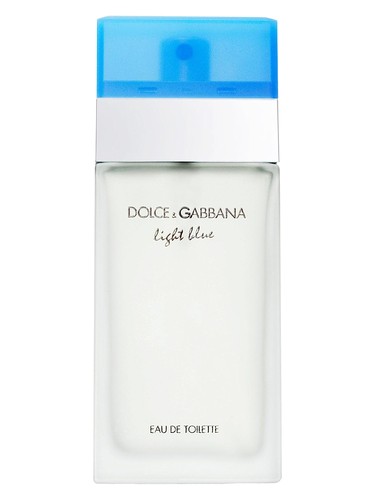
Farah finds itself in distinguished company. Its kinship with Hermès''s Ambre Narguile makes perfect sense—both explore the territory where amber meets unusual gourmand elements, though Hermès leans more toward hookah and smoke while Brecourt emphasizes dates and honey. The connection to By Kilian''s Back to Black speaks to the refined sweetness and quality of execution. Links to Chanel''s Coco and Mugler''s Angel are more tenuous but understandable—these are all fragrances that embrace bold sweetness with confidence.
Perhaps the closest relative is Serge Lutens''s Chergui, another fragrance that explores the intersection of honey, spice, and amber with a desert-inspired sensibility. Where Chergui leans more into tobacco and hay, Farah emphasizes the fruited sweetness of dates. Both occupy that rare space where gourmand meets sophisticated oriental.
The Bottom Line
Farah represents Brecourt''s skill at creating fragrances that feel both luxurious and wearable. The 4.26 rating from over a thousand voters suggests reliability—this is a fragrance that generally delivers what people hope for when they seek out an amber-sweet winter scent. It won''t revolutionize your fragrance collection, but it might become a cold-weather staple.
For those who find Angel too intense, Chergui too austere, or Ambre Narguile too elusive, Farah offers a compelling alternative. It''s sweet without being simplistic, rich without being heavy-handed, and unusual without being unwearable. If you''re drawn to honeyed amber fragrances with genuine character and you live somewhere with actual seasons, Farah deserves a place on your sampling list. Just save it for when the leaves start falling—this is decidedly not a summer romance.
AI-generated editorial review