First Impressions
The first spray of Enchanted Forest delivers exactly what its name promises, though not in the fairy-tale way you might expect. This is no Disney woodland—it''s something wilder, more tangible. The opening bursts with an intoxicating wave of blackcurrant leaf and blossom, their green-tart intensity amplified by an unexpected splash of red wine and rum. It''s as if someone crushed ripe berries against tree bark, added a pour of spirits, and called it perfume. The aldehydes lend a subtle sparkle to the composition, while pink pepper and rosemary provide an aromatic edge that keeps the fruitiness from veering into candy territory. Sweet orange and artemisia dance around the edges, contributing brightness and a slightly bitter herbal quality that grounds the exuberance. Within minutes, you''re transported—not to a manicured garden, but to the edge of a forest in late summer, where wild berries hang heavy and the air carries both sweetness and the promise of darker, earthier things to come.
The Scent Profile
The evolution of Enchanted Forest is a masterclass in balancing fruit with forest. While the top notes announce themselves boldly—that blackcurrant dominance isn''t subtle—the heart reveals greater complexity. The blackcurrant continues its starring role but now mingles with an unexpected cast: earthy vetiver, warm coriander, and delicate honeysuckle create a fascinating tension between the fruity and the green. Rose and carnation add a spicy-floral dimension that feels more sophisticated than overtly feminine, lending the composition a vintage quality without feeling dated.
It''s in the base that Enchanted Forest truly earns its name. Balsam fir emerges like a revelation, bringing genuine coniferous resin to anchor the fruit-forward opening. Cedar and oakmoss contribute their woody, slightly austere character, while patchouli adds depth and a touch of earthiness that feels essential rather than decorative. The supporting players—opoponax, Siam benzoin, vanilla, amber, and musk—create a warm, slightly sweet foundation that prevents the woods from becoming too stark or masculine. This base is where you understand the perfumer''s vision: the forest floor after rain, where fallen fruit ferments alongside pine needles and moss, everything softened by the vanilla-amber glow of dappled sunlight.
The main accord breakdown tells the story clearly: fruity at 100%, but woody close behind at 88%, with aromatic elements at 83% ensuring this never reads as a simple fruit salad. The fresh and soft spicy accords add dimension, while the green accord at 52% serves as the crucial bridge between berry patch and woodland.
Character & Occasion
With strong seasonal scores for fall (87%), spring (82%), and winter (78%), Enchanted Forest proves remarkably versatile across cooler months. It''s the rare fruity fragrance that doesn''t wilt in autumn''s crispness—instead, it thrives there, its berry notes echoing the season''s harvest abundance while its woody base mirrors bare branches and forest walks. Spring wearing makes equal sense; there''s something about the green and aromatic qualities that captures that transitional season when nature awakens but hasn''t yet reached full bloom.
The day/night data is revealing: 100% day-appropriate but still 70% suitable for evening wear. This speaks to Enchanted Forest''s essential character—it''s bright and approachable enough for daytime, never heavy or cloying, yet has sufficient depth and sophistication for after-dark occasions. It''s not a boardroom fragrance, nor is it a nightclub scent. Rather, it''s for the outdoor lunch that stretches into dinner, the gallery opening, the weekend escape to wine country.
Marketed as feminine, but the woody and aromatic elements give it enough complexity that confident wearers of any gender could pull it off. This is for someone who wants their fruitiness grounded, their sweetness tempered with soil and bark.
Community Verdict
With 2,924 votes landing at a solid 4.14 out of 5, Enchanted Forest has earned genuine affection from a substantial community. This isn''t a niche curiosity with twelve devoted fans—nearly three thousand people have weighed in, and the consensus is clear: this is a winner. That rating suggests a fragrance that delivers on its promise, offers good performance, and creates an emotional connection. It''s high enough to indicate quality and satisfaction, while the fact it''s not approaching perfect scores suggests honesty in the voting—people are recognizing both strengths and perhaps some limitations.
How It Compares
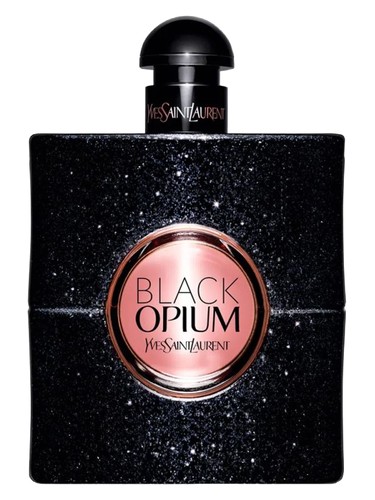
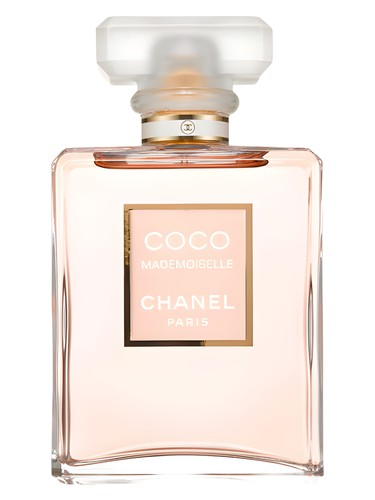
The comparison set places Enchanted Forest in fascinating company. Serge Lutens'' Fille en Aiguilles shares the pine-forest DNA, though Lutens'' creation skews more austere and resinous. Tauer''s L''Air du Desert Marocain brings similar aromatic intensity but trades forest for desert. Encre Noire by Lalique represents the darker, more masculine woody-vetiver end of the spectrum, while Byredo''s Bal d''Afrique and Hermès'' Un Jardin Sur Le Nil show the fresher, greener possibilities within this aromatic-woody-fruity space.
What sets The Vagabond Prince apart is that audacious blackcurrant commitment—the willingness to lead with fruit while maintaining woody credibility. It occupies a sweet spot between accessibility and sophistication.
The Bottom Line
Enchanted Forest succeeds because it takes a risk and makes it work. Combining dominant fruit accords with serious woody construction could easily result in confusion or compromise, but The Vagabond Prince has created something cohesive and compelling. The 4.14 rating from nearly 3,000 voters isn''t just good—it''s a meaningful endorsement from a broad audience.
This fragrance deserves attention from anyone who''s ever wished their fruity perfumes had more backbone, or their woody scents had more personality. It''s for those who find straight gourmands too sweet but green chypres too austere. At its heart, Enchanted Forest is about balance: between light and shadow, fruit and forest, approachability and depth. Whether it''s worth adding to your collection depends on whether that particular balance speaks to you—but given the community response, it''s certainly worth exploring.
AI-generated editorial review