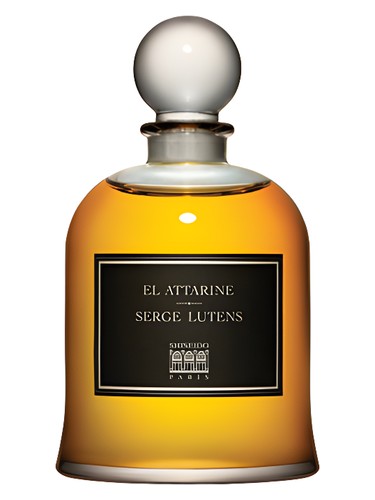
First Impressions
El Attarine opens like stepping through a beaded curtain into a sun-drenched Moroccan apothecary. The first spray delivers an immediate rush of golden honey—not the thin, commercial kind, but thick, amber-hued sweetness with depth and complexity. This isn''t a dessert; it''s a journey. Within seconds, fresh spices begin to weave through that honeyed foundation, bringing a brightness that keeps the sweetness from becoming cloying. There''s an herbal quality that emerges almost simultaneously, like crushed leaves and aromatic stems mingling with precious resins. This is Serge Lutens at his most transportive, creating a scent that feels both ancient and timeless from the very first moment.
The Scent Profile
While the specific note breakdown remains mysteriously unspecified—a fitting choice for a perfume named after the historic perfumers'' quarter in Fez—El Attarine reveals its architecture through its dominant accords. The composition is led by an intensely sweet accord that registers at full strength, but this isn''t simple sugar. It''s a sophisticated sweetness built on a foundation of honey that comprises 81% of the fragrance''s character. This honey note carries the warmth of beeswax and propolis, grounding the composition in something almost primal.
The fresh spicy accord at 80% creates a fascinating counterpoint, bringing brightness and lift to what could otherwise become heavy. These aren''t sharp, aggressive spices but rather the aromatic complexity you''d find in a well-stocked spice merchant''s stall—think cumin''s earthiness, coriander''s citric quality, perhaps cardamom''s cooling sweetness. The herbal accord at 77% adds another layer of sophistication, introducing green, slightly bitter elements that cut through the richness like mint tea served after a feast.
As the fragrance settles, a woody backbone emerges at 66%, providing structure and depth. This isn''t about prominent cedar or sandalwood showpieces; rather, it''s a diffuse woodiness that gives the sweeter elements something to cling to. Finally, warm spices at 51% add a subtle heat—the difference between fresh and dried spices, between market stall and kitchen, adding an intimate, skin-warmed quality to the composition''s evolution.
Character & Occasion
El Attarine is overwhelmingly an autumn fragrance, with 96% of wearers identifying fall as its ideal season. This makes perfect sense—the honeyed sweetness and spicy warmth mirror the transition from summer''s brightness into cooler, contemplative months. It''s the olfactory equivalent of golden leaves and harvest markets. Winter follows at 52%, where its warmth provides comfort against the cold, while summer and spring lag behind at 50% and 45% respectively. In warmer weather, you''d need a lighter hand, as the sweetness could become overwhelming in heat.
This is distinctly a daytime fragrance, rating 100% for day wear versus just 40% for night. There''s something about its character—perhaps the fresh spices and herbal qualities—that feels appropriate for daylight hours. It''s contemplative rather than seductive, intellectual rather than purely sensual. This is a scent for wandering autumn markets, for afternoon tea ceremonies, for creative work in a sunlit studio. It was created as a feminine fragrance, but its spicy, woody qualities and honey-focused sweetness transcend traditional gender boundaries.
Community Verdict
With a rating of 4.09 out of 5 from 373 votes, El Attarine has achieved something remarkable: it''s maintained strong appreciation over fifteen years since its 2008 release. This isn''t a blockbuster with thousands of reviews, but rather a beloved cult classic with a devoted following. That rating places it firmly in "excellent" territory—high enough to indicate genuine quality and artistry, while the vote count suggests it remains somewhat under the radar compared to mainstream releases. This is the kind of fragrance that creates passionate advocates rather than casual wearers. You either understand what Serge Lutens was attempting here, or you don''t—and those who do, truly appreciate it.
How It Compares
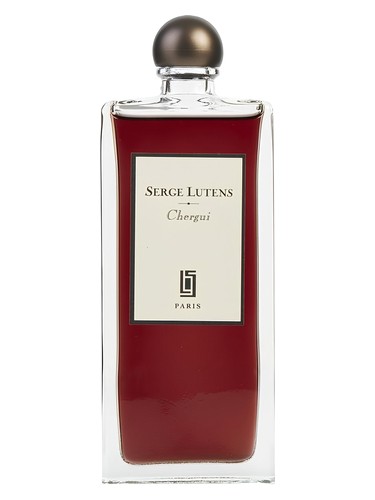
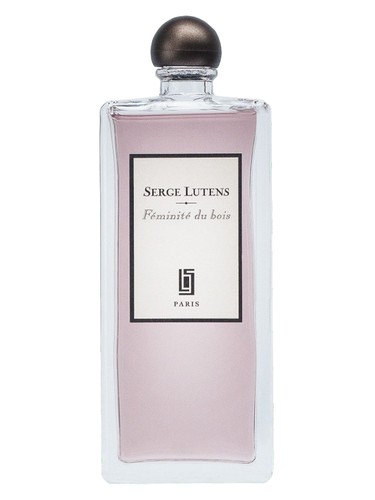
El Attarine sits comfortably within the Serge Lutens pantheon of amber Orientals and spice-forward compositions. It shares DNA with Fumerie Turque, Chergui, and Arabie—all exploring different facets of the brand''s fascination with North African and Middle Eastern inspirations. Where Fumerie Turque emphasizes tobacco and honey, and Chergui leans into hay and iris, El Attarine distinguishes itself through its pronounced herbal quality and fresh spice brightness. Compared to Jeux de Peau''s toasted bread notes or Feminité du Bois'' cedar focus, El Attarine feels more explicitly market-inspired, more directly connected to the physical place it references. It''s less abstract than some of its siblings, more grounded in the sensory reality of a specific locale.
The Bottom Line
El Attarine succeeds as both an artistic statement and a wearable fragrance—a balance that Serge Lutens doesn''t always strike. Its 4.09 rating reflects genuine quality, and while it may not have the name recognition of the brand''s flagship releases, that relative obscurity is part of its appeal. This is a fragrance for those who appreciate complexity, who want their perfumes to tell stories rather than simply smell pleasant. The sweet-spicy-herbal combination won''t work for everyone; those seeking clean, modern, or minimalist scents should look elsewhere.
Best suited for autumn days when you want to feel transported, El Attarine rewards patient wearing and contemplation. It''s not loud, but it''s distinctive. If you''re drawn to honey notes that aren''t purely gourmand, if you appreciate the Serge Lutens aesthetic of layered complexity, or if you''re building a collection of fragrances that capture specific moods and places, El Attarine deserves your attention. Sample before committing—this is perfume as art, and art demands a personal response.
AI-generated editorial review