First Impressions
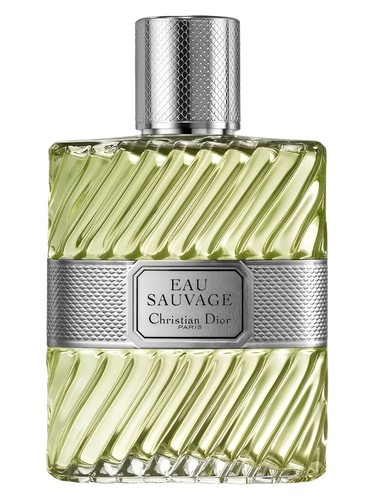
The first spray of Eau Sauvage is like stepping into a sunlit Mediterranean garden after morning rain—bright, sharp, impossibly clean. There''s an immediate rush of lemon and bergamot that feels both familiar and extraordinary, the kind of opening that made this fragrance a revolution when it launched in 1966. But what sets it apart from countless citrus fragrances that followed is the herbal complexity lurking beneath: basil and rosemary weave through the citrus like green threads through gold cloth, while an unexpected whisper of caraway adds a sophisticated edge that keeps the opening from veering into simple cologne territory.
This is the fragrance that introduced the world to hedione—that translucent jasmine molecule that would become a signature of modern perfumery—and you can feel its presence even in these opening moments, creating an airy, almost shimmering quality that makes the scent feel three-dimensional. It''s immediately apparent why Eau Sauvage has maintained a 4.22 out of 5 rating across more than 6,000 votes: this is a fragrance that understands restraint as a form of power.
The Scent Profile
As the initial citrus burst begins to settle, Eau Sauvage reveals its aromatic heart—and here''s where the composition truly earns its classic status. Jasmine and hedione take center stage, creating that distinctive transparent floral quality that feels masculine rather than pretty. Coriander adds a subtle spiciness, while lavender and rose contribute to the old-school barbershop character that the community celebrates. There''s carnation too, lending a clove-like warmth, and orris root providing a powdery elegance that whispers rather than shouts.
The woody elements—patchouli and sandalwood—begin their slow ascent during this phase, grounding the florals without overwhelming them. This middle stage is where different concentrations diverge most notably. The parfum formulation apparently lets these heart notes bloom with greater persistence, while the EDT reportedly dances through them more quickly, for better or worse depending on your preference.
The base is where Eau Sauvage reveals its vintage DNA most clearly. Oakmoss—that endangered ingredient that defined the great chypres and fougères of the 20th century—provides an earthy, forest-floor foundation that modern reformulations struggle to replicate. Vetiver adds its characteristic grassy, slightly smoky quality, while musk and amber round out the composition with warmth and subtle animalic depth. The dominant accord breakdown tells the story clearly: 100% aromatic, 89% citrus, 71% fresh spicy, with woody and earthy elements providing substance beneath the brightness.
Character & Occasion
The data doesn''t lie: Eau Sauvage is a summer fragrance first and foremost (100%), with spring a close second (91%). This is the scent of warm weather, open shirt collars, and confidence that doesn''t need to announce itself. Fall (41%) and winter (19%) wearability drop off dramatically—this isn''t a fragrance that thrives in cold weather or heavy clothing.
The day/night split is even more pronounced: 100% day, just 28% night. Eau Sauvage is unapologetically a daytime fragrance, perfectly suited to office settings, business casual environments, and any situation where you want to smell impeccable without dominating the room. This is not a date night powerhouse or a club scent. It''s the olfactory equivalent of a perfectly tailored linen suit—appropriate for serious occasions while maintaining an air of effortless ease.
The masculine designation reflects both its heritage and its character: this is classic masculinity rendered in citrus and herbs rather than leather and tobacco. It''s for those who appreciate that strength can be quiet, that elegance doesn''t require volume.
Community Verdict
The Reddit fragrance community''s positive sentiment (7.8 out of 10) comes with nuanced opinions based on extensive experience with different formulations. The Parfum concentration receives the highest praise for delivering genuine longevity and sophisticated development—addressing the most common complaint about the EDT, which reportedly suffers from weak performance and disappointing staying power.
The community identifies its timeless appeal and broad versatility as primary strengths, noting that it stands out precisely because of its "old-school barbershop/aromatic character" rather than despite it. However, the Extreme version generates division, with some finding it too powdery and floral, straying too far from the original''s balanced restraint.
There''s an undercurrent of concern about discontinuation and reformulation rumors circulating for 2025—the kind of anxiety that only surrounds fragrances with devoted followings. The dated aesthetic that some find off-putting is exactly what others treasure: this isn''t a fragrance chasing trends, and that''s precisely the point.
How It Compares
Eau Sauvage sits in distinguished company among the similar fragrances listed: Guerlain''s Vetiver, Terre d''Hermès, L''Eau d''Issey Pour Homme, Bleu de Chanel, and Egoiste Platinum. What''s notable is that most of these came after—Eau Sauvage was the template, the proof of concept that aromatic citrus could be sophisticated and enduring rather than fleeting and casual.
Where Terre d''Hermès goes mineral and modern, and Bleu de Chanel opts for contemporary woody freshness, Eau Sauvage remains rooted in its 1966 origins—unapologetically classical, unafraid of its vintage character. It''s less versatile than some of its descendants but more distinctive because of it.
The Bottom Line
Eau Sauvage deserves its 4.22 rating and its legendary status, but with significant caveats about formulation. If you''re drawn to this classic, invest in the Parfum concentration—the EDT''s performance issues are too consistently reported to ignore. Yes, you''ll pay more, but you''ll actually experience what makes this fragrance worth wearing nearly sixty years after its debut.
This isn''t a fragrance for everyone. If you prefer gourmands, heavy woods, or attention-grabbing projection, look elsewhere. But if you appreciate the idea that a fragrance can be a refined accent rather than a statement, if you want something for warm-weather days that feels both classic and genuinely unique in today''s market, Eau Sauvage remains remarkably relevant.
The discontinuation rumors add urgency, but don''t let scarcity alone drive your decision. Try it because you appreciate what it represents: a moment when masculine fragrance chose elegance over machismo, transparency over opacity, and created something that still feels modern precisely because it never tried to be anything other than itself.
AI-generated editorial review