First Impressions
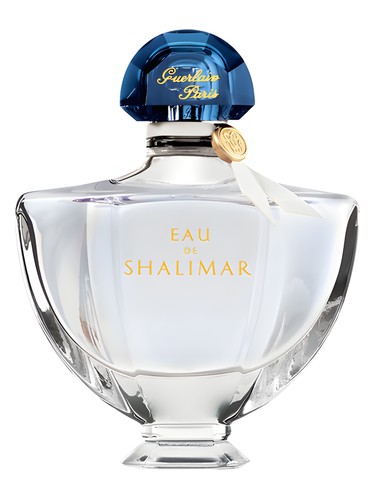
The first spray of Eau de Shalimar feels like throwing open the shutters in Guerlain''s storied perfume atelier—light floods in where shadows once reigned. This is Shalimar stripped of its evening gown, dressed instead in a crisp linen shirt and caught mid-laugh. Where the original 1925 masterpiece announces itself with incense and vanilla shadows, this 2008 reinterpretation leads with a citrus burst so pronounced it dominates the entire composition at 100% of its character. It''s an audacious move, taking one of perfumery''s most revered orientals and turning it inside out, revealing the bright lining that was always hidden beneath those opulent base notes.
The Scent Profile
Eau de Shalimar opens with an exuberant trio of lime, bergamot, and orange that doesn''t merely introduce the fragrance—it defines it. This isn''t a polite citrus overture that quickly gives way to deeper themes. Instead, the brightness persists, creating a luminous framework that shapes everything that follows. The lime brings zesty sharpness, the bergamot adds its characteristic Earl Grey refinement, and the orange rounds out the ensemble with juicy sweetness.
As the citrus begins its slow fade, jasmine and rose emerge at the heart, but they''ve been reimagined here. These aren''t the heavy, indolic florals you might expect from a Shalimar flanker. They''re sheer, almost translucent, allowing that dominant citrus character to continue shining through. The jasmine whispers rather than proclaims, while the rose adds a subtle, powdery softness that begins to hint at the fragrance''s connection to its legendary predecessor.
The most intriguing aspect of Eau de Shalimar''s structure is what''s missing—the base notes remain notably undefined in the official composition. Yet the fragrance doesn''t feel incomplete. Instead, vanilla emerges at 47% of the overall accord profile, with powdery notes at 36%, amber at 33%, and iris at 30%. These elements create a soft, almost gauzy finish that keeps the scent tethered to its heritage without weighing it down. There''s a fresh spicy quality at 29% that adds subtle intrigue, preventing the composition from becoming too sweet or one-dimensional.
Character & Occasion
The data tells a fascinating story about Eau de Shalimar''s versatility. With a perfect 100% rating for daytime wear versus 42% for evening, this is unequivocally a fragrance that thrives in natural light. It''s the rare oriental flanker that won''t feel out of place at a morning meeting or weekend brunch.
Seasonally, it shows remarkable adaptability: spring claims it at 77%, making it ideal for that transitional weather when you want something uplifting without the weightlessness of pure cologne. Fall follows at 65%—those powdery vanilla undertones and amber whispers provide just enough warmth when leaves start turning. Summer registers at 63%, which makes perfect sense given that dominant citrus character, though in truly hot weather you might find yourself wishing for something even lighter. Winter, at 41%, is where it feels least at home, though layering could extend its cold-weather viability.
This is a fragrance for someone who appreciates the Shalimar legacy but can''t quite commit to its evening opulence in daily life. It suits the woman who wants a recognizable signature without making a dramatic entrance, who values wearability over projection, accessibility over mystique.
Community Verdict
Here''s where things get murky. The broader rating of 4.28 out of 5 stars from 2,097 votes suggests solid appreciation from the perfume community at large. However, the specific Reddit discussion data reveals an interesting gap—there''s actually no substantive community commentary available from that particular forum. The sentiment score of 5 out of 10 indicates mixed feelings, though without specific pros, cons, or detailed opinions to draw from, we''re left reading between the lines.
This absence of passionate discourse might itself be telling. Eau de Shalimar may occupy that middle ground where a fragrance is pleasant, well-executed, and perfectly serviceable without inspiring the kind of fervent discussion that more polarizing scents generate. Based on the limited sample of six opinions, it appears to be a fragrance that does what it promises without necessarily exceeding expectations or disappointing them.
How It Compares
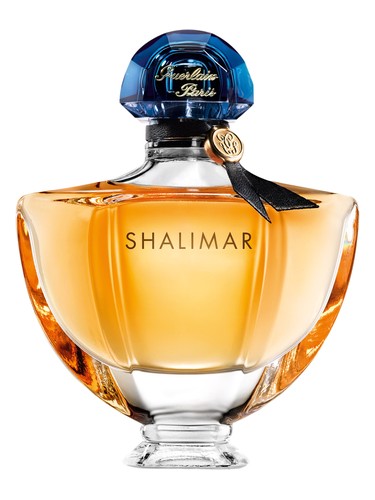
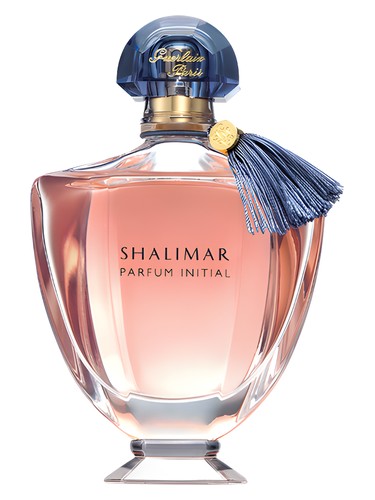
Eau de Shalimar sits within a constellation of Guerlain''s attempts to modernize its iconic oriental. It shares DNA with Shalimar Parfum Initial L''Eau and Shalimar Parfum Initial—both lighter interpretations of the original. The comparison to Chanel''s Coco Mademoiselle is particularly illuminating, as both fragrances represent accessible, daytime-friendly takes on more powerful predecessors, leading with citrus before settling into softer, more wearable orientals.
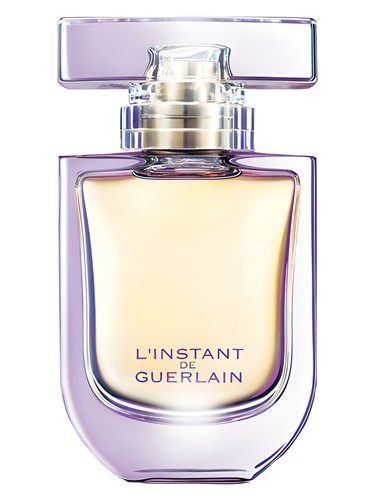
Where the original Shalimar Eau de Parfum remains unapologetically bold, and L''Instant de Guerlain explores different facets of the house style entirely, Eau de Shalimar occupies the friendliest position on the spectrum—the gateway, perhaps, for those intimidated by vintage orientals.
The Bottom Line
Eau de Shalimar is a study in calculated restraint. It takes one of the most iconic perfumes ever created and asks: what if we made this easy? The answer is this citrus-forward, compulsively wearable fragrance that sacrifices gravitas for versatility and mystery for approachability.
That 4.28 rating reflects a well-made fragrance that delivers on its promise, even if that promise is somewhat modest compared to its namesake. This isn''t the Shalimar for seduction or special occasions—it''s the Shalimar for every day, for errands and offices, for when you want to smell good without thinking too hard about it.
Should you try it? If you''ve always been curious about Shalimar but found the original too heavy, too vintage, or too evening-specific, this is your entry point. If you''re seeking a reliable citrus scent with just enough depth to feel grown-up, it delivers. But if you want a fragrance that challenges, transforms, or transports you—look elsewhere in the Guerlain lineup. Sometimes the brightest interpretation isn''t necessarily the most illuminating.
AI-generated editorial review