First Impressions
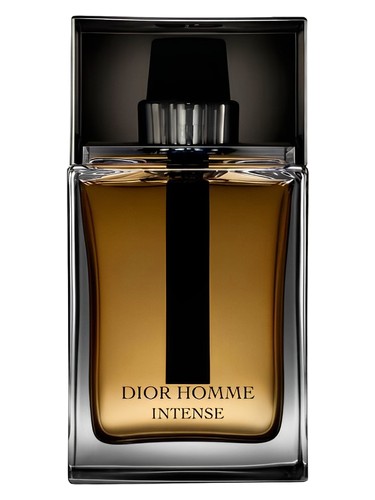
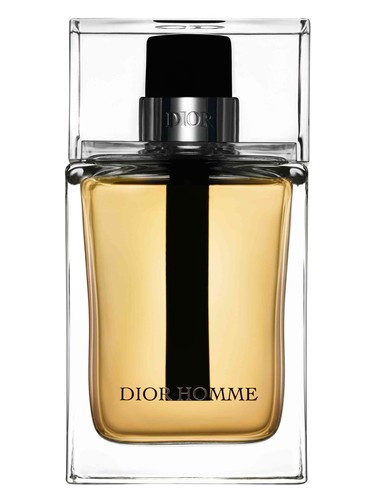
The first spray of Dior Homme delivers a paradox in liquid form: refinement meeting restraint, elegance touching earth. Lavender and bergamot open with a clean, aromatic brightness that feels distinctly French in its composure, while sage adds an herbal gravity that hints at the complexity waiting beneath. But within minutes, the fragrance reveals its true nature—a velvety iris note emerges, dusted with cacao, creating an effect that''s simultaneously sophisticated and surprisingly approachable. This isn''t the aggressive, lipstick-forward iris of decades past; it''s tempered, textured, and wrapped in a warmth that reads more comforting than challenging.
With 6,709 votes landing at an impressive 4.42 out of 5 stars, the numbers suggest near-universal acclaim. Yet dig deeper into the community conversation, and you''ll find something more complicated: a fragrance whose reputation has become inseparable from its lineage, its reformulations, and the ghosts of bottles past.
The Scent Profile
The iris dominates here—registering at 100% on the accord scale—but it''s the supporting cast that transforms this from a soliflore study into something three-dimensional. That opening lavender-bergamot-sage trio quickly gives way to the heart, where iris meets cacao in what should be an unusual pairing but somehow feels inevitable. The cacao accord (68%) doesn''t read as sweetness; instead, it adds a roasted, slightly bitter depth that amplifies the powdery nature of the iris rather than competing with it.
As the fragrance settles into its base, leather, vetiver, and patchouli create an earthy, woody foundation (63% earthy, 51% woody) that grounds all that upper-register elegance. The powdery accord (67%) never quite disappears, lingering like a memory throughout the wear. This is where Dior Homme distinguishes itself from purely fresh or purely gourmand territory—it occupies a middle ground that feels decidedly masculine without resorting to typical sports-fresh or heavy-oud tropes.
The leather here isn''t the cracked saddle variety; it''s subtle, almost subliminal, providing texture rather than making bold statements. Vetiver and patchouli work in tandem to create an impression of something rooted, substantive, mature. The overall effect is aromatic (56%) but never sharp, woody but never harsh, powdery but never grandmotherly.
Character & Occasion
This is definitively cool-weather territory. The data speaks clearly: fall registers at 100%, winter at 90%, making Dior Homme a fragrance that reaches its full potential when temperatures drop. Spring suitability sits at 74%, while summer languishes at 27%—and for good reason. That iris-cacao-amber combination creates a warmth and density that would feel stifling in heat but becomes enveloping in cold.
The day-night split reveals versatility: 81% day appropriate, 90% night suitable. This speaks to the fragrance''s restrained sophistication—it''s office-appropriate without being boring, date-night suitable without being overtly seductive. Community feedback identifies it as ideal for casual daily wear, evening comfort, and specifically for those seeking warmth without excessive sweetness.
Who should reach for this? The community suggests it''s best for those wanting an approachable introduction to iris-forward fragrances, anyone building a cold-weather rotation, or those seeking something with enough presence to make an impression without announcing your arrival from three rooms away.
Community Verdict
Here''s where things get complicated. The sentiment score sits at just 5.5 out of 10—decidedly mixed—which stands in stark contrast to that 4.42-star rating. How to reconcile this? The answer lies in timing and context.
The community praises the warm, comforting, cozy ambery-woody character. They appreciate the restrained iris compared to earlier formulations, the dark texture without excessive sweetness, and solid longevity for daily wear. These are substantive compliments from people actually wearing the fragrance.
But the criticisms cut deeper, rooted in something more emotional than olfactory. The overwhelming complaint centers on this version replacing the beloved 2014 original—characterized as "a cash grab." Detractors describe it as basic, generic, mall-scent adjacent, with a cheap synthetic drydown lacking the bold character of its predecessor.
The most telling observation from the community: "The fragrance''s reception would likely be significantly more positive if released under a different name." This isn''t really about what''s in the bottle—it''s about what used to be in the bottle, and what that represented. Dior Homme has become a lightning rod for broader conversations about reformulations, corporate decisions, and whether modern fragrances can ever escape the long shadows cast by their legendary ancestors.
How It Compares
Dior Homme sits within a constellation of modern masculines that prioritize sophistication over aggression. The listed similarities tell a story: Dior Homme Intense 2011 and Dior Homme Parfum offer variations on this same iris-cacao theme with different intensities. Fahrenheit represents Dior''s other masculine pillar—more gasoline than lipstick. La Nuit de l''Homme by Yves Saint Laurent shares that smooth, slightly sweet, evening-appropriate warmth, while Terre d''Hermès offers a more citrus-vetiver alternative for those wanting earthiness without the powder.
Within the iris-forward category, Dior Homme remains a reference point—perhaps no longer the revolutionary it once was, but still a benchmark against which others are measured.
The Bottom Line
Dior Homme exists in a strange liminal space: objectively well-crafted, broadly appealing, and commercially successful, yet carrying the burden of being "not what it used to be." For someone approaching it fresh, without the baggage of nostalgia for discontinued formulations, this is an excellent cool-weather daily wear—sophisticated enough to feel special, wearable enough to not overthink.
That 4.42 rating from nearly 7,000 votes suggests most people who actually wear it enjoy it. The mixed community sentiment reveals that fragrance appreciation is never purely about molecules and accords—it''s about expectations, memories, and what a bottle represents beyond its juice.
Should you try it? Absolutely, particularly if you''re curious about iris-forward masculines or need a reliable fall-winter option. Just perhaps avoid the comment sections afterward.
AI-generated editorial review