First Impressions
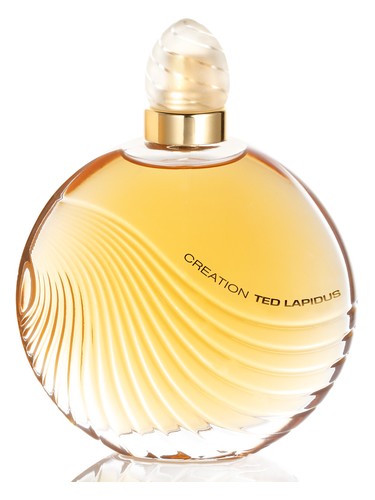
The first spray of Ted Lapidus Creation is a declaration, not a whisper. Honey''s golden viscosity meets the tart snap of blackcurrant, while orris root lends a powdery, almost grey-violet sophistication that feels decidedly old-school. Neroli flickers briefly—a citrus ghost in this otherwise grounded opening—before the composition reveals its true nature. This is earth speaking: dark, mineral-rich, unapologetically dense. Within moments, you understand that Creation isn''t interested in the airy, translucent florals that dominated the early 2010s. It''s channeling something older, something that remembers when perfume was meant to announce your presence across a room.
The Scent Profile
Creation''s architecture reveals itself in distinct chapters, each more luxurious than expected from a 2011 launch that might have flown under many radars.
The opening quartet of honey, cassis, neroli, and orris creates an unusual tension. The honey brings a waxy, almost beeswax-like quality rather than syrupy sweetness, while cassis adds a dark berry sharpness that keeps the composition from tipping into cloying territory. Orris, often used as a supporting player, takes center stage here with its earthy, slightly dusty elegance. It''s the kind of opening that makes you check the bottle twice—this complexity feels calculated, intentional.
The heart is where Creation truly earns its name, blossoming into a full white floral symphony with vintage sensibilities. Tuberose and jasmine provide the narcotic punch, but it''s the carnation that steals the show. Carnation, that forgotten darling of perfumery''s golden age, brings a spicy, clove-like warmth that modern compositions often skip entirely. Rose rounds out the bouquet, adding depth rather than dominating. This isn''t a soliflore showcase—it''s a true floral arrangement where each bloom serves the greater composition. The white floral accord registers at 82%, but it never feels shrill or headache-inducing. The earthy foundation keeps it anchored.
The base is where Creation''s true personality emerges, and where its dominant accord—earthy at 100%—makes perfect sense. Moss and patchouli form a verdant, slightly damp foundation that recalls forest floors after rain. This isn''t the fractionated, cleaned-up patchouli of contemporary fragrances; there''s a genuine chthonic quality here. Amber adds warmth without excessive sweetness, while musk provides soft persistence. The mossy accord, registering at 86%, works in tandem with that earthy dominant to create something that feels genuinely rare in modern feminine perfumery: rootedness, gravitas, weight.
Character & Occasion
Creation defies the tyranny of seasonal categorization. Rated for all seasons, it possesses a chameleonic quality—the honey and florals bloom beautifully in warmth, while the moss and patchouli feel perfectly suited to cooler weather''s contemplative mood. This versatility speaks to the composition''s balance; nothing overwhelms, nothing recedes entirely.
The absence of day/night preferences in the community data tells its own story. This is a fragrance that transcends such binary thinking. It works for the woman who wears what she wants, when she wants. That said, the earthy intensity and vintage floral opulence suggest someone confident enough to wear a statement scent to a gallery opening, a literary event, or an evening where conversation matters more than trends.
This isn''t a safe choice for someone seeking mass appeal or boardroom discretion. The woody accord at 73% and warm spicy notes at 69% add complexity that rewards close attention. Creation asks to be noticed, discussed, remembered.
Community Verdict
With 587 votes tallying to a 3.83 out of 5 rating, Creation sits in interesting territory. This isn''t a polarizing 2.5 or a universally beloved 4.5—it''s a solid, respectable score that suggests a fragrance with genuine fans who appreciate its particular vision. The vote count indicates more than passing curiosity; nearly six hundred people took time to evaluate and rate this scent. For a 2011 release from Ted Lapidus that didn''t receive blockbuster marketing, that''s noteworthy engagement.
The rating suggests a fragrance that rewards those who seek it out, rather than one that immediately pleases everyone who samples it. This is often the mark of something with genuine character.
How It Compares
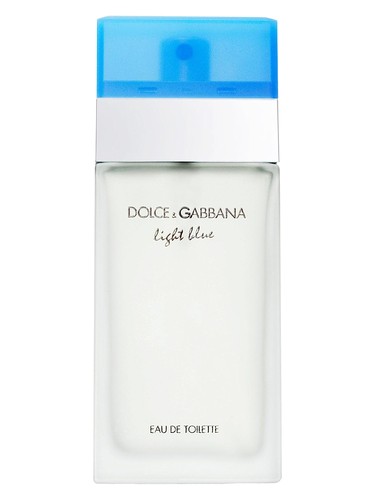
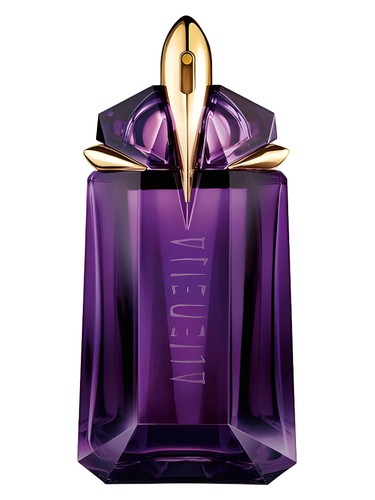
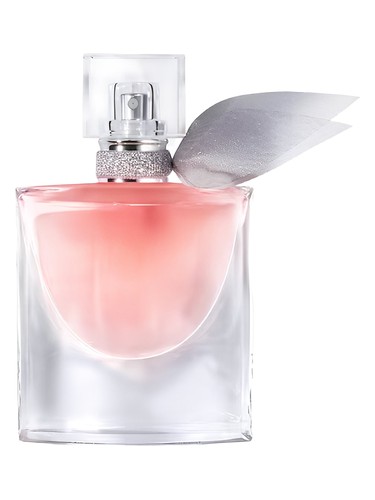
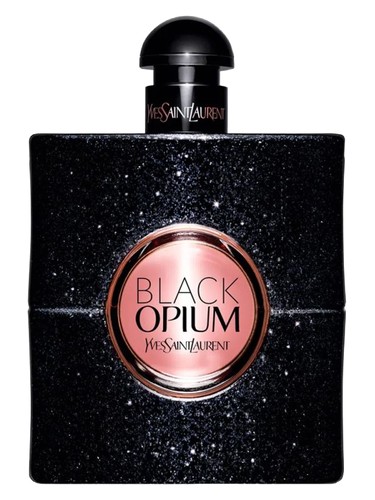
The similarity profile reads like a who''s who of powerful, earthy vintage feminines: Knowing by Estée Lauder, Aromatics Elixir by Clinique, Paloma Picasso, Diva by Emanuel Ungaro, and First by Van Cleef & Arpels. These are not timid fragrances. They''re the olfactory equivalent of power dressing, of women who shaped industries and refused to soften their edges.
What distinguishes Creation in this formidable company is its 2011 launch date. While its companions emerged in perfumery''s bolder decades, Creation represents something almost radical: a conscious choice to swim against the tide of fruity florals and sweet gourmands that dominated its era. It''s simultaneously a homage and a statement—proof that the earthy, mossy floral never truly disappeared; it simply waited for those brave enough to seek it out.
The Bottom Line
Ted Lapidus Creation deserves its 3.83 rating precisely because it isn''t trying to please everyone. This is a fragrance with a specific point of view: earthy, substantial, complex, and unashamedly vintage in spirit. For those who mourn the loss of oakmoss-heavy compositions or wish modern white florals had more backbone, Creation offers a compelling alternative.
The value proposition is strong—Ted Lapidus rarely commands niche pricing, making this an accessible entry point into the style of perfumery that Knowing and Aromatics Elixir established. Who should reach for this? The woman who considers fragrance an art form rather than an accessory. The collector seeking gaps in the earthy-mossy category. Anyone who finds themselves nodding along to descriptions of vintage Guerlains and Carons but wants something without the vintage price tag.
Creation isn''t perfect—some may find it dense or too grounded—but it''s undeniably itself. In an industry increasingly driven by focus groups and safe bets, that authenticity is worth celebrating.
AI-generated editorial review