First Impressions
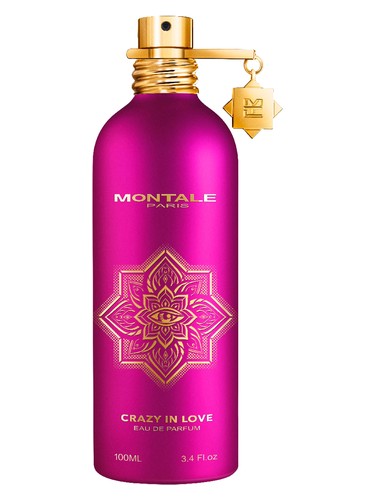
The first spray of Crazy In Love is a study in contradictions. Wild rose blooms alongside violet leaves in an opening that feels both fresh and oddly industrial—that 44% metallic accord isn''t background noise, but a defining characteristic that gives the rose an almost steely quality. It''s as if someone placed a bouquet of just-cut roses on a copper table, the floral sweetness meeting something cooler, sharper. This isn''t your grandmother''s rose perfume, nor is it trying to be. Within minutes, the saffron begins its work, adding a warm, leathery spice that signals where this fragrance is truly headed.
The Scent Profile
Montale structures Crazy In Love as a rose fragrance first—it dominates at 100% of the accord profile—but renders it through an unconventional lens. The wild rose and violet leaves create an opening that feels simultaneously botanical and metallic, as though the petals themselves were dusted with something mineral. The violet leaves add a green, slightly bitter edge that prevents the rose from reading as purely romantic.
As the fragrance settles into its heart, the composition reveals its true personality. Saffron, that most luxurious of spices, weaves its golden, slightly medicinal warmth through the rose, while brown sugar begins a slow caramelization process. This is where Crazy In Love earns its 75% warm spicy and 62% sweet ratings—the interplay between these elements creates something that hovers between gourmand and oriental, never fully committing to either camp. The brown sugar note is particularly well-executed, reading as molten and dark rather than cloying.
The base is where comfort seekers will find their home. Amber (59% of the profile) and vanilla bean (44%) create a foundation that''s both resinous and creamy. The amber adds depth and that characteristic golden warmth that makes cold-weather fragrances feel like cashmere, while the vanilla bean—not the extract, but the actual bean—provides a woody-sweet richness that grounds the composition. That metallic quality from the opening never entirely disappears; it lingers like a shadow, giving the sweetness an edge that keeps it interesting.
Character & Occasion
The community data tells a clear story: Crazy In Love is a fragrance that comes alive when temperatures drop. With 100% suitability for fall and 94% for winter, this is undeniably a cold-weather creation. Spring wearers (64%) might find it manageable on cooler days, but summer enthusiasts (41%) should approach with caution—that amber-vanilla base has considerable warmth and projection that could feel suffocating in heat.
The day-to-night split reveals another dimension. While 72% find it suitable for daytime wear, 94% rate it for evening occasions. This makes sense given the composition: the rose and violet leaves offer enough freshness for afternoon meetings or weekend errands, but the saffron-sugar-amber heart truly thrives after dark, when its warmth and sweetness feel intentional rather than overwhelming.
This is marketed as a feminine fragrance, and the dominant rose supports that positioning, but the metallic and spicy elements give it enough complexity that confident wearers of any gender could make it work. It''s for someone who wants sweetness but refuses to be predictable, who appreciates rose but doesn''t want to smell like a garden.
Community Verdict
With 674 votes tallying to a 3.58 out of 5 rating, Crazy In Love sits in that interesting middle ground—appreciated, but not universally beloved. This isn''t a fragrance that inspires universal worship or unanimous dismissal. The rating suggests a perfume that speaks to a specific audience: those who appreciate the creative tension between its disparate elements will rate it highly, while those seeking either pure rose romance or straightforward gourmand sweetness might find it doesn''t fully satisfy either craving.
The substantial vote count indicates genuine community interest—this isn''t an overlooked obscurity, but rather a fragrance that''s been tried, discussed, and thoughtfully evaluated. That the rating holds steady around 3.58 with this many opinions suggests consistency; you''re likely to experience what the majority describes.
How It Compares
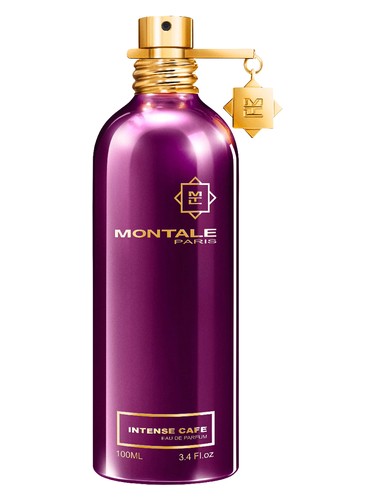
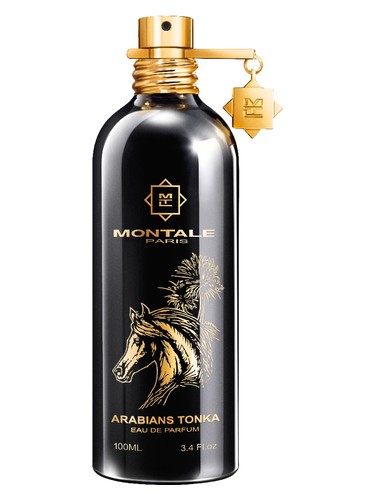
Within Montale''s own catalog, Crazy In Love sits between Arabians Tonka and Intense Cafe—sharing the former''s sweet warmth and the latter''s unconventional gourmand approach. The comparison to Delina Exclusif by Parfums de Marly is telling; both tackle rose through a modern, sweetened lens, though Delina leans more overtly luxurious while Crazy In Love maintains that metallic edge. The similarities to Mancera''s Instant Crush and Roses Vanille make sense given Mancera and Montale''s shared DNA—all three explore rose in warm, sweet contexts, though each takes a slightly different path through that territory.
Where Crazy In Love distinguishes itself is in that persistent metallic quality. While its siblings and comparisons generally smooth out any rough edges, this fragrance maintains an element of tension throughout its wear time, an slight abrasiveness that either intrigues or irritates depending on your preferences.
The Bottom Line
Crazy In Love is a fragrance that earns its mixed reception honestly—it''s doing something specific, and that specificity won''t appeal to everyone. For cold-weather lovers seeking a rose fragrance with unusual facets, particularly that intriguing metallic-meets-caramel character, it''s absolutely worth exploring. The 3.58 rating reflects not mediocrity but polarization, which is often more interesting than universal approval.
At Montale''s typical price point, it represents solid value for the concentration and longevity the house is known for. Should you blind buy it? Probably not—this needs skin testing to see how that metallic rose works with your chemistry. But should it be on your sampling list if you''re drawn to unconventional rose fragrances or warm, spicy-sweet compositions with edge? Absolutely. Sometimes the most memorable fragrances aren''t the ones everyone loves, but the ones that make you feel something specific and strange. Crazy In Love, true to its name, does exactly that.
AI-generated editorial review