First Impressions
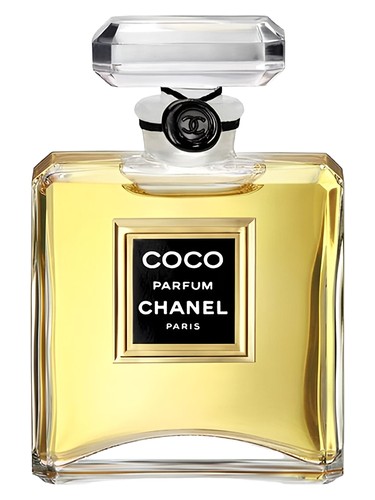
The first spray of authentic Coco Parfum is an amber avalanche—rich, opulent, unapologetically bold. Bulgarian rose and peach emerge with a whisper of coriander''s green spice, immediately establishing this as a fragrance from another era, when perfumes announced your presence rather than politely suggested it. There''s jasmine threading through that opening, softened by mandarin orange, but make no mistake: this is not a delicate floral. This is Chanel at its most fearless, a 100% amber-dominant composition that wears like liquid jewelry.
The parfum concentration delivers exactly what it promises—intensity, longevity, and a complexity that cheaper concentrations can only approximate. This is the kind of fragrance that transforms a simple black dress into a statement, that makes a Tuesday feel like an occasion.
The Scent Profile
Coco Parfum''s evolution is a masterclass in layered construction. Those opening notes—the peach-rose duet with coriander''s herbal bite and mandarin''s citrus brightness—serve as an aromatic curtain that rises to reveal the true drama beneath.
The heart is where things get genuinely intricate. Rose appears again, now accompanied by cloves that add a warm, almost medicinal spiciness (that 49% warm spicy accord showing its hand). Mimosa brings its characteristic powdery sweetness, while orange blossom contributes a heady, indolic richness. Clover, often overlooked in perfumery, adds an unexpected green-honey nuance that keeps the florals from becoming too saccharine. This is where the 53% powdery and 44% white floral accords bloom fully.
The base is pure opulence: amber and opoponax create a resinous foundation, while labdanum adds leathery depth. Civet—likely synthetic in modern formulations—provides an animalic growl that keeps the sweetness in check. Sandalwood adds creamy woodiness, while tonka bean and vanilla round out that 63% sweet accord with a gourmand warmth. This base lingers for hours, evolving slowly, revealing new facets as your skin chemistry interacts with these precious materials.
Character & Occasion
The data tells a clear story: Coco Parfum is a cold-weather powerhouse. With 97% winter and 96% fall suitability, this is emphatically not a summer fragrance. The amber dominance and rich spice would feel suffocating in July heat, but wrapped in cashmere during December, it transforms into olfactory armor against the cold.
The day/night split is equally revealing—63% day wearability but 100% night suitability. This is a fragrance that thrives in low light, in intimate dinners and theater lobbies, in velvet and silk rather than cotton and linen. You could wear it during daylight hours in winter, certainly, but it reaches its full potential when the sun goes down.
This is uncompromisingly feminine, designed for someone who isn''t afraid of projection, who understands that a great perfume is an investment in presence. It''s not for the tentative or the trend-conscious. It''s for the woman who knows what she likes and doesn''t need permission to wear it.
Community Verdict
Here''s where the story takes a dark turn. The r/fragrance community''s sentiment score of 2.5/10 isn''t a reflection of the fragrance itself—it''s a dire warning about the marketplace. With 43 community opinions weighing in, the message is unequivocal: buying Coco Parfum on the secondary market has become a minefield.
The community reports widespread counterfeiting, with Russian sellers dominating eBay listings at suspiciously low prices. These aren''t crude knockoffs—the counterfeits have grown increasingly sophisticated, complete with fake batch codes and, most alarmingly, refilled original bottles. The fakes have now infiltrated the US secondary market through platforms like Mercari and local resellers who may not even realize they''re selling counterfeits.
eBay''s quality control has proven inadequate, allowing fake listings to persist while artificially inflated seller ratings create false confidence. The community consensus is absolute: only purchase from authorized Chanel retailers or trusted personal sources with verified provenance. The risk simply isn''t worth the potential savings.
How It Compares
Coco Parfum sits in illustrious company. Its siblings—Coco Eau de Toilette and Eau de Parfum—offer variations on the same theme at different intensities. In the broader landscape, it shares DNA with Dior''s Poison and the original 1977 Opium by Yves Saint Laurent—those bold oriental powerhouses that defined 1980s and 1990s luxury perfumery. Dior''s Dune offers a more modern, sheer interpretation of similar themes.
What distinguishes Coco Parfum is its particular balance of amber sweetness with spicy complexity and powdery elegance. It''s warmer than Poison, more overtly floral than Opium, more unabashedly rich than Dune.
The Bottom Line
With a rating of 4.45/5 from 698 votes, Coco Parfum''s quality is beyond dispute. This is legitimately one of Chanel''s masterworks, a fragrance that demonstrates why the house commands its premium positioning. For those who love amber-dominant, spicy orientals, this parfum concentration offers an experience that lighter versions cannot match.
But—and this is crucial—you must source it carefully. Buy directly from Chanel boutiques or authorized department store counters. If you''re considering vintage bottles or secondary market purchases, the risk of receiving a counterfeit is genuinely high. The money you might save isn''t worth the disappointment of a fake.
If you can secure an authentic bottle and you love classic orientals, Coco Parfum is absolutely worth experiencing. It''s a piece of perfume history that still feels relevant, a reminder of when fragrances were allowed to be bold, complex, and uncompromising. Just make sure what you''re spraying is the real thing.
AI-generated editorial review