First Impressions
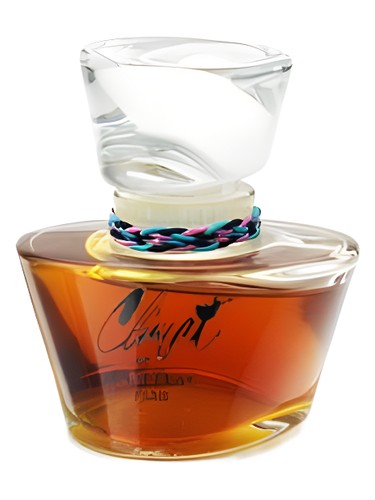
The first touch of Climat Parfum Extrait feels like opening a pristine white jewelry box that''s been sealed since 1967. There''s an immediate spark—that unmistakable aldehydic fizz that defined an entire era of French perfumery—followed by a billowing cloud of white florals so lush and dimensional they seem to occupy physical space around you. This is extrait de parfum in its purest form: concentrated, unapologetic, and utterly refined. The opening doesn''t whisper; it announces itself with the confident clarity of someone who knows exactly who they are and has known it for over five decades.
What strikes you most is the seamless contradiction: it''s fresh yet opulent, clean yet complex, modern yet unmistakably vintage. The aldehydes give it that characteristic soapy brightness, but underneath lies something warmer, more aromatic, with woody undertones that hint at the sophistication to come.
The Scent Profile
Climat Parfum Extrait presents an interesting challenge: the specific note breakdown remains mysteriously unspecified, yet the fragrance speaks volumes through its accord structure. What we know comes through in the wearing, and what a story it tells.
The composition leads overwhelmingly with white florals—a full 100% presence that forms the absolute heart and soul of this perfume. These aren''t the indolic, heavy white florals of tropical nights; they''re crystalline, pristine, almost abstract in their purity. Think jasmine and lily of the valley rendered in high definition, possibly some tuberose for body, though always restrained, always elegant.
The freshness—registering at 85%—works in tandem with the aldehydic character (76%) to create that signature vintage sparkle. These aldehydes aren''t the sharp, lemony variety but rather the soft, effervescent kind that makes the entire composition feel lifted, aerated, like champagne bubbles caught in silk. It''s the same technical brilliance that made Chanel No. 5 a legend, applied here with Lancôme''s own sensibility.
As the fragrance settles, the aromatic accord (68%) begins to assert itself—likely some green, herbal nuances that keep the white florals from becoming too sweet or cloying. The woody base (65%) provides an elegant foundation, grounding all that luminous florality with what feels like refined sandalwood or perhaps vetiver, giving the composition its remarkable longevity and depth.
Finally, there''s that powdery quality (56%)—not overwhelming, but present enough to create a soft-focus effect, like looking at beauty through vintage lace curtains. It''s the kind of powderiness that speaks to quality iris or musks, that finish which made classic French perfumery so addictive.
Character & Occasion
Here''s where Climat Parfum Extrait reveals its true versatility: this is an all-seasons fragrance that somehow works year-round without feeling out of place. The freshness and aldehydes make it suitable for spring and summer, while the woody depth and aromatic complexity carry it beautifully into autumn and winter. It''s the rare white floral that doesn''t wilt in heat or feel too sharp in cold.
As for timing, the data shows no particular lean toward day or night, and honestly, that tracks. This is a fragrance that adapts to its wearer and occasion. Wear it to the office and it becomes sophisticated restraint; wear it to evening events and it transforms into understated glamour. The extrait concentration means you control the intensity—a light application for daytime polish, a more generous one for evening presence.
This is definitively feminine perfumery, but of a particular school: elegant, self-assured, intellectual rather than overtly seductive. It''s for the woman who appreciates craftsmanship, who understands that true luxury whispers rather than shouts. Age is irrelevant here—what matters is sensibility.
Community Verdict
With a rating of 4.43 out of 5 based on 711 votes, Climat Parfum Extrait has earned serious respect. That''s a remarkably high score for a fragrance this old, especially considering how dramatically tastes have shifted since 1967. The substantial voter base suggests this isn''t just nostalgic collectors speaking—there''s genuine, ongoing appreciation for what this perfume achieves.
The high rating indicates that Climat doesn''t merely survive as a vintage curiosity; it thrives as a viable, wearable fragrance that continues to find new admirers. In an era dominated by gourmands and oud-heavy compositions, the fact that an aldehydic white floral from the ''60s commands such admiration speaks to its timeless construction and enduring appeal.
How It Compares
Climat Parfum Extrait sits in distinguished company. Its closest sibling, Climat (Vintage), naturally shares its DNA, while the comparison to Chanel No. 5 Parfum makes perfect sense given the shared aldehydic-floral architecture. Both represent pinnacles of mid-century French perfumery, though Climat leans slightly fresher and less overtly aldehydic than its more famous counterpart.
The mentions of Anais Anais and Noa by Cacharel suggest a kinship in terms of white floral purity, while Organza by Givenchy shares that vintage-inspired sophistication. What distinguishes Climat is its particular balance—it''s fresher than Organza, more complex than Anais Anais, and more aromatic-woody than typical white florals of any era.
The Bottom Line
Climat Parfum Extrait is a masterclass in perfumery that happens to be over 50 years old. Its 4.43 rating isn''t charity for a vintage fragrance; it''s recognition of genuine artistry that transcends trends. Finding this extrait concentration is admittedly challenging, and when you do, expect vintage pricing. But for those who appreciate aldehydic white florals executed at the highest level, it''s worth the hunt.
Should you try it? If you love Chanel No. 5 but find it too iconic, too recognizable, Climat offers similar sophistication with more individuality. If you''re exploring vintage perfumery and want to understand what made this era special, this is essential education in a bottle. And if you simply want a white floral that works everywhere, every season, with impeccable elegance—well, that''s exactly what Lancôme created in 1967, and time hasn''t diminished it one bit.
AI-generated editorial review