First Impressions
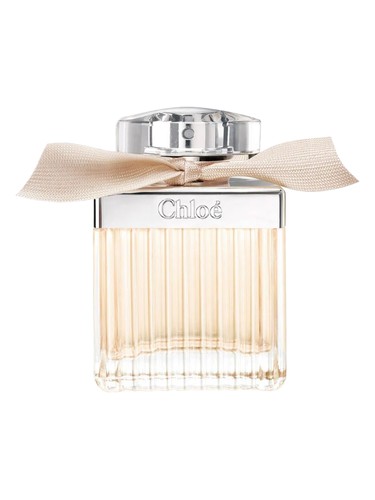
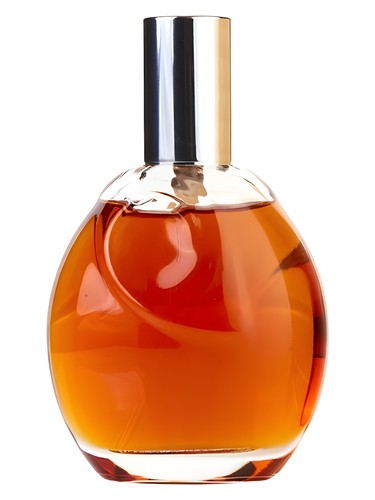
The original Chloé opens with a shimmering collision of aldehydes and fruit that immediately announces its 1970s pedigree. That first spray delivers a peachy-coconut haze wrapped in crisp aldehydic fizz—think champagne bubbles drifting through a tropical garden at dawn. There''s honeysuckle sweetness tangled with the green snap of hyacinth, while lilac and orange blossom add layers of vintage femininity that feel unabashedly romantic. This isn''t the approachable, millennial-pink Chloé that dominates department store counters today. This is its bolder, more complex ancestor—a fragrance that wears its white floral intensity like a statement rather than a suggestion.
The ylang-ylang and bergamot create an interesting tension in those opening moments: tropical richness meets citrus brightness, all suspended in that characteristic aldehydic sparkle that defined an era of perfumery. It''s immediately clear this belongs to the same lineage as Chanel No. 5, with that same polished, almost soapy luminosity that marked sophisticated femininity in the pre-minimalist age.
The Scent Profile
As the aldehydic introduction settles, Chloé reveals its true heart: an unapologetically lush white floral bouquet dominated by tuberose. This isn''t tuberose as a whisper or suggestion—it''s tuberose as a declaration, creamy and narcotic, flanked by equally assertive narcissus and carnation. The jasmine weaves through with indolic richness, while rose and orris root provide just enough powdery elegance to keep the composition from tipping into pure tropical abandon.
The carnation adds a spicy, almost peppery dimension that feels quintessentially vintage, a note that''s largely disappeared from modern white florals. It brings structure and backbone to what could otherwise become overwhelming sweetness. The orris root contributes a subtle lipstick-like quality—not the iris-forward powderiness of contemporary fragrances, but rather a soft, cosmetic refinement that keeps everything polished and intentional.
The base notes emerge gradually, grounding all that heady florality in a foundation that speaks to the woody, amber-laced preferences of 1970s perfumery. Oakmoss brings the characteristic chypre depth, though this isn''t a true chypre so much as a white floral with mossy underpinnings. Sandalwood and cedar provide creamy-dry woodiness, while benzoin and amber add warmth and slight sweetness. Musk rounds everything out with soft animalic smoothness, ensuring the fragrance maintains presence without becoming sharp or linear.
The evolution follows a classic pyramid structure—bright opening, voluptuous heart, warm dry-down—that modern fragrances often abandon in favor of more immediate, linear compositions. There''s patience required here, a willingness to let the fragrance unfold across hours rather than minutes.
Character & Occasion
The community data tells a clear story: this is a cool-weather companion. With fall scoring 97% and winter 83%, Chloé reveals itself as a fragrance that needs crisp air and cozy fabrics to truly shine. The richness that might feel overwhelming in summer heat becomes enveloping luxury when temperatures drop. Spring receives a modest 59% approval, while summer languishes at 36%—this tuberose-heavy composition simply has too much warmth and density for warm weather comfort.
Interestingly, it performs almost equally well day and night (100% day, 83% night), suggesting versatility within its seasonal constraints. This speaks to its inherent elegance—it''s bold enough for evening presence but refined enough for daytime sophistication. Picture it with autumn cashmere or winter wool, at gallery openings or afternoon meetings, worn by someone who appreciates fragrance as an expression of personality rather than background ambiance.
This is decidedly mature perfumery, likely to resonate most with those who remember or appreciate vintage aesthetics. It''s not trying to be fresh, clean, or office-appropriate by contemporary standards. It''s for the person who considers "too much" to be just right.
Community Verdict
With a rating of 3.66 out of 5 from 2,427 votes, Chloé sits in solid, respectable territory—well-regarded but not universally adored. This moderate rating makes sense for a fragrance this uncompromisingly vintage. It''s not designed for mass appeal in an era dominated by sheer, fruity-floral accessibility. Those who love it seem to truly appreciate its full-bodied character, while detractors likely find it too heavy, too dated, or too demanding.
The substantial vote count indicates continued interest despite its age, suggesting a dedicated following who seek out this original formulation rather than its more commercial descendants. For a nearly 50-year-old fragrance, maintaining this level of engagement speaks to genuine quality and continued relevance within niche circles.
How It Compares
The listed similarities read like a who''s-who of opulent florals: Amarige, Anaïs Anaïs, Poème, Organza, and Chanel No. 5 Parfum. These connections position Chloé firmly within the powerhouse white floral category—fragrances that prioritize presence and complexity over discretion. Where Anaïs Anaïs leans greener and Amarige goes sweeter, Chloé maintains a more balanced tuberose-aldehydic profile. The Chanel No. 5 comparison speaks to shared DNA—that aldehydic sparkle and vintage construction—though Chloé skews warmer and more tropical with its coconut and peach elements.
In its own category, Chloé occupies interesting middle ground: more approachable than the most challenging vintages but more demanding than modern interpretations of the white floral theme.
The Bottom Line
The original Chloé deserves exploration specifically because it refuses to apologize for what it is. This isn''t a fragrance trying to be all things to all people—it''s a specific vision executed with vintage conviction. The 3.66 rating reflects honest division rather than mediocrity: those who connect with lush, aldehydic white florals will find much to love, while minimalists and fresh-scent devotees should look elsewhere.
For vintage fragrance collectors, those building a comprehensive white floral wardrobe, or anyone curious about pre-reformulation perfumery, this merits serious attention. Just know it requires the right season, the right mood, and the right confidence to pull off its unapologetic florality. Approach with respect for what it represents—not a relic, but a reminder of when fragrances demanded attention rather than requesting it.
AI-generated editorial review