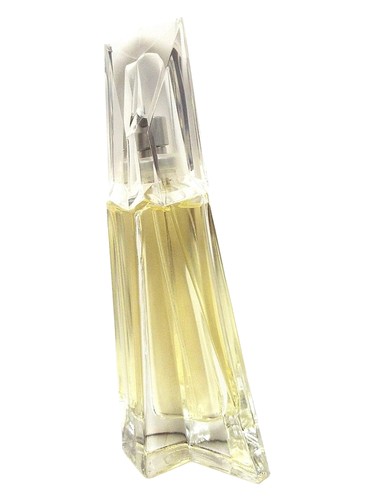
First Impressions
The name promised disruption, but what Donna Karan delivered in 1996 was something far more intriguing than mere fragrance anarchy. Chaos opens with an herbal trinity that feels almost medicinal in its purity—coriander, chamomile, and lavender converging with sage to create an aromatic brightness that seems to shimmer and settle simultaneously. This isn''t the polite, spa-like lavender of contemporary wellness culture. It''s earthier, more grounded, with the coriander adding an unexpectedly peppery edge that hints at the warmth waiting beneath. In an era dominated by aquatics and sheer musks, this opening was indeed chaotic—a deliberate rejection of the minimalist fragrance zeitgeist.
The Scent Profile
The journey from top to base in Chaos reveals a carefully orchestrated crescendo of warmth. Those initial herbal notes—lavender, chamomile, sage, and coriander—create an aromatic foundation that registers at 75% intensity in the fragrance''s profile. But they''re merely setting the stage. Within minutes, the heart begins its seduction.
Saffron emerges first, that precious crimson thread adding a leathery, almost metallic quality that transforms the composition from herbal to exotic. Then comes cinnamon, accounting for 37% of the accord structure, warming the blend with its sweet-spicy radiance. But it''s the carnation that truly defines the heart—a note that was already feeling vintage by 1996, harking back to the great spice orientals of earlier decades. This isn''t the fresh-cut florist''s carnation; it''s the dried, clove-like essence that adds both pepper and powderiness simultaneously.
The base is where Chaos finds its equilibrium. Sandalwood provides creamy woodiness (42% of the woody accord), while musk and amber create that signature warm spicy signature that dominates at 100% intensity. The amber here isn''t the sweet, vanilla-tinged variety of modern gourmands—it''s resinous and complex, with the musk adding skin-like intimacy. The powdery quality (37%) becomes more pronounced in the drydown, creating a soft, enveloping finish that contradicts the fragrance''s anarchic name. This is controlled chaos at its finest.
Character & Occasion
Chaos is unequivocally a cold-weather companion. The data speaks clearly: fall scores 100%, winter follows closely at 90%, making this a fragrance that thrives when temperatures drop and crisp air sharpens its spicy aromatic edges. Spring manages a respectable 53%, but summer—at just 32%—reveals this perfume''s limitations in heat. Those warm spices and resinous base notes simply carry too much weight for sweltering days.
The day-to-night versatility is where Chaos shows unexpected range. While it performs beautifully in daylight (89%), it truly comes alive after dark (96%). The herbal opening makes it office-appropriate, sophisticated without being aggressive. But as evening arrives and the spices intensify on warm skin, it transforms into something more mysterious, more intimate. This is a fragrance that moves seamlessly from a business meeting to a dinner reservation, from art gallery opening to late-night conversation.
Who is this for? The wearer who appreciates fragrance as architecture rather than decoration. Someone who finds comfort in spice rather than sweetness, who values warmth over freshness. This isn''t a fragrance for the tentative—it has presence and personality.
Community Verdict
With a rating of 4.54 out of 5 from 334 votes, Chaos has achieved something rare: cult status backed by consistent acclaim. This isn''t a polarizing composition with devoted fans and vocal detractors. The rating suggests broad appreciation, a fragrance that delivers on its promise. For a scent now approaching three decades old, maintaining this level of enthusiasm speaks to its quality and timelessness. The community has spoken clearly—this is a fragrance worth seeking out.
How It Compares
Chaos inhabits fascinating territory in the warm spicy oriental category. Its kinship with Yves Saint Laurent''s Nu and the legendary Opium from 1977 places it firmly in the lineage of unapologetically spiced feminines. The comparison to Kenzo Jungle L''Elephant suggests shared exotic warmth, while the nod to Dior''s Dolce Vita and Guerlain''s L''Heure Bleue positions it among refined, powder-touched classics.
Where Chaos distinguishes itself is in that aromatic-herbal opening. While Opium goes straight for baroque opulence and L''Heure Bleue leans into violet powder, Chaos takes a more cerebral approach with its chamomile and sage introduction before revealing its spicy heart. It''s slightly more restrained than its comparisons suggest, making it perhaps more wearable for those intimidated by full-throttle orientals.
The Bottom Line
Chaos 1996 stands as proof that sometimes the best disruptions come wrapped in sophistication. At 4.54 out of 5, it''s performing in rarefied air, especially for a fragrance that predates the current vintage perfume renaissance. This isn''t easy to find, and concentration details remain elusive, but for those who connect with warm spices, aromatic herbs, and powdery woods, the hunt is worthwhile.
The value proposition depends entirely on availability. If you encounter it, the price will likely reflect its discontinued status and cult following. Is it worth premium pricing? For devotees of classic spice orientals who want something slightly left-of-center, absolutely. For those building a collection of significant ''90s fragrances, it''s essential.
Who should try this? Anyone who mourns the decline of carnation in modern perfumery. Those who find Opium too heavy but want that spiced warmth. The wearer who appreciates when a fragrance tells a story from opening to drydown. And perhaps most of all, those who understand that sometimes the most interesting fragrances are the ones that initially seem misnamed—because Chaos, despite its name, is really about finding beauty in the unexpected convergence of opposites.
AI-generated editorial review