First Impressions
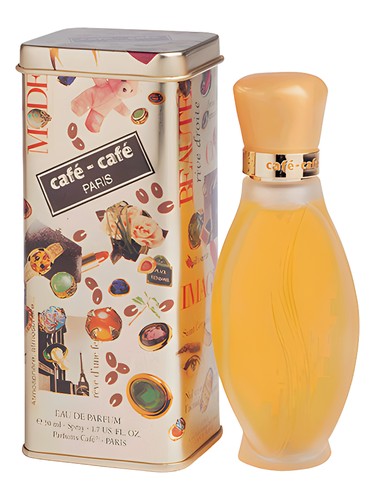
Despite its name suggesting espresso-stained pages and dark roasted beans, Cafe-Cafe opens with all the coffee-shop atmosphere of a patisserie window display. The first spray delivers an immediate rush of juicy peach and passionfruit, sweetened with pear and brightened by citrus—a fruit salad dressed in bergamot and lemon that announces itself with zero subtlety. This is not the fragrance for those seeking understated elegance. Within seconds, you''re enveloped in a cloud that reads decidedly young, optimistic, and unapologetically sweet. The ''90s DNA is unmistakable: this was the era when fruity florals ruled department store counters, and Cafe-Cafe planted its flag firmly in that territory, coffee beans be damned.
The Scent Profile
The opening act is pure fruit theater. Peach takes center stage, ripe to the point of dripping, supported by the tropical tang of passionfruit and the crisp sweetness of pear. Lemon and bergamot attempt to provide structure, but they''re quickly overwhelmed by the fruit''s enthusiasm. This isn''t a delicate fruit accord—it''s exuberant, bordering on synthetic in its intensity, which either charms or overwhelms depending on your tolerance for boldness.
As the fruity opening settles, the heart reveals a complex floral bouquet that somehow manages to feel both classic and slightly chaotic. Tuberose and jasmine bring creamy richness, while iris contributes the powdery quality that accounts for 73% of this fragrance''s character according to community consensus. Rose and lily-of-the-valley add traditional floral sweetness, and there''s an unexpected herbal note from rosemary that occasionally surfaces, creating brief moments of green intrigue in an otherwise relentlessly sweet composition. This middle phase is where Cafe-Cafe finds its stride—the florals soften the fruit''s aggressive edge while maintaining the perfume''s fundamental sweetness.
The base is where the cafe concept finally makes a distant appearance, though not through coffee. Instead, caramel and vanilla create a gourmand foundation that''s warm, comforting, and distinctly dessert-like. Sandalwood and patchouli provide woody depth (accounting for that 48% woody accord), while musk adds a subtle skin-like quality that prevents the whole composition from becoming pure confection. The caramel note, rated at 54% prominence, is particularly notable—it''s buttery and rich without being cloying, threading through the fragrance''s evolution from the heart notes onward.
Character & Occasion
The community has spoken decisively on this question: Cafe-Cafe is a daytime fragrance, rating 100% for day versus just 31% for night. This makes perfect sense. The bright fruits and powdery florals create an accessible, friendly aura that suits casual settings—weekend brunches, office environments where fragrance must play nicely with others, shopping trips, and relaxed social gatherings.
Seasonally, this is a transitional perfume. Fall claims the highest score at 78%, where the caramel and vanilla notes align beautifully with crisp air and changing leaves. Spring follows closely at 69%, when the fruity-floral character feels appropriate to warming weather. Summer registers at 49%—understandable, as the sweetness might feel heavy in heat—while winter trails at 43%. This is not a fragrance that demands specific weather, but rather one that adapts to moderate temperatures with the most grace.
The feminine classification feels accurate but not exclusive. The sweetness and powder lean traditionally feminine by ''90s standards, though contemporary wearers unconcerned with gender conventions might find it perfectly wearable if they enjoy gourmand compositions.
Community Verdict
With 652 votes landing at 3.75 out of 5 stars, Cafe-Cafe occupies interesting territory. This isn''t a masterpiece that commands universal reverence, nor is it a failure that inspires regret. Instead, it''s a solid performer that clearly has its devotees—the vote count suggests a fragrance that people actively seek out and form opinions about, even nearly three decades after its launch. That longevity and engagement speak to something compelling in the formula, even if it doesn''t achieve perfection. The rating suggests competence and charm rather than artistry, which seems entirely appropriate for a fruity-sweet gourmand from the mid-''90s that has survived when countless others have vanished.
How It Compares
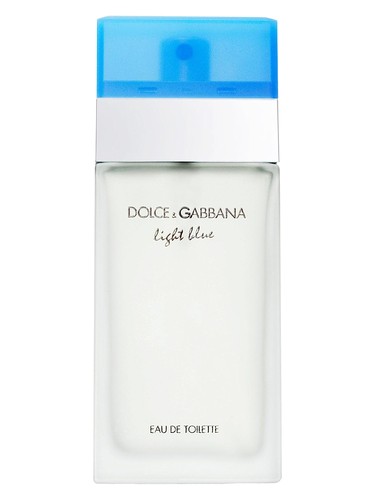
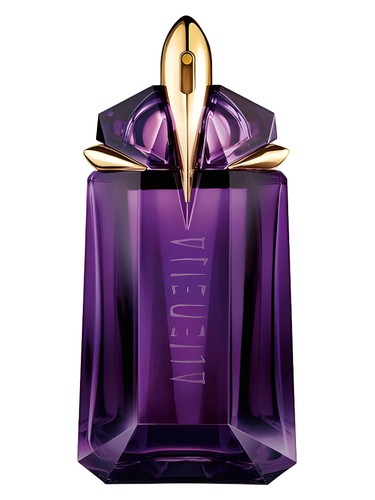
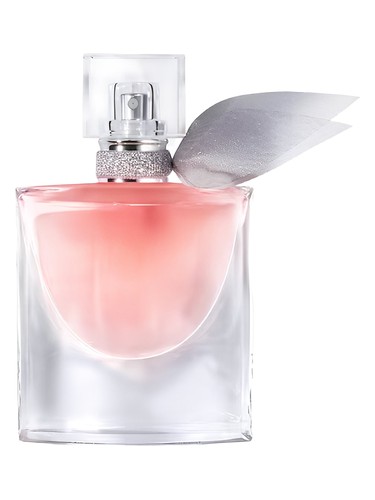
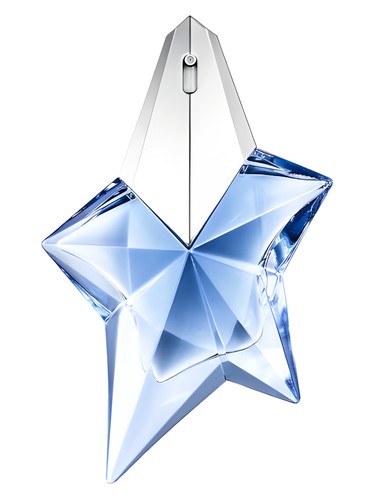
The similar fragrances list reads like a who''s who of sweet, approachable blockbusters: La Vie Est Belle, Angel, Hypnotic Poison, Dolce Vita, and Laguna. What''s notable is that Cafe-Cafe predates several of these eventual bestsellers, arriving in 1996 before the gourmand explosion fully detonated. It shares Angel''s sweet intensity and Hypnotic Poison''s vanilla warmth, but remains fruitier and less complex than either. Against La Vie Est Belle''s pear-iris-praline formula, Cafe-Cafe feels more straightforward and less refined, but also more affordable and unpretentious. It occupies the accessible end of this category—less challenging than Angel, less polished than Dior, but offering a similar emotional territory for a fraction of the investment.
The Bottom Line
Cafe-Cafe is an honest fragrance from an era before niche perfumery convinced us that complexity equals quality. It promises fruit, powder, and sweetness—and delivers exactly that without apology or pretension. The 3.75 rating reflects its nature: this is a very good execution of a specific idea, not a groundbreaking artistic statement.
Who should try it? Anyone curious about accessible ''90s gourmands, those who love the similar (often pricier) fragrances listed above, and wearers seeking an easy, sweet daytime scent that works across spring and fall. Skip it if you demand sophistication, loathe sweetness, or prefer fragrance that whispers rather than chatters. At its likely price point, Cafe-Cafe represents solid value—a dependable fruity-sweet option that has earned its modest but dedicated following over nearly thirty years. Sometimes that''s enough.
AI-generated editorial review