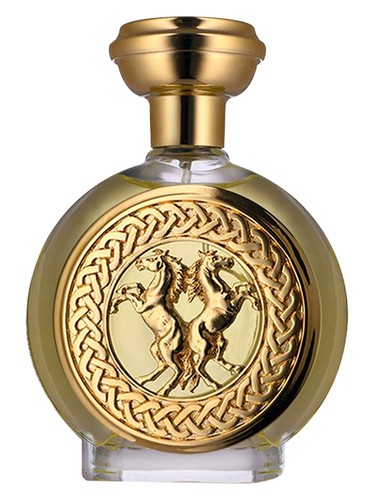
First Impressions
The first breath of Nemer is a calculated disruption—saffron''s leathery warmth collides with lemongrass brightness and the bite of black pepper, while ylang-ylang weaves its creamy-indolic sweetness through the spice. This isn''t the gentle introduction you might expect from a feminine rose fragrance. Instead, Boadicea the Victorious announces itself with confidence, the opening hovering somewhere between a spice market at dawn and a hidden garden where something wild grows beneath manicured hedges. The 2012 release manages that rare trick of feeling both opulent and untamed from the very first spray.
The Scent Profile
Those opening fireworks—the interplay of golden saffron, green-citric lemongrass, and crackling black pepper—quickly establish Nemer''s unconventional intentions. The ylang-ylang adds a tropical, almost fruity richness that prevents the spice blend from becoming too sharp or austere. But this prelude is brief.
The heart reveals Nemer''s central obsession: rose in triplicate. Moroccan rose brings a darker, spicier character; Turkish rose contributes its honeyed, jam-like sweetness; and together they create a rose accord that feels genuinely three-dimensional. This isn''t the soliflore treatment where a single rose note dominates transparently. Instead, these roses are layered, complex, and already beginning their descent into something earthier. The florals here feel weighted, grounded, as though pulled downward by gravity.
And that gravitational force? It''s the extraordinary base that dominates Nemer''s identity. With woody accords registering at a perfect 100% in its profile and earthy notes at 87%, this is where the fragrance truly lives. Moss provides a damp, forest-floor quality, while cypriol oil (nagarmotha) delivers its characteristic woody-smoky depth with subtle oud-like facets. Amber and patchouli create warmth and darkness, while sandalwood, cashmere wood, and cedar build a multi-faceted woody foundation that''s simultaneously creamy, dry, sharp, and soft. Musk adds intimacy, and vanilla—used judiciously—rounds the edges without sweetening the composition into dessert territory.
The result is a rose that''s been pulled into the earth, wrapped in moss and wood, dressed in amber and smoke. It''s a fragrance that evolves slowly, revealing new facets over hours rather than minutes, the woody-earthy base gradually overwhelming the florals until you''re left with something that barely reads as rose at all—just warmth, depth, and mysterious darkness.
Character & Occasion
Nemer is autumn incarnate. With fall scoring a perfect 100% and winter close behind at 95%, this is unequivocally a cold-weather companion. The earthy mossy qualities and dense wood structure make perfect sense when temperatures drop and you crave something enveloping. Spring at 83% suggests it can handle transitional weather—those crisp mornings with a bite still in the air. Summer''s 49% rating tells the truth: this is too rich, too weighted for genuine heat.
The day/night split (72% day, 95% night) reveals Nemer''s versatility within its seasonal wheelhouse. It''s refined enough for daytime wear—imagine it with a cashmere sweater and boots, perfect for an autumn afternoon. But it truly comes alive at night, where its 95% rating suggests it thrives. The depth and complexity reward closer attention, the kind you get across an intimate dinner table or in a dimly lit bar where the air is cool and still.
This is marketed as feminine, but the woody-earthy dominance and spice elements make it beautifully androgynous. Anyone drawn to complex, non-sweet roses and rich woody compositions should ignore the gender designation entirely.
Community Verdict
With a rating of 4.29 out of 5 across 419 votes, Nemer has earned substantial respect. This isn''t a fragrance with a handful of passionate devotees and many detractors—the strong rating across hundreds of reviews suggests broad appeal among those who discover it. That score places it firmly in "excellent" territory, indicating that while it may not be universally known, those who encounter it tend to appreciate its craftsmanship and distinctive character. The voting base is substantial enough to consider this assessment reliable rather than the product of a small, biased sample.
How It Compares
The company Nemer keeps is illustrious. Its similarities to Frederic Malle''s Promise and Portrait of a Lady immediately signal its pedigree—these are serious, complex rose compositions that refuse to be merely pretty. The connection to Roja Dove''s Amber Aoud, Diaghilev, and Danger Pour Homme places it in a category of dense, luxurious, wood-heavy fragrances where oud-like notes (here achieved through cypriol rather than actual oud) create opulence and depth.
What distinguishes Nemer is its particular earthy-mossy character—that forest-floor quality registers more prominently here than in some of its more amber-forward or purely woody cousins. It occupies a space where floral meets chypre meets oriental woody, a complex intersection that explains both its appeal and its versatility.
The Bottom Line
Nemer deserves wider recognition than it currently receives. At 4.29/5, it''s competing with acknowledged masterpieces, yet Boadicea the Victorious often flies under the radar compared to heritage houses or independent darlings. This works in your favor if you value distinctiveness—you''re unlikely to encounter your scent twin wearing this.
Is it worth the investment? For lovers of complex, woody-rose compositions with genuine depth and evolution, absolutely. This isn''t a safe crowd-pleaser or an easy wear—it demands the right weather, the right mood, the right wearer. But for those who connect with earthy roses, mossy woods, and fragrances that reveal themselves slowly over hours, Nemer offers remarkable satisfaction.
Try this if you''ve loved Portrait of a Lady but wished it leaned earthier, or if Amber Aoud intrigues you but feels too overtly oud-centric. Nemer carves its own path through similar territory, emerging as something singular: a rose that remembers it grew from soil, surrounded by trees, under autumn skies.
AI-generated editorial review