First Impressions
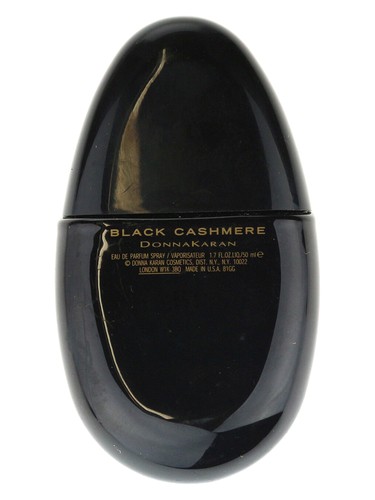
The first spray of Black Cashmere feels like stepping into a dimly lit spice merchant''s quarters—all burnished wood, exotic resins, and the warm glow of amber light filtering through silk curtains. There''s an immediate intensity here, a rush of nutmeg and saffron that announces itself without apology, tempered by the sacred smokiness of olibanum. This isn''t a fragrance that whispers; it speaks in a confident, measured tone that commands attention. The opening has a distinctly metallic quality—22% according to its accord profile—that adds an intriguing sharpness to all that warmth, like catching the glint of brass fixtures in candlelight.
What strikes you most is how thoroughly this fragrance commits to its spicy identity. With fresh spicy registering at 100% of its main accords, Black Cashmere doesn''t hedge its bets or try to please everyone. It knows exactly what it is: a bold, unapologetically intense fragrance for those who appreciate complexity over accessibility.
The Scent Profile
The journey begins with that striking triumvirate of nutmeg, saffron, and olibanum—a combination that immediately sets Black Cashmere apart from typical early-2000s releases. The nutmeg provides warmth without sweetness, while saffron adds its characteristic leathery-metallic edge. The olibanum (frankincense) threads through from top to base, creating a resinous backbone that anchors the entire composition.
As the fragrance settles, the heart reveals itself as a study in sophisticated heat. White pepper joins forces with rose and cloves, creating a spicy floral core that''s simultaneously sharp and soft. The rose here isn''t dewy or romantic—it''s dry, almost austere, backed by the aromatic bite of cloves and the tingling sensation of white pepper. This is where the warm spicy accord (70%) really shows its strength, building on the fresh spicy opening with deeper, more rounded heat.
The base is where Black Cashmere transforms into something truly enveloping. Woody notes dominate at 75% of the accord structure, creating a foundation of weathered timber and dried bark. Amber adds a subtle glow—present at 40% but never overwhelming—while patchouli (25%) contributes its earthy, slightly musty character. Vanilla makes a brief appearance, but this is no gourmand sweetness; it''s more like a trace of vanillic warmth from aged wood. The olibanum returns here, stronger now, wrapping everything in that distinctive incense-like quality that gives Black Cashmere its meditative depth.
Character & Occasion
The data tells a clear story: this is a cold-weather powerhouse. Winter compatibility scores 94%, with fall following at a strong 78%. Spring and summer registrations barely register at 19% and 15% respectively, and for good reason—this is far too dense, too intensely spiced for warm weather. As community feedback confirms, it''s simply "too heavy and woodsy" when temperatures rise.
The day-night split is equally revealing: 44% for daytime versus 100% for nighttime. Black Cashmere saves its full magic for evening hours, those moments when you want a fragrance with presence and mystery. It''s built for fall and winter evenings specifically, for dinners lit by firelight, gallery openings, theatre nights, or simply walking through cold streets where your fragrance trail becomes part of the atmosphere.
This is decidedly a signature scent fragrance—something for special occasions or for those confident enough to make it their calling card. The complexity and intensity demand a wearer who appreciates perfume as an art form rather than a finishing touch.
Community Verdict
The r/fragrance community sentiment is overwhelmingly positive, scoring 8.2 out of 10 across 44 opinions. The broader rating of 4.3 out of 5 from 1,633 votes confirms this isn''t a niche obsession—it''s a widely appreciated fragrance.
Community members describe it as "dry, spicy, and comforting," with many calling it "intoxicating and beautiful." The praise for its suitability in cooler weather is unanimous, and collectors note how "unique and hard to find alternatives" truly are—a testament to its distinctive character.
But here''s where the story turns bittersweet: Black Cashmere is discontinued. This single fact dominates community discussions. The fragrance is "very hard to find," and when bottles do surface, "resale prices on secondary market are extremely high." The community actively hunts for dupes, shares sighting tips, and mourns its loss—clear evidence of how deeply this fragrance resonated with those who discovered it.
How It Compares
Black Cashmere sits in distinguished company. Its closest relatives include Yves Saint Laurent''s legendary Opium (1977), Kenzo Jungle L''Elephant, Serge Lutens'' Ambre Sultan, and Dior''s Midnight Poison and Dune. These comparisons reveal Black Cashmere''s DNA: it belongs to that lineage of bold, spice-forward orientals that prioritize character over commercial appeal.
Where Opium leans more overtly sweet and Ambre Sultan focuses on its titular amber, Black Cashmere carves out territory that''s distinctly drier and more overtly woody. The spice profile shares Opium''s intensity but with a more modern, minimalist sensibility befitting its 2002 release date.
The Bottom Line
Black Cashmere earned its 4.3 rating honestly—this is genuinely compelling perfumery. For those who love spicy, woody, intensely aromatic fragrances, it represents something increasingly rare in modern perfumery: a feminine fragrance unafraid of weight, darkness, and complexity.
The tragedy is accessibility. Unless you''re willing to hunt through secondary markets and potentially pay collector''s premiums, experiencing Black Cashmere may prove frustratingly difficult. For those who already own a bottle, treasure it—you possess a piece of perfume history that exemplifies early-2000s sophistication before the industry''s massive shift toward lighter, more accessible compositions.
Should you try it? Absolutely, if you can find it. This is essential sampling for anyone interested in spicy orientals or the evolution of designer perfumery. Just prepare yourself: you may fall in love with something you can''t easily possess, joining the community of devoted seekers who keep Black Cashmere''s memory alive in forums and fragrance circles, forever searching for that next bottle—or an adequate replacement that never quite materializes.
AI-generated editorial review