First Impressions
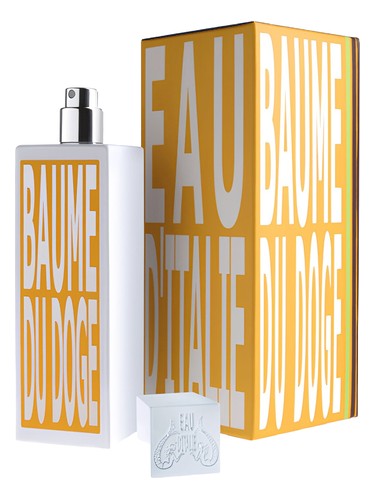
The first spray of Baume du Doge feels like stepping into a Venetian merchant''s vault, circa 1508. This is not a perfume that whispers—it announces itself with the conviction of spice-laden ships returning from the Orient. Cinnamon dominates the opening with almost confrontational warmth, but it''s no simple bakery note. Here, the cinnamon is bolstered by an arsenal of supporting spices: the green, almost soapy brightness of coriander, the tingling heat of pepper, and the mysterious depth of cardamom. Orange and bergamot attempt to lighten the procession, but they''re mere flickers of citrus against an overwhelmingly spiced backdrop. There''s even watercress listed among the opening notes—an unusual inclusion that adds an herbal, slightly bitter edge that keeps this from veering into potpourri territory. This is warm spicy at its most unapologetic: 100% of its character, according to community consensus, and those opening moments make abundantly clear why.
The Scent Profile
As Baume du Doge settles into its heart, the composition reveals its true lineage. The spice market gives way to something more sacred, more ancient. Myrrh and olibanum (frankincense) emerge with resinous solemnity, their smoky, balsamic character transforming the perfume from exuberant to contemplative. These are the scents of incense censers and ceremony, grounding the earlier effervescence in something weightier. Cedar provides a woody backbone—dry, pencil-shaving clean—while saffron adds its distinctive leathery, metallic sweetness. This middle phase is where the amber accord (77% of the fragrance''s character) truly begins to glow, that honeyed, fossilized warmth that defines the entire composition.
The base is where Baume du Doge makes its home for hours. Benzoin and vanilla create a resinous sweetness that''s more balsamic than gourmand—think church incense rather than crème brûlée. The vanilla here is restrained, almost austere, allowing the benzoin''s cinnamic richness to take center stage. Vetiver provides an earthy, slightly smoky counterpoint, preventing the sweetness from becoming cloying. What emerges is a fragrance that maintains its warmth and density from opening to drydown, a perfume that refuses to disappear into skin-scent oblivion. The aromatic quality (49%) threads through all stages, that herbal, slightly medicinal character that keeps this firmly in niche territory rather than mass-market appeal.
Character & Occasion
The community has spoken decisively about when Baume du Doge belongs: fall receives a perfect 100% seasonal rating, with winter close behind at 78%. This is a cold-weather companion through and through, its dense spice and amber construction designed for months when breath becomes visible and scarves are essential. Spring earns a modest 36%, suggesting it might work on cooler days, but summer''s mere 17% rating makes clear that heat and Baume du Doge are fundamentally incompatible. This is a perfume that needs atmospheric chill to truly shine, to avoid becoming overwhelming.
Interestingly, despite its intensity, this skews significantly toward daytime wear (84%) over evening (58%). Perhaps it''s the spiced orange opening that feels more brunch than bar, or maybe the amber warmth reads as comforting rather than seductive. Either way, this is a fragrance for walking through autumn markets, for afternoon meetings in wood-paneled rooms, for layering under cashmere. Labeled feminine by the brand, Baume du Doge''s 2008 release predates much of the current gender-neutral conversation, but its aromatic, woody, and spicy character would certainly wear well on anyone drawn to assertive, resinous perfumes.
Community Verdict
With 471 ratings averaging 4.13 out of 5, Baume du Doge has cultivated a devoted following without achieving blockbuster ubiquity. This rating suggests a perfume that rewards those who seek it out, whose particular aesthetic—that uncompromising spice-and-resin combination—resonates deeply with its target audience while potentially alienating others. Nearly five hundred people have taken the time to rate this fragrance, a respectable showing for a niche Italian brand that doesn''t command the marketing budget of mainstream houses. The rating sits in that sweet spot indicating genuine quality without universal appeal, the mark of a perfume with a distinct point of view.
How It Compares
The listed similar fragrances reveal Baume du Doge''s genealogy clearly. Serge Lutens appears twice—with Five O''Clock Au Gingembre and Ambre Sultan—positioning this squarely in the tradition of spice-forward, resinous ambers that defined early niche perfumery. Chanel''s Coromandel offers comparison in terms of that incense-and-amber interplay, while Kenzo Jungle L''Elephant suggests shared DNA in spiced exoticism. Musc Ravageur''s inclusion hints at the vanilla-amber sweetness underlying the composition. Where Baume du Doge distinguishes itself is in that particularly Venetian character—the merchant-republic opulence, the sense of precious materials deployed with both lavishness and restraint. It''s less overtly animalic than Musc Ravageur, more aromatic than Ambre Sultan, and perhaps more accessible than the Lutens offerings while maintaining similar complexity.
The Bottom Line
Baume du Doge is not a beginner''s niche fragrance, nor is it trying to be. This is a perfume for those who''ve already decided they love warm spicy compositions and are seeking a particular expression of that genre—one rooted in historical romance and Italian craftsmanship. The 4.13 rating reflects honest appreciation: this is very good at what it does, though what it does is admittedly specific. For cold-weather daytime wear, for those who find comfort in amber and spice, for anyone drawn to the aesthetic of ancient trade routes and precious resins, this is absolutely worth exploring. It''s not reinventing perfumery—its 2008 release places it in conversation with rather than ahead of the amber-spicy wave—but it''s executing a classic idea with conviction and quality. The unknowns around concentration aside, the longevity and presence suggested by its base notes indicate this is built to last. If you''re assembling a fall and winter rotation and want something that brings genuine warmth without tipping into sweetness, the Doge''s balm deserves a place in consideration.
AI-generated editorial review