First Impressions
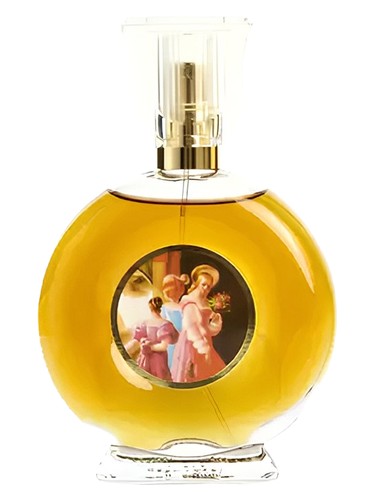
The first spray of Bal à Versailles is like stepping through gilded doors into a chamber where time has stopped somewhere around 1780. There''s an immediate collision of rose and jasmine—not the clean, transparent florals of modern perfumery, but something richer, almost overripe. The citrus notes of bergamot and mandarin orange attempt to provide brightness, but they''re quickly overwhelmed by the weight of what''s to come. This is a fragrance that announces itself without apology, a powdery-amber wave that signals you''ve entered the realm of classical French perfumery at its most extravagant. Within minutes, something unmistakably animalic begins to stir beneath those flowers, a hint of the wildness that made this 1962 creation both scandalous and irresistible.
The Scent Profile
The opening act features an almost baroque arrangement of florals: Bulgarian rose mingles with orange blossom, while jasmine and neroli create a heady sweetness. Rosemary adds an unexpected herbal facet, and cassia brings a subtle spice that keeps the florals from becoming cloying. But these top notes are merely the velvet curtain rising on the main performance.
As Bal à Versailles settles into its heart, the composition reveals its true nature. Leather emerges as a dominant player—not the clean, suede-like leather of contemporary fragrances, but something more primitive and raw. Ylang-ylang adds creamy, banana-like sweetness while sandalwood and orris root provide a powdery sophistication. Patchouli, vetiver, and a whisper of lilac and lily-of-the-valley create complexity, but make no mistake: this middle phase is where the fragrance earns its 42% animalic accord rating.
The base is where Bal à Versailles truly lives up to its name as an amber fragrance (rated at 100% for this accord). Civet—that notorious animalic ingredient—joins forces with resins, tolu balsam, benzoin, and vanilla to create a warm, almost feral sweetness. Amber and musk provide depth, while cedar adds a woody backbone. This is perfumery from an era when restraint was considered a missed opportunity, when perfumes were meant to create an aura that preceded and lingered long after the wearer.
Character & Occasion
The data tells a clear story: Bal à Versailles is a cold-weather creature. With winter scoring 91% and fall at 87%, this is emphatically not a fragrance for humid afternoons or casual summer days (a mere 17% summer rating confirms this). The 49% woody and 61% powdery accords create density and warmth that flourish when temperatures drop.
The day/night split is equally revealing—45% day versus 100% night. While you could wear this during daylight hours, Bal à Versailles truly comes alive after dark. This is a fragrance for opera houses and intimate dinners, for evening events where drama is not just acceptable but expected. The 33% balsamic and 41% musky qualities create a sensuality that feels deliberately nocturnal.
This is unequivocally a fragrance for those who appreciate perfumery''s animalic heritage. If your taste runs toward fresh, clean, or minimalist scents, Bal à Versailles will feel overwhelming. But for those who mourn the loss of vintage perfumery''s boldness, this is a living archive of what fragrance used to be.
Community Verdict
The r/fragrance community holds Bal à Versailles in genuine esteem, with sentiment scoring 7.5 out of 10 across 66 opinions. What emerges from the community data is respect for its place in serious collections. It''s described as "a favorite by experienced collectors with refined taste" and recognized as part of "respected niche fragrance houses in curated collections."
The pros are telling: collectors appreciate its quality and craftsmanship, viewing it as representative of traditional, refined perfumery. It''s not a fragrance that generates casual enthusiasm from newcomers; rather, it''s one that seasoned perfume lovers return to with appreciation for what it represents.
The cons are equally instructive: Bal à Versailles appears "infrequently mentioned compared to other fragrances in collections," and there''s "limited discussion in the provided threads." This isn''t necessarily criticism of the fragrance itself, but rather a reflection of its niche appeal. This is not a crowd-pleaser or a safe recommendation for someone building their first collection.
The community consensus positions it clearly: best for "collectors seeking classic niche fragrances" and "those appreciating traditional, refined perfumery." The 4.15 out of 5 rating from 2,267 votes suggests that those who seek it out tend to love it, even if it doesn''t have universal appeal.
How It Compares
The similar fragrances list reads like a who''s who of amber and oriental classics: Chanel''s Coco Eau de Parfum, Calvin Klein''s Obsession, Guerlain''s Shalimar, Dana''s Tabu, and Dior''s Dune. These comparisons situate Bal à Versailles firmly in the tradition of powerful, complex orientals built on amber, resins, and animalic notes.
Where Shalimar offers vanilla-forward elegance and Obsession delivers 1980s intensity, Bal à Versailles occupies a space that''s simultaneously more baroque and more raw. It predates Obsession by over two decades and stands as a clear influence on that entire category of unapologetic, statement-making feminines.
The Bottom Line
With a rating of 4.15 from over 2,200 voters, Bal à Versailles has earned its status as a classic, though it''s important to note this score comes from self-selecting admirers rather than casual samplers. This is not a fragrance to blind-buy based on curiosity alone.
Who should try it? If you treasure vintage Shalimar, if you wish modern perfumes had more backbone, if words like "animalic" and "powdery amber" excite rather than repel you—then Bal à Versailles deserves your attention. It''s a masterclass in old-world perfumery, a reminder that fragrances once aimed to intoxicate rather than merely please.
Who should avoid it? Anyone seeking freshness, subtlety, or mass appeal. This is a polarizing fragrance that refuses to compromise its vision for broader accessibility.
Bal à Versailles is not just a perfume; it''s a time capsule, a philosophical statement about what fragrance can be when unbound by modern constraints. In an era of focus-grouped safe bets, it remains defiantly, magnificently itself.
AI-generated editorial review