First Impressions
The first spray of Azzaro Pour Homme Night Time delivers exactly what you''d hope for from a fragrance bearing the "Night Time" moniker—a bold, confident opening that commands attention. Rhubarb and bitter orange converge in an unexpected alliance, creating a tart, vegetal greenness cut through with citrus brightness. This isn''t the sweet, candied rhubarb of desserts; it''s the raw, fibrous stalk with all its astringent character intact. The bitter orange adds a sophisticated edge, its peel oils releasing that distinctive sharp-sweet aroma that signals something interesting is about to unfold. On a test strip, this opening is genuinely compelling, promising an evening of aromatic complexity.
The Scent Profile
The evolution of Azzaro Pour Homme Night Time follows a trajectory that should, in theory, create a modern masculine classic. After that striking opening settles—roughly fifteen to twenty minutes in—nutmeg and pepper emerge from the heart, building on the fresh spicy accord that dominates this composition at a full 100% intensity. The nutmeg brings warmth without sweetness, its slightly camphorous quality adding depth, while the pepper provides crackling heat that keeps the fragrance from becoming too smooth or safe.
This spicy heart represents the fragrance at its most successful moment, where the aromatic accord (80%) and the lingering citrus notes (79%) create a sophisticated interplay. There''s a green quality running through the development (68%), likely a combination of the rhubarb''s vegetal nature and the preparation for what''s to come in the base.
The drydown introduces Virginia cedar and vetiver, contributing to the substantial woody accord that registers at 83%. The cedar provides structure—think pencil shavings and closet interiors—while the vetiver adds its characteristic earthy, slightly smoky character. Together, they should anchor the composition beautifully, creating that masculine foundation expected from a fragrance designed for evening wear. The fruity note (51%) likely comes from the interplay of the rhubarb and citrus elements persisting into the base.
Character & Occasion
Azzaro Pour Homme Night Time makes its intentions clear: this is emphatically an evening fragrance, scoring a perfect 100% for nighttime wear versus just 51% for daytime use. It''s designed for cooler weather, performing optimally in fall (93%) and winter (81%), with respectable showings in spring (69%) but dropping considerably in summer months (34%). This seasonal profile makes sense—the fresh spicy and woody accords demand the crispness of autumn air or the enclosed intimacy of winter venues.
The target wearer is someone seeking a sophisticated alternative to mainstream masculines, a man comfortable with more unconventional opening notes and spicy complexity. This should be the fragrance for dinner reservations, evening events, late meetings that turn into something more interesting. The composition suggests confidence, maturity, and a willingness to wear something a bit different from the crowd.
Community Verdict
Here''s where things take an unexpected turn. Despite a respectable overall rating of 3.91 out of 5 from 644 voters, the Reddit fragrance community tells a more complicated story, assigning it a notably negative sentiment score of just 3.5 out of 10.
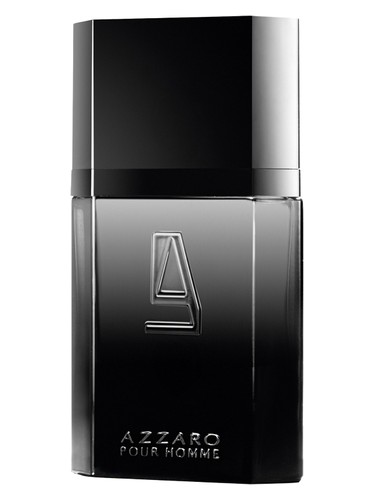
The disconnect is fascinating and specific: users consistently praise the bottle design and report that the fragrance smells pleasant—even impressive—on paper test strips. Projection and longevity receive positive marks as well, suggesting the technical performance isn''t the issue.
The problem emerges when the fragrance meets skin. Community members report poor performance compared to its behavior on paper, with strong leather notes (interestingly not listed in the official note breakdown) that don''t translate well when actually worn. Multiple users describe difficulty enjoying the scent despite initially finding it appealing. The consensus recommendation? This fragrance works better as a display piece for collections, for sampling on paper, or perhaps as a gift for someone specifically drawn to leather-heavy compositions—but not necessarily for regular wear.
This paper-versus-skin phenomenon suggests significant chemistry issues, where the fragrance''s composition reacts unpredictably with body heat and individual skin chemistry.
How It Compares
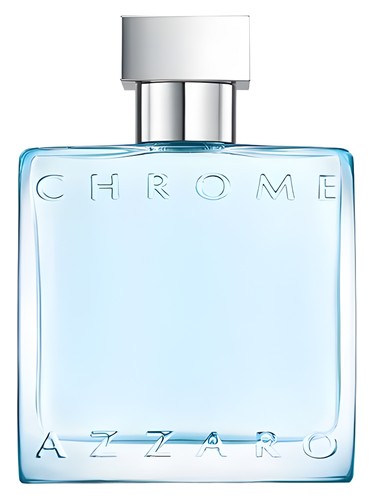
Azzaro Pour Homme Night Time sits in distinguished company among its similar fragrances: Terre d''Hermès, Chrome by Azzaro, Bleu de Chanel, Drakkar Noir, and L''Eau d''Issey Pour Homme. These are heavy hitters representing both classic and modern masculine perfumery. While it shares the fresh spicy and woody territories with Terre d''Hermès and the aromatic profile with Drakkar Noir, Night Time attempts to carve its own path with that unusual rhubarb opening.
However, where these comparable fragrances have achieved either iconic status or consistent wearability, Night Time occupies an unfortunate middle ground—interesting enough to garner attention, but troubled by execution issues that prevent it from joining the ranks of true wardrobe staples.
The Bottom Line
Azzaro Pour Homme Night Time presents a curious case study in fragrance development: a composition with genuinely interesting ideas, solid technical specifications, and attractive presentation that somehow fails to deliver a satisfying wearing experience for most users. That 3.91 rating from 644 voters suggests casual buyers find it acceptable, but the more engaged community''s negative sentiment reveals deeper issues.
Should you try it? Absolutely sample it on a test strip—you''ll likely appreciate the creative note selection and confident spicy-woody construction. But before committing to a bottle, conduct extended skin tests. If you''re among those whose chemistry plays well with whatever creates those reported leather notes, you might find a unique evening fragrance. For most, however, this remains a fragrance more admirable in concept than in execution—a night time flanker that perhaps should have stayed in development a bit longer before its 2011 release.
AI-generated editorial review