First Impressions
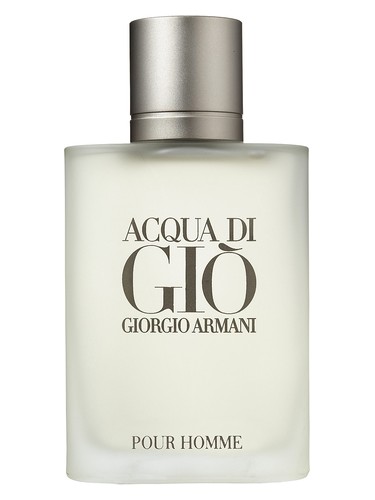
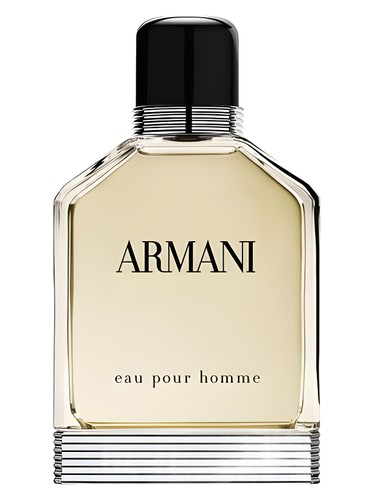
The first spray of Armani Eau Pour Homme is like stepping onto a sun-drenched Italian terrace at mid-morning, when the heat hasn''t yet overwhelmed the freshness of dawn. A brilliant burst of bergamot and mandarin orange floods the senses immediately, but this isn''t the sugar-sweet citrus of contemporary mass-market releases. There''s an herbal sophistication here, courtesy of basil adding a green, slightly peppery edge that prevents the opening from veering into predictable territory. This is citrus with backbone, a statement of intent that signals Giorgio Armani''s 2013 reinterpretation isn''t about chasing trends—it''s about refining a classic formula for the modern gentleman who appreciates restraint over spectacle.
The Scent Profile
The dominant citrus accord that defines this fragrance (registering at a perfect 100% in community assessments) maintains its presence throughout the wear, but it''s the evolution into the heart that reveals Armani''s compositional intelligence. As the bergamot and mandarin begin their inevitable fade—perhaps thirty minutes in—the fresh spicy character (96%) emerges with authority. Cloves and nutmeg bring warmth without weight, a delicate balance that''s surprisingly difficult to achieve. These spices don''t announce themselves with bombast; instead, they weave through the citrus like sunlight filtering through linen curtains.
The inclusion of lily in the heart notes is particularly intriguing, providing a subtle floral softness that rounds out what could otherwise become too sharp or masculine in the conventional sense. This isn''t a floral you''ll necessarily identify by name, but you''ll notice its effect—a smoothness, an approachability that makes the fragrance feel lived-in rather than formal.
The base is where traditional masculinity asserts itself more decisively. Oakmoss, sandalwood, and patchouli form a woody-mossy foundation (52% woody, 43% mossy) that grounds the brightness of the opening in earthy sophistication. The oakmoss, constrained by modern IFRA regulations, still manages to provide that classic chypre-adjacent character that connects this 2013 release to fragrance history. The sandalwood adds creamy depth, while patchouli—thankfully restrained—contributes darkness without muddiness. By the four-hour mark, you''re left with a warm, slightly aromatic skin scent that feels like quality fabric rather than loud cologne.
Character & Occasion
This is emphatically a daytime fragrance, with community data showing 100% day suitability versus just 38% for evening wear. That assessment rings absolutely true. Armani Eau Pour Homme belongs to mornings at the office, weekend lunches, gallery openings at three in the afternoon—situations that call for presence without proclamation. It''s the fragrance equivalent of a perfectly tailored Oxford shirt: appropriate everywhere, offensive nowhere, yet distinctly stylish.
Seasonally, this excels in spring (95%) and summer (91%), which makes perfect sense given that citrus-forward composition. The freshness that defines the opening hours becomes genuinely refreshing in warm weather, never cloying or heavy. Fall (72%) works surprisingly well too, as those spicy middle notes and woody base can handle moderate temperature drops. Winter (27%) is where this struggles—it simply lacks the projection and warmth needed to cut through cold air and heavy clothing.
The ideal wearer? A man who''s moved past the need to announce himself with fragrance, who understands that sophistication often means knowing when to whisper rather than shout. This isn''t for the twenty-year-old looking to make an impression at the club; it''s for the professional who wants to smell clean, refined, and subtly expensive without trying too hard.
Community Verdict
With a solid 4.17 out of 5 rating across 1,138 votes, Armani Eau Pour Homme has earned genuine community respect. That''s a significant sample size, and the rating suggests broad appeal without polarization. This isn''t a fragrance that inspires passionate devotion or vocal hatred—it''s simply very good at what it attempts to do. The consistency of that assessment speaks to reliability, to a composition that works for many people across many situations. In a market flooded with attention-seeking releases, that kind of dependable quality shouldn''t be undervalued.
How It Compares
The lineup of similar fragrances reads like a who''s who of modern masculine classics: Eau Sauvage, Terre d''Hermès, Bleu de Chanel, L''Eau d''Issey Pour Homme, Guerlain''s Vetiver. That''s distinguished company, and Armani Eau Pour Homme holds its own without directly copying any of them. It shares Eau Sauvage''s citrus-herbal elegance but with more pronounced spice. It has Terre d''Hermès''s sophisticated restraint but trades that fragrance''s distinctive orange-vetiver signature for broader citrus and moss. Compared to Bleu de Chanel, it''s less aggressively modern and synthetic-feeling, more rooted in natural-smelling accords. Where does it stand in this category? Comfortably in the upper tier—not revolutionary, but exceptionally well-executed.
The Bottom Line
Armani Eau Pour Homme (2013) succeeds by understanding its lane and staying in it with confidence. This is refined Italian tailoring translated into liquid form—classic construction, quality materials, impeccable finish. At 4.17 out of 5, it delivers exactly what that rating suggests: very good performance without significant flaws. It won''t be everyone''s signature scent, but it''s hard to imagine anyone actively disliking it.
Who should seek this out? Men who appreciate fragrances like Eau Sauvage but want something with slightly more presence. Professionals building a rotation of quality daytime scents. Anyone who''s tired of overly sweet, overly loud, or overly trendy releases and wants to return to fundamental elegance. For spring and summer wear, this is an easy recommendation—versatile, appropriate, and genuinely pleasant to wear. Just don''t expect it to perform miracles in December.
AI-generated editorial review