First Impressions
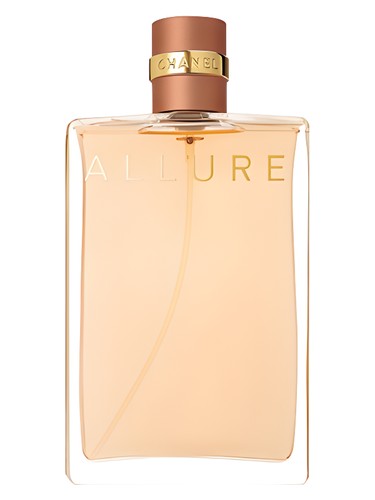
The first spray of Chanel Allure Eau de Parfum delivers a promise: this is complexity made approachable. There''s an immediate burst of citrus—bright, clean, almost effervescent—that feels like sunlight filtering through sheer curtains. But within moments, something more substantial emerges. The florals arrive not as a whisper but as a confident statement, while a whisper of vanilla in the background suggests warmth to come. This is a fragrance that introduces itself with optimism yet hints at the sophistication waiting beneath the surface. It''s the olfactory equivalent of a perfectly tailored blazer: structured enough to command respect, comfortable enough to wear every day.
The Scent Profile
Allure Eau de Parfum operates on a fascinating structural principle—it leads with brightness but never abandons depth. The citrus accord dominates at full intensity, creating that initial sparkle that makes the fragrance feel perpetually fresh. This isn''t a fleeting top note that vanishes within minutes; the citrus threading remains perceptible throughout the wear, acting as a continuous brightening agent to everything that follows.
The floral heart, registering at a substantial 84% intensity, forms the fragrance''s true character. These aren''t the shy, powder-room florals of vintage femininity, nor are they the aggressive white florals that announce your presence before you enter a room. Instead, they occupy a middle ground—present, rounded, and remarkably well-blended. The white floral component at 66% adds creaminess without tipping into the heavy territory of gardenia or tuberose bombs. There''s a softness here, a kind of luminous quality that feels deliberately modern.
What makes Allure particularly interesting is how vanilla (62% intensity) and fruity notes (54%) weave through the composition. The vanilla never takes center stage but rather provides a subtle sweetness that prevents the florals from becoming too austere. Meanwhile, the fruity elements add juiciness without reading as explicitly gourmand. A woody base at 49% grounds everything, providing just enough structure to keep the lighter elements from floating away entirely. The result is a fragrance that feels complete at every stage—there''s no waiting for "the good part" to develop.
Character & Occasion
The data tells a compelling story about when Allure truly shines. This is unequivocally a cooler-weather fragrance, scoring perfectly for fall and at 92% for winter. That vanilla-woody foundation likely explains this seasonal preference—in the cold months, those warmer base notes bloom against skin without becoming cloying. Spring registers at a respectable 59%, suggesting it can transition into milder weather, though summer at only 33% indicates the composition might feel too rich when temperatures climb.
The day-to-night versatility is where Allure reveals its true genius. At 100% for daytime wear, it clearly excels in professional and casual settings—that citrus-forward opening keeps it office-appropriate and unobtrusive. Yet at 79% for evening, it demonstrates enough depth and sophistication to carry into dinner, dates, or cultural events. This is the fragrance for someone who doesn''t want to maintain a vast wardrobe of scents for every micro-occasion.
Who is Allure for? The woman who values reliability without boring predictability. She might be navigating back-to-back meetings followed by evening plans, needing something that won''t require a midday reapplication or complete wardrobe change. She appreciates luxury but isn''t interested in fragrances that scream their price point.
Community Verdict
With 9,140 votes averaging 4.13 out of 5, Allure Eau de Parfum has earned solid respect from a substantial community. This isn''t a niche darling with 200 passionate devotees, nor is it a polarizing statement fragrance that half the population adores and half despises. Instead, it''s achieved something arguably more difficult: broad appeal with genuine quality.
That rating suggests consistency—most wearers find it delivers on its promises without major disappointments. The high vote count indicates staying power in the market; for a fragrance launched in 1999, maintaining this level of community engagement speaks to either continued relevance or a loyal following that has made it a signature scent over decades.
How It Compares
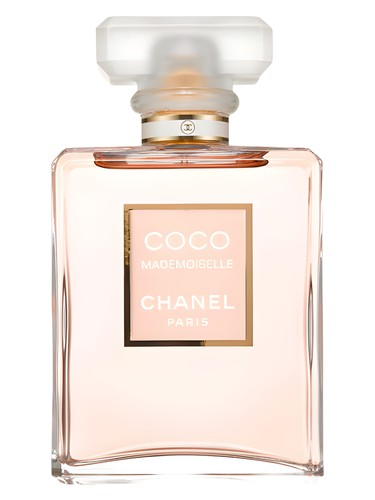
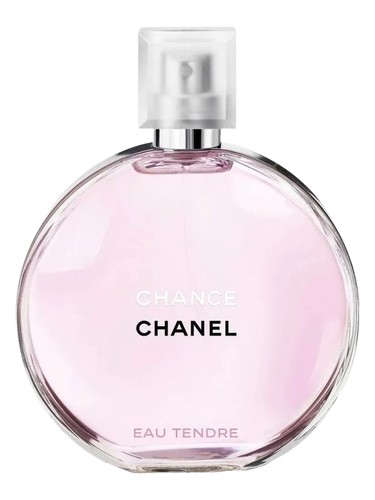
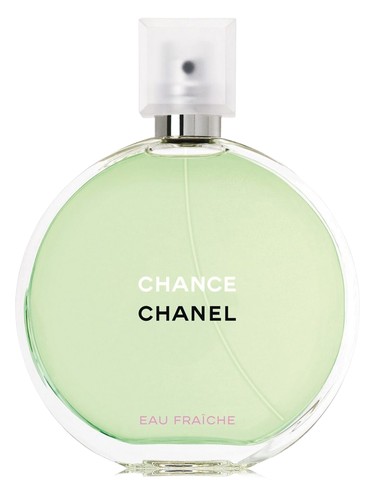
Allure Eau de Parfum sits within a constellation of luminous, versatile fragrances that defined turn-of-the-millennium femininity. Its closest relative is, unsurprisingly, the original Allure by Chanel, though the Eau de Parfum concentration offers greater projection and longevity. Chance Eau Tendre represents a lighter, more playful interpretation of similar citrus-floral themes, while Coco Mademoiselle skews younger and more overtly sensual.
The comparison to Dior''s J''adore and Dior Addict positions Allure within the "accessible luxury" category—fragrances from heritage houses that command respect without alienating mainstream wearers. Where J''adore leans heavily into opulent white florals and Dior Addict embraces a silkier vanillic quality, Allure maintains its citrus brightness as a distinguishing feature. It''s arguably the most "daylight-friendly" of these comparisons.
The Bottom Line
Allure Eau de Parfum represents Chanel''s mastery of the wearable masterpiece—a fragrance with enough character to be interesting but sufficient restraint to be truly versatile. The 4.13 rating reflects exactly what this fragrance is: very good, consistently pleasing, occasionally great depending on context, but perhaps not transcendent.
For someone building a curated fragrance wardrobe, this occupies the essential "sophisticated daily wear" slot. It''s the fragrance you reach for when you want to smell deliberately good without making your scent the focal point of your presentation. The fall and winter seasonality makes it particularly valuable for professional environments during those months when you need something warmer than summer colognes but less intense than evening orientals.
Should you buy it? If you find yourself frustrated by fragrances that either bore you with their simplicity or overwhelm with their complexity, Allure likely hits your sweet spot. It won''t be your most exciting bottle, but it might become your most reliable one—and there''s considerable value in that consistency.
AI-generated editorial review