First Impressions
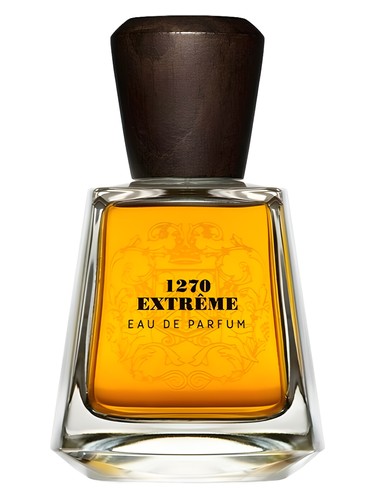
The first spray of 1270 Extrême announces itself with an unexpected duality—the bright, sun-drenched sweetness of pineapple and apple colliding with the resinous, almost piney sharpness of elemi. This isn''t the delicate fruit basket of conventional feminine perfumery. Instead, Frapin has conjured something more architectural, more deliberate. The bergamot weaves through like a thread of silk, tempering the tropical exuberance with citrus refinement. Within moments, you understand this fragrance''s ambition: to marry the orchard with the forest, the bright with the shadowed, creating a woody-fruity composition that refuses to choose between femininity and force.
There''s an immediate richness here that hints at the house''s cognac heritage—that same philosophy of aging precious things in oak, of allowing sweetness to deepen into complexity. The fruit notes don''t sparkle and disappear; they hold their ground, preparing you for the transformation ahead.
The Scent Profile
The opening act belongs to the fruits, but not for long. Pineapple and apple create a lush, almost juice-like sweetness, their brightness amplified by bergamot''s sparkling citrus. The elemi resin adds an intriguing counterpoint—peppery, slightly medicinal, and aromatic in a way that prevents the composition from veering into gourmand territory too quickly. This top note phase feels intentionally brief, a vibrant prelude to deeper movements.
As the fragrance settles into its heart, the woody architecture begins to dominate. Cedar emerges as a structural pillar, its pencil-shaving dryness creating a framework around which everything else arranges itself. Jasmine sambac brings white floral elegance, though it never overwhelms—instead, it adds a creamy, slightly indolic sweetness that bridges the gap between fruit and wood. The rose note whispers rather than shouts, lending a subtle powdery quality. Most intriguing is the vine accord, a green, almost earthy element that likely references Frapin''s vineyard roots, adding an unexpected terroir-like character to the blend.
The base is where 1270 Extrême reveals its true nature as a woody powerhouse. Tonka bean and vanilla form a sweet, almost caramellic foundation—comfortable and enveloping without crossing into cloying territory. Guaiac wood contributes a smoky, rose-like woodiness with subtle medicinal facets, while patchouli adds earthy depth and longevity. This isn''t a sharp, aggressive woody base; it''s rounded, warm, and surprisingly cozy. The interplay between the sweet vanilla-tonka pairing and the darker woods creates a scent that''s simultaneously comforting and sophisticated, like a cashmere sweater worn to an evening gallery opening.
Character & Occasion
The community data tells a clear story: 1270 Extrême is a cool-weather companion, scoring perfectly for fall and maintaining strong relevance through winter at 73%. This makes absolute sense—the combination of sweet vanilla, rich woods, and fruity brightness creates the kind of enveloping warmth you crave when temperatures drop. Spring remains viable at 59%, particularly for cooler days, while summer''s 27% rating confirms what your nose already knows: this is too rich, too woody, too warm for heat.
Interestingly, while marketed as feminine, the fragrance wears with a versatility that transcends traditional gender boundaries. The woody dominance (100% in the accord profile) gives it a unisex swagger, though the fruity sweetness and florals keep it anchored in traditionally feminine territory. The day/night split—62% day, 77% night—suggests it adapts well to various occasions but truly comes alive after dark, when its depth and complexity can be fully appreciated in intimate settings.
This is a fragrance for someone who appreciates woody scents but wants something more nuanced than austere cedar or aggressive oud. It suits the person who finds pure gourmands too sweet, pure florals too predictable, and masculine woody fragrances too sharp—someone seeking the intersection of all these elements.
Community Verdict
With a solid 4.06 out of 5 rating across 388 votes, 1270 Extrême has found its audience. This isn''t niche obscurity with twelve devotees; nearly 400 people have weighed in, and the consensus is decidedly positive. The rating suggests a fragrance that delivers on its promises without being universally appealing—which, for a woody-fruity composition this bold, is exactly right. Some will find the woody dominance too masculine; others might want more fruit or less sweetness. But for those whose preferences align with its vision, the high rating indicates genuine satisfaction.
How It Compares
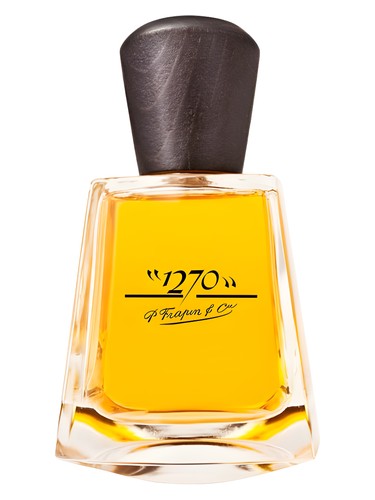
The listed similarities offer useful context. The connection to Frapin''s own 1270 is obvious—this appears to be an intensified, sweeter, more explicitly woody interpretation of that signature. Gris Charnel by BDK Parfums shares the woody-vanilla warmth, while Cedrat Boise by Mancera offers another woody-fruity-fresh option, though typically with more citrus prominence. Ani by Nishane brings vanilla and spice to the conversation, and Tom Ford''s Noir Extrême represents the mainstream luxury take on sweet, warm, fruity-woody compositions.
What distinguishes 1270 Extrême is its particular balance—woodier than most fruity fragrances, fruitier than most woody scents, with a distinctly European refinement that sets it apart from more opulent Middle Eastern compositions or more minimalist niche offerings.
The Bottom Line
At 4.06 out of 5, Frapin 1270 Extrême succeeds at a difficult balancing act, creating a woody fragrance softened by fruit and sweetness without sacrificing its structural integrity. It''s not trying to be all things to all people—that 27% summer score proves it knows exactly what it is. Instead, it confidently stakes its claim as a cool-weather, versatile-but-sophisticated woody-fruity scent that works equally well for daytime confidence and evening allure.
This is worth exploring if you''re drawn to the woody-fruity category but find yourself wanting more depth than typical offerings provide. The Frapin heritage shows in the composition''s maturity—nothing feels hurried or superficial. Whether it justifies its place in your collection depends on whether you need this specific intersection of orchard brightness and forest shadow, but for those who do, the community''s enthusiasm suggests you''ll find it well-executed.
AI-generated editorial review