First Impressions
The first spray of 08 Une Rose Chypree announces itself with an almost confrontational blast of spice and citrus—this is no demure rose waiting to be discovered. Bay leaf cuts through the air with its sharp, slightly medicinal edge, while cinnamon adds a warming bite that feels more kitchen than garden. Beneath this assertive opening, citrus notes—clementine, bergamot, and lemon—sparkle like light catching on frost. This is a rose fragrance that begins by making you forget entirely about roses, establishing instead a fresh-spicy territory that feels both autumnal and utterly alive. Andy Tauer, known for his bold compositional hand, wastes no time in declaring his intentions: this will be a rose reimagined, not rehashed.
The Scent Profile
The opening act of bay leaf and cinnamon creates an aromatic shield around the wearer, with the citrus trio providing brightness without sweetness. This isn''t the candied clementine of gourmand fragrances; it''s tart, slightly bitter, and thoroughly adult. The bergamot brings its characteristic Earl Grey quality, while lemon adds a clean sharpness that keeps the spices from becoming too heavy. It''s an unconventional beginning for a rose fragrance, but it sets the stage beautifully for what follows.
As the spices begin to settle—and they take their time doing so—the heart reveals itself in layers. Bulgarian rose emerges first, its deeply honied, slightly jammy character offset immediately by the greener, more astringent quality of bourbon geranium. This isn''t a soliflore rose; it''s a rose portrait painted in earth tones and shadows. The geranium adds a minty, almost metallic facet that keeps the florals from veering into traditional femininity. Together, these elements create a rose that feels less like a bouquet and more like a single perfect bloom found growing wild in an unexpected place—perhaps pushing through the leaf litter of a forest floor.
The base is where Une Rose Chypree fully reveals its chypre credentials. Oakmoss provides that essential bitter-green backbone, though reformulation realities mean it''s supported by a quartet of other base notes to create the classic chypre feel. Patchouli adds earthiness without overwhelming, while labdanum contributes a leathery, ambery warmth. Vetiver brings its smoky, rooty character, and a whisper of vanilla rounds the edges without sweetening the composition. This base develops slowly and lasts impressively, transforming the bright opening into something moodier, more introspective, and decidedly nocturnal.
Character & Occasion
The community data tells a clear story: this is an autumn fragrance first and foremost, with winter running a close second. With only moderate scores for spring and a minimal 27% for summer, Une Rose Chypree clearly prefers cooler weather. The fresh-spicy and aromatic accords that dominate the composition need crisp air to truly sing—in heat, they might become overwhelming.
The day-to-night split is particularly interesting: 74% suitable for day versus 88% for night. This fragrance clearly comes alive as the sun sets, its complexity and depth finding their natural home in evening settings. Yet it''s perfectly wearable during daylight hours, especially in fall and winter when the boundaries between day and evening blur early. Think of it as a fragrance that could accompany you from a late afternoon walk through fallen leaves straight into dinner by candlelight.
While categorized as feminine, the fresh-spicy and aromatic dominance (100% and 85% respectively) creates a profile that could easily be worn by anyone who appreciates complexity over conventional gender boundaries. The rose accord, at 82%, is present but never precious—it''s too thoroughly grounded in moss and spice for that.
Community Verdict
With a solid 4.11 out of 5 stars from 621 votes, Une Rose Chypree has earned genuine respect from its wearers. This isn''t a fragrance that polarizes—it''s too well-crafted for that—but rather one that rewards those willing to explore beyond mainstream offerings. The rating suggests consistent quality and a dedicated following, though perhaps not the universal appeal of safer, more commercial releases. For a niche offering from an independent perfumer, this level of community approval speaks to both artistic vision and wearability.
How It Compares
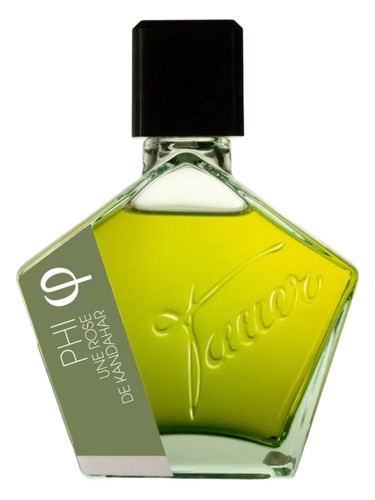
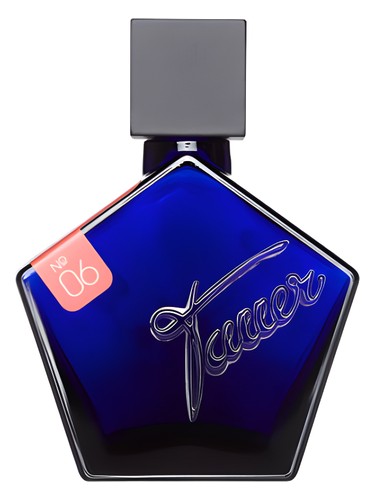
The similar fragrances list reads like a who''s who of sophisticated rose compositions: Amouage''s Lyric Woman, Guerlain''s legendary Mitsouko, Serge Lutens'' La Fille de Berlin, and two siblings from Tauer''s own line—06 Incense Rose and PHI Une Rose de Kandahar. This company places Une Rose Chypree firmly in the camp of literary, artistic rose interpretations rather than pretty florals. Where it distinguishes itself is in that assertive opening and the particular balance of fresh spice and aromatic elements. While Mitsouko offers the definitive peach-touched chypre and Lyric Woman layers on aldehydes and orientalism, Une Rose Chypree takes a more straightforward—if that word can apply to something this complex—approach to marrying rose with classic chypre structure.
The Bottom Line
08 Une Rose Chypree succeeds brilliantly at what it sets out to do: present rose not as a symbol of romance or femininity, but as a serious compositional element within a thoroughly modern chypre framework. The strong community rating reflects a fragrance that delivers on its promises without compromise. This isn''t a safe reach for someone seeking their first rose fragrance—the opening alone might startle those expecting softness—but for anyone who finds traditional rose scents too one-dimensional, it''s worth serious consideration.
At Tauer Perfumes'' typically reasonable price point for niche fragrances, and with the longevity and projection the brand is known for, it represents solid value. Those who already love any of the comparison fragrances should seek this out immediately. Those new to sophisticated roses might want to sample first, but they''ll likely find themselves captivated by a fragrance that refuses to choose between beauty and complexity, offering both in equal measure.
AI-generated editorial review