First Impressions
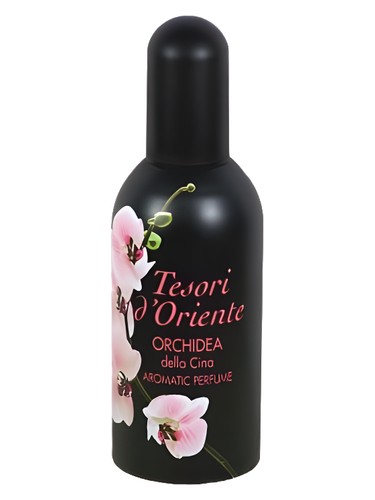
The first mist of Orchidea della Cina arrives with a bright, almost cheerful contradiction: sun-warmed citrus mingling with the whisper of something sweeter, darker, more mysterious. There''s an immediate juiciness—mandarin and orange dancing with blackcurrant—that feels refreshingly uncomplicated. This isn''t a fragrance that announces itself with pretension. Instead, it extends a welcoming hand, inviting you into a world where Italian accessibility meets an interpretation of Eastern florals that''s more fantasy than authenticity, and none the worse for it.
Within moments, that opening citrus burst begins its graceful retreat, making way for the heart that gives this fragrance its name. The orchid emerges not as a botanical study but as a creamy, slightly indolic impression—the kind of white floral that feels both clean and subtly skin-like. This is where Tesori d''Oriente shows its hand: this is a perfume designed for pleasure, not botanical accuracy.
The Scent Profile
The opening act of orange, mandarin, and cassis creates a luminous, slightly tart introduction that lasts just long enough to intrigue. The citrus here isn''t sharp or fleeting; there''s a roundness to it, a sweetness that hints at the gourmand tendencies waiting in the wings. The cassis adds a berry-like depth that bridges the gap between the bright top and the floral heart with surprising finesse.
As the fragrance settles into its second act, the white floral bouquet unfolds with impressive presence. Orchid takes center stage, supported by a lush arrangement of tiare flower, jasmine, and orange blossom. The effect is decidedly powdery—70% according to community consensus—creating that softly blurred quality that recalls vintage face powder compacts and silk slips. The tiare flower brings a coconut-adjacent creaminess, while jasmine adds just enough indolic richness to keep things interesting. Orange blossom weaves through it all, connecting back to those citrus origins while amplifying the white floral intensity.
The dry-down is where Orchidea della Cina reveals its true contemporary character. Musk and sandalwood provide a soft, woody foundation that grounds all that floral sweetness without overwhelming it. But the stars of the base are undoubtedly vanilla, praline, and a touch of myrrh. The praline note transforms this from a straight white floral into something decidedly sweeter—100% sweet according to the dominant accord. It''s not cloying, but it''s unmistakably indulgent. The myrrh adds a resinous whisper that prevents the sweetness from becoming one-dimensional, while vanilla wraps everything in a familiar, comforting embrace.
Character & Occasion
This is emphatically a daytime fragrance, perfectly suited for spring and summer wear. The community data confirms what the composition suggests: 91% spring suitability and 67% summer, with 100% approval for daytime wear versus just 37% for evening. These aren''t arbitrary numbers—they reflect the reality of a fragrance that shines in natural light and warm weather.
Picture this on a morning coffee run, during a garden party, at a weekend brunch, or floating through an afternoon shopping trip. The white floral sweetness feels appropriate for casual elegance rather than formal occasions. It''s feminine without being coquettish, sweet without being juvenile, and accessible without being forgettable.
The powdery quality makes it office-appropriate for more creative or casual workplaces, though in conservative corporate settings, the sweetness might read as too informal. This is a fragrance for someone who wants to smell lovely without making a statement, who appreciates beauty in approachability.
Community Verdict
With a rating of 3.59 out of 5 based on 738 votes, Orchidea della Cina occupies that interesting middle ground: well-liked but not worshipped, appreciated but not obsessed over. This isn''t a fragrance that polarizes. Instead, it satisfies—and for a brand positioned in the accessible price point, that''s precisely what it should do.
The substantial vote count suggests genuine interest and reach. Nearly 750 people have taken the time to rate this fragrance, indicating it''s found its audience. The rating itself speaks to consistent quality: not groundbreaking, but reliably pleasant. For those seeking a white floral with gourmand leanings that won''t disappoint, this community validation provides reassurance.
How It Compares
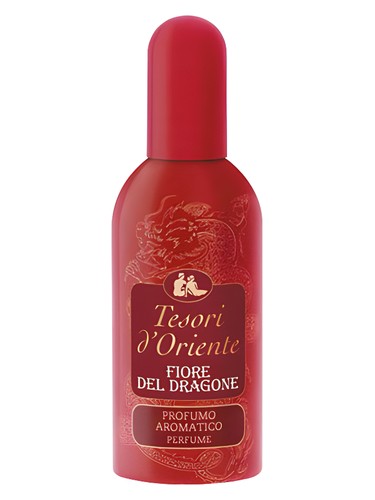
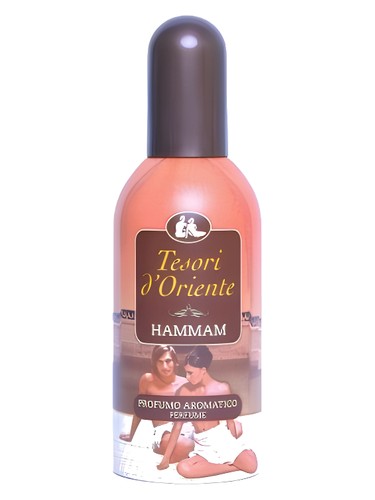
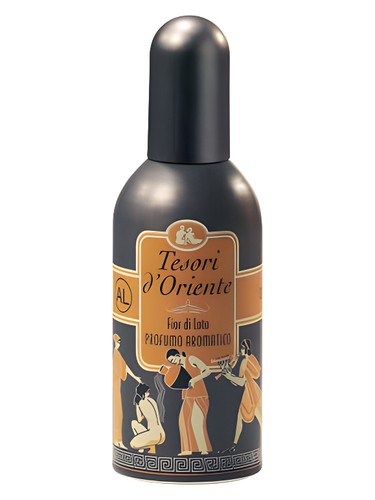
The similarity to Pure Poison by Dior and Hypnôse by Lancôme is telling. While Orchidea della Cina doesn''t match the complexity or longevity of these prestige fragrances, it clearly draws from the same well: that sweet, white floral with powdery undertones that dominated the mid-2000s. Within the Tesori d''Oriente line, it shares DNA with Hammam, Fior di Loto, and Fiore del Dragone—all explorations of different cultural interpretations through an Italian lens.
What sets Orchidea della Cina apart is its particular balance of sweetness and powder. It''s sweeter than Pure Poison, less mysterious than Hypnôse, but more wearable and forgiving than either. It occupies the space where designer aspirations meet drugstore reality—and does so with grace.
The Bottom Line
Orchidea della Cina isn''t trying to revolutionize perfumery, and that''s perfectly fine. It''s a well-constructed, pleasant white floral with enough sweetness and powder to feel comforting and enough citrus brightness to feel fresh. The 3.59 rating reflects exactly what this is: a solid, likeable fragrance that delivers on its promise.
For those building a collection on a budget, this deserves consideration as a daytime spring and summer staple. For fragrance explorers curious about accessible Italian perfumery, Tesori d''Oriente continues to prove that artistry isn''t exclusively the domain of luxury houses. And for anyone who loved the white floral boom of the 2000s but can''t justify prestige pricing, this offers a surprisingly satisfying alternative.
It won''t be your signature scent, but it might just become your reliable companion—and sometimes, that''s exactly what we need.
AI-generated editorial review