First Impressions
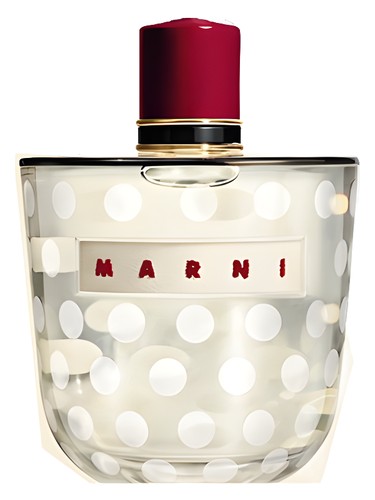
The first spray of Marni''s self-titled fragrance announces itself with the confidence of a woman who knows exactly who she is. There''s no gentle introduction here, no demure whisper of florals—instead, a blast of spices collides with bright bergamot, creating an opening that''s simultaneously sharp and luminous. This isn''t your grandmother''s rose perfume, nor is it trying to be. From that initial moment, you understand that Marni has translated its fashion house''s idiosyncratic, intellectual aesthetic into olfactory form: unconventional, warm, and unapologetically bold.
The heat rises almost immediately, as if you''ve stepped from a crisp autumn street into a spice merchant''s shop, where bags of cardamom split open next to bundles of cinnamon bark. It''s the kind of opening that makes you lean in closer to your wrist, intrigued by its refusal to play by traditional feminine fragrance rules.
The Scent Profile
Marni''s composition unfolds like a carefully orchestrated progression from light to shadow. The bergamot in the opening provides just enough citrus brightness to prevent the spices from overwhelming, acting as a spotlight that illuminates rather than dominates. These initial spices—unspecified but clearly present—have a dried, almost dusty quality that suggests whole spices rather than their extracted oils.
The heart is where Marni truly reveals its complexity. Rose oil emerges as the central character, but this is rose reimagined through an Eastern lens. Cardamom weaves through the petals with its eucalyptus-tinged sweetness, while cinnamon adds a red-hued warmth that borders on the gourmand without ever crossing into dessert territory. This isn''t the jammy Turkish rose of traditional orientals, nor the fresh garden rose of spring fragrances. Instead, it''s rose as incense, rose as meditation, rose that has been dried and preserved in precious wood boxes.
The dry down is where Marni settles into its true character: a woody, resinous embrace built on incense, patchouli, cedar, and vetiver. The incense brings a smoky, church-like solemnity, while the patchouli—mercifully not the head-shop variety—provides earthy depth. Cedar and vetiver form the structural foundation, creating a base that''s unmistakably woody but never aggressively masculine. This combination allows the spices and rose from earlier to linger as memories rather than main attractions, creating a scent that evolves into something contemplative and sophisticated.
Character & Occasion
With warm spicy notes at full intensity and woody accords following close behind, Marni is unequivocally an autumn perfume. The data confirms what your nose suspects: this is a fragrance that comes alive when leaves begin to turn, achieving perfect harmony with fall weather. Winter claims a strong second place at 62%, where Marni''s incense and spice notes provide olfactory insulation against cold winds. Spring wearability drops to 48%—manageable during cooler spring days, though perhaps too heavy when temperatures rise. Summer, at 29%, is clearly not Marni''s season; this is a fragrance that wilts in humidity.
The day/night data reveals Marni''s versatility within its seasonal comfort zone. At 97% suitable for daytime wear, it proves that spicy doesn''t automatically mean evening-only. There''s a professional polish to Marni that translates well to offices, museums, and afternoon meetings. Yet with 56% night appropriateness, it transitions smoothly into dinner reservations and gallery openings. It''s this balance—distinctive without being loud, complex without being difficult—that makes Marni particularly wearable.
This is a fragrance for women who appreciate fashion as art rather than trend, who prefer Comme des Garçons to fast fashion, who might have a collection of ethnic jewelry or vintage silk scarves. It''s for those who find traditional femininity limiting and seek something more intellectually engaging from their perfume wardrobe.
Community Verdict
The data presents an unusual situation: while Marni has garnered 508 ratings with a solid 4.05 out of 5 score, the Reddit fragrance community discussions reviewed here contain no substantive conversation about this particular scent. This silence itself tells a story—Marni exists in that interesting space of being well-rated by those who''ve worn it, yet flying under the radar of the most vocal online fragrance communities.
The absence of community chatter could indicate several things: perhaps Marni''s 2012 release places it in that awkward middle ground between vintage classic and contemporary release, too old to generate new-release buzz but too recent to inspire nostalgia. The lack of both passionate advocates and vocal critics suggests a fragrance that satisfies quietly rather than polarizes dramatically.
How It Compares
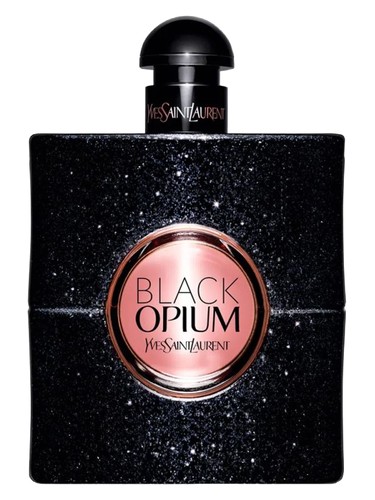
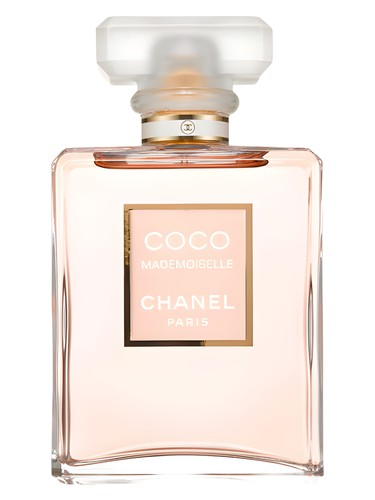
The similar fragrances list reads like a who''s-who of sophisticated spicy florals: Tom Ford''s Black Orchid, Serge Lutens'' Feminité du Bois, Chanel''s Coco Eau de Parfum, Dior''s Dune, and Guerlain''s Shalimar. This company places Marni firmly in the luxury spicy-woody category, though it distinguishes itself through its particular balance of cardamom and rose.
Where Black Orchid goes darker and more overtly sensual, Marni maintains a certain intellectual distance. Against Feminité du Bois, Marni trades cedar dominance for more balanced woody notes. Compared to Coco''s baroque richness, Marni feels more modern and streamlined. It lacks Dune''s oceanic freshness and Shalimar''s vanilla sweetness, carving its own path through drier, more austere territory.
The Bottom Line
A 4.05 rating from over 500 voters suggests Marni has found its audience, even if that audience isn''t particularly vocal online. This is a well-crafted fragrance that delivers exactly what its note pyramid promises: sophisticated spicy warmth anchored by quality woods and incense.
The value proposition depends on availability—Marni fragrance distribution can be spotty, and pricing varies accordingly. For those who can find it, you''re getting a distinctive fall and winter fragrance that won''t have you smelling like everyone else at the office or dinner party.
Who should try Marni? Anyone seeking a rose fragrance that subverts expectations, fans of spicy woodies who want something more nuanced than typical orientals, and those building a wardrobe of cooler-weather fragrances that lean artistic rather than commercial. This is a thinking person''s perfume—not difficult or avant-garde, but thoughtful, composed, and refreshingly individual.
AI-generated editorial review