First Impressions
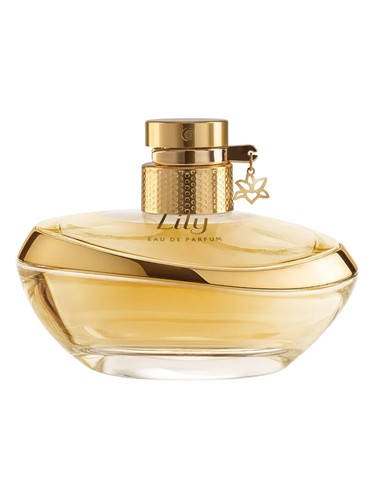
The first spray of Lily Eau de Parfum delivers an unexpected twist on what you might assume from its straightforward name. Rather than launching immediately into a heavy white floral assault, O Boticário opens with a clever misdirection: a juicy, golden medley of peach, apricot, and pear, sparked by the tingling brightness of pink pepper and mandarin orange. It''s like walking into a sun-drenched conservatory where someone has arranged bowls of summer fruit among the flower displays. The effect is simultaneously fresh and indulgent, a softness that promises sophistication without severity. This is white floral perfumery for those who might otherwise find the category intimidating.
The Scent Profile
The opening act lingers longer than expected, those stone fruits and pear creating a plush, almost velvety texture against the skin. The pink pepper adds just enough bite to keep the sweetness from becoming cloying, while mandarin orange provides a citrus shimmer that lifts everything skyward. It''s a generous introduction, lasting a good twenty to thirty minutes before the composition begins its graceful transition.
As the fruits recede, the heart reveals its true ambition: an extravagant bouquet that reads like a master class in white florals. The titular lily takes center stage, creamy and full-bodied, but it''s far from alone. Jasmine adds its indolic richness, gardenia contributes buttery depth, and osmanthus weaves in its peculiar apricot-tinged facets that echo the opening. Narcissus, rose, iris, and violet fill out the chorus, creating layers upon layers of petal-soft complexity. The iris, in particular, deserves attention—it brings a powdery elegance that tempers the more voluptuous florals, adding a refined, almost cosmetic quality that prevents the heart from becoming too heady or old-fashioned.
This is where Lily truly earns its 100% white floral accord rating and its 53% powdery designation. The effect is simultaneously lush and restrained, opulent yet approachable. It''s the scent of an extravagant bouquet viewed through a soft-focus lens.
The base notes anchor this floral cascade with surprising warmth and complexity. Musk provides a clean, skin-like foundation, while vanilla and amber add sweetness and golden depth. Sandalwood brings its characteristic creaminess, complementing the florals rather than competing with them. More intriguing are the inclusions of patchouli, vetiver, and moss—earthy, grounding elements that add subtle texture and prevent the composition from floating away entirely into powdery abstraction. This base never dominates, but it gives the fragrance remarkable staying power and a satisfying dry-down that lingers for hours.
Character & Occasion
The community data reveals something fascinating: this fragrance scores equally high for both day (97%) and night (99%) wear, a rare versatility that speaks to its balanced construction. That fruity-floral opening makes it fresh enough for daytime office wear or weekend brunches, while the rich floral heart and warm base give it enough presence for evening events.
Seasonally, Lily shines brightest in fall (100%) and spring (93%), which makes perfect sense. The warmth of the base notes and the richness of the floral heart feel perfectly suited to cooler weather and transitional seasons. Winter (86%) works beautifully too, when that vanilla-amber-sandalwood trio can really envelop you in comfort. Summer, at 49%, is this fragrance''s least favorable season—hardly surprising given the density of those white florals, though early morning or evening summer wear could work for those who love the scent year-round.
This is a fragrance for someone who appreciates classic femininity but wants a modern interpretation. It would suit the woman who wears tailored blazers with silk scarves, who keeps fresh flowers on her desk, who understands that elegance doesn''t require severity. It skews slightly mature in sensibility—not in age, but in taste—appealing to those who''ve moved past overly sweet or aggressively trendy fragrances.
Community Verdict
With a solid 4.02 out of 5 rating from 820 votes, Lily Eau de Parfum has earned genuine appreciation from a substantial community. This isn''t a niche curiosity with a handful of devotees; it''s a fragrance that has proven its appeal across a broad audience. That rating suggests a well-executed, reliably pleasing composition without major flaws or polarizing elements. It may not be the most daring or revolutionary fragrance on the market, but it delivers on its promises with consistency and quality.
How It Compares
O Boticário positions Lily alongside its own variations—214 Golden Gardênia and Lily Absolu—as well as against serious international competition: Dior''s J''adore and Mugler''s Alien. That''s ambitious company. While Lily may not have the marketing muscle or prestige of J''adore, it occupies a similar aesthetic territory: sophisticated white florals with broad appeal. It''s softer and more fruit-forward than J''adore''s ylang-ylang brightness, and far more approachable than Alien''s jasmine-cashmeran intensity. Within the Brazilian market, Natura''s Ilía offers comparable territory, but Lily distinguishes itself with that distinctive fruity opening and powdery iris-inflected heart.
The Bottom Line
Lily Eau de Parfum represents Brazilian perfumery at its most confident and accomplished. At a rating above 4 out of 5, it''s delivering satisfaction to a wide audience without compromising its character. While it won''t convert white floral skeptics or thrill those seeking avant-garde experimentation, it offers exactly what it promises: a beautifully constructed, versatile, feminine fragrance that works across multiple occasions and seasons.
The value proposition here is particularly strong. O Boticário offers accessible luxury, and Lily punches well above its price point with its complex composition and respectable longevity. For anyone building a fragrance wardrobe who needs a reliable, elegant floral option that can transition from boardroom to dinner reservation, this deserves serious consideration. It''s proof that you don''t need a French heritage house or a celebrity name to create a genuinely lovely fragrance—you just need good materials, thoughtful composition, and an understanding of what makes people want to wear a perfume again and again.
AI-generated editorial review