First Impressions
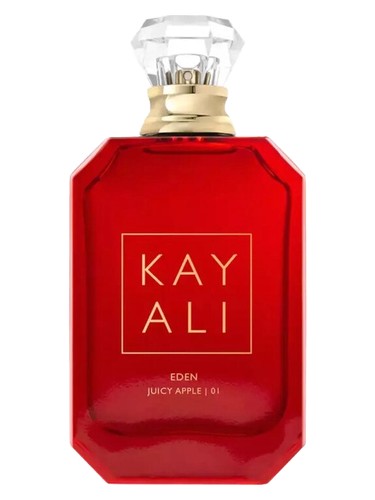
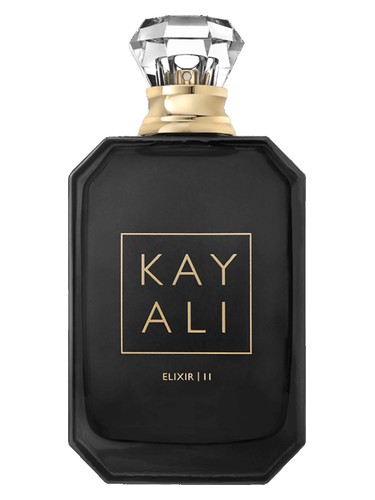
The first spray of Elixir 11 makes one thing abundantly clear: Kayali isn''t here to whisper. This is a rose that announces itself with the confidence of a performer taking center stage, flanked by the crisp bite of red apple that adds an unexpected juiciness to what could have been a traditional floral opening. There''s something almost candy-apple about those initial moments—sweet, glossy, and unapologetically attention-grabbing. The rose petals here aren''t the dewy, garden-fresh variety picked at dawn; they''re plush, almost theatrical in their intensity, suggesting velvet rather than silk.
The Scent Profile
The composition opens with rose petals and red apple creating an immediate tension between classic florality and modern fruity sweetness. That apple note does heavy lifting in the first fifteen minutes, tempering what might otherwise be an overwhelming floral assault. It''s a smart move, making the fragrance more approachable even as it telegraphs its rosy intentions.
As Elixir 11 settles into its heart, the May rose and jasmine sambac emerge to deepen the floral narrative. The May rose—traditionally prized for its full-bodied, almost honeyed richness—amplifies that sense of opulence established in the opening. Jasmine sambac brings a slight indolic edge, a whisper of something more animalic beneath all that prettiness. Yet here''s where the fragrance reveals its true character: at 85% on the accord scale, patchouli is nearly as dominant as the rose itself. This isn''t relegated to the base where it might politely ground the florals. Instead, it weaves through the entire composition, adding an earthy, slightly dark counterpoint that prevents Elixir 11 from becoming just another sweet rose fragrance.
The base notes of patchouli, amber, and vanilla create a foundation that''s warm, woody (51% accord), and decidedly amber-forward (50% accord). The vanilla here doesn''t read as gourmand so much as softly resinous, blending seamlessly with the amber to create that golden glow common to many Middle Eastern-inspired fragrances. The patchouli maintains its presence throughout, giving the entire dry-down an earthy sophistication that anchors all that fruit and floral sweetness to something more substantial.
Character & Occasion
Elixir 11 presents an interesting versatility challenge. The data shows equal wearability across all seasons, which makes sense given its structure—the fruity-floral top notes work in warmer weather, while the amber-patchouli base provides enough warmth for cooler months. However, this is unmistakably a statement fragrance. The sillage and intensity suggested by that "Elixir" concentration designation means you''re not slipping into a room unnoticed.
This is evening wear in spirit if not strictly in practice. While the day/night data doesn''t skew definitively in either direction, the richness of the composition and its unabashed boldness suggest special occasions, date nights, or any moment when you want your presence felt before you''re seen. It''s the fragrance equivalent of a red lip—technically wearable anytime, but always making a statement.
The decidedly feminine classification fits the aesthetic here: this is rose romance amplified through a modern lens, sweetened with fruit, grounded with patchouli, and wrapped in amber warmth. Those who prefer subtle, "your skin but better" fragrances will find Elixir 11 exhausting. But for those who view fragrance as armor, accessory, and announcement all at once, this delivers.
Community Verdict
With a rating of 3.64 out of 5 from 706 votes, Elixir 11 occupies interesting middle ground. This isn''t a universally beloved masterpiece, nor is it dismissed as a failure. That solid mid-range rating suggests a fragrance that delivers exactly what it promises—which some will love and others will find too much. The relatively substantial vote count (over 700 reviewers) gives that rating credibility; this isn''t a niche curiosity with five reviews, but a fragrance that''s been genuinely explored by the community.
That 3.64 likely reflects the polarizing nature of bold rose-patchouli compositions. Those seeking complexity, longevity, and presence are scoring it higher; those hoping for subtlety or innovation are marking it down. It''s a fragrance that knows what it is and doesn''t apologize.
How It Compares
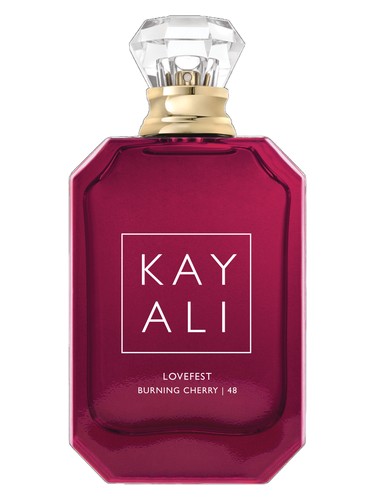
The similar fragrances list reads like a tour through modern sweet-floral territory. Delina by Parfums de Marly represents the gold standard of contemporary rose fragrances—more refined and considerably more expensive, but operating in similar olfactory space. Black Opium''s presence on the list speaks to Elixir 11''s sweetness and its coffee-less warmth. The other Kayali fragrances—Sweet Diamond Pink Pepper 25, Lovefest Burning Cherry 48, and Déjà Vu White Flower 57—suggest this is a brand with a consistent aesthetic: bold, sweet, unapologetically feminine compositions.
Where Elixir 11 distinguishes itself is in that patchouli dominance. While many of its peers lean heavily into pure sweetness, the earthy depth here provides grounding that''s sometimes missing in this category. It won''t replace Delina for those seeking refinement, but it offers a more affordable alternative with its own personality.
The Bottom Line
Elixir 11 is what it is: a big, bold, sweet rose-patchouli fragrance that favors impact over subtlety. That 3.64 rating feels honest—this is a competent, well-constructed fragrance that won''t revolutionize anyone''s collection but might become a reliable reach for those who connect with its particular brand of floral intensity. The price point (typically mid-range for the Kayali line) makes it accessible enough to explore without significant financial commitment.
Who should try it? Anyone drawn to modern rose fragrances who wants something with more edge than pure prettiness. Those who found Delina appealing but prohibitively expensive. Anyone building an evening-wear rotation who needs something reliably attention-grabbing. Skip it if you prefer minimalism, natural-smelling florals, or anything described as "elegant restraint." Elixir 11 has many virtues, but restraint isn''t among them—and that, for the right wearer, might be exactly the point.
AI-generated editorial review