First Impressions
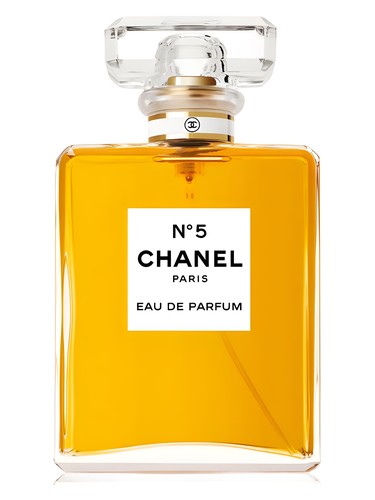
The first spray of Chanel No 5 Eau de Parfum is nothing if not decisive. A sharp, soapy burst of aldehydes crashes over you like a wave of vintage glamour—or, as a surprisingly vocal contingent insists, like a cloud of insect repellent. This is not a fragrance that whispers. It announces itself with the unmistakable brightness that defined luxury in another era, when Coco Chanel commissioned Ernest Beaux to create "a woman''s perfume with a woman''s scent." The aldehydes—those synthetic molecules that sparked a revolution in 1921—remain as uncompromising in this 1986 Eau de Parfum concentration as they were a century ago. Ylang-ylang and neroli peek through the chemical curtain, while bergamot and an unexpected whisper of peach attempt to soften the blow. But make no mistake: those aldehydes are here to make a statement, whether you''re ready for it or not.
The Scent Profile
The opening act is dominated by that infamous aldehydic profile—scoring a substantial 78% in its accord breakdown—but it''s the woody backbone at 100% that ultimately defines this composition''s character. Those first fifteen minutes are a test of faith. The aldehydes create an almost effervescent quality, like champagne mixed with fresh linens and a peculiar, almost medicinal edge that sends some wearers running. The peach note, barely perceptible at first, adds a vintage softness that reads more "powder compact from the 1950s" than actual fruit.
But patience reveals the heart of why this fragrance has endured. As the initial shock subsides, a triumphant white floral bouquet emerges—jasmine and rose intertwined with iris and lily-of-the-valley. This is where the 67% white floral accord flexes its muscle, creating a creamy, indolic richness that feels genuinely luxurious. The powdery quality (55%) becomes more apparent here, that vintage cosmetic softness that divides generations.
The base is where believers find their religion. Sandalwood provides a creamy, woody foundation while oakmoss—that now-restricted ingredient that defined classic chypres—adds a sophisticated, slightly musty earthiness (53% earthy accord). Vanilla rounds the edges without sweetening excessively, while patchouli and vetiver ground everything with an almost masculine depth. This drydown, hours after that controversial opening, is where No 5 EDP reveals why it refuses to die. It''s warm, complex, and genuinely beautiful—a skin scent that whispers of old-world elegance.
Character & Occasion
The data tells a clear story: this is a cold-weather fragrance. Winter scores a perfect 100%, fall comes in at 98%, and the numbers drop precipitously as temperatures rise—spring manages only 64%, summer a struggling 39%. That woody, powdery character simply doesn''t thrive in heat, where the aldehydes can turn harsh and the florals cloying.
Interestingly, while day wear registers at 83%, night wear climbs to 93%. This suggests that No 5 EDP performs best in formal, evening settings where its vintage character reads as intentional sophistication rather than accidental anachronism. Picture it at winter galas, theater openings, formal dinners—occasions where a certain gravitas is not just accepted but expected.
The community data reveals the real target demographic: fragrance collectors who want to understand perfume history, older generations who remember when this was the pinnacle of luxury, and those with the patience to wait for that glorious drydown. This is decidedly not a blind-buy for someone expecting an immediately accessible, modern fragrance.
Community Verdict
The Reddit community''s mixed sentiment (5.5/10) tells a story of profound disappointment meeting grudging respect. With 34 opinions analyzed, a consistent pattern emerges: respect for what No 5 represents crashes headlong into the reality of what it actually smells like to modern noses.
The "bug spray" comparison appears repeatedly—not as isolated criticism but as a genuine, shared experience among multiple users. That aldehydic opening, revolutionary in 1921, reads as insect repellent to a generation raised on fruity florals and gourmands. The phrase "old ladies perfume" surfaces frequently, capturing how thoroughly this fragrance has become associated with a bygone era.
Yet the pros are real: its historical significance is undeniable, the longevity is impressive, and those who push through the opening find a drydown worth experiencing. It''s the kind of fragrance collectors feel obligated to own, even if they rarely wear it. The EDT version receives mentions as potentially more wearable, suggesting the EDP concentration may amplify the very characteristics that make it challenging.
How It Compares
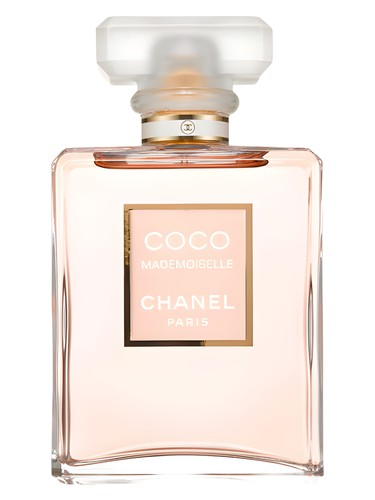
Chanel offers a family tree of No 5 variations, each attempting to make this icon more accessible. The original Parfum concentration is denser and richer, the Eau de Toilette lighter and easier, while No 5 Eau Premiere (2015) and No 5 L''Eau modernize the formula with varying degrees of success. Coco Mademoiselle, though listed as similar, represents Chanel''s successful attempt to capture younger audiences with a more contemporary take on sophisticated femininity—what No 5 might have been if conceived today.
Within the broader landscape of classic aldehydic florals, No 5 EDP remains the reference point, for better or worse. Everything else is measured against it, even as most modern wearers prefer those alternatives.
The Bottom Line
A 3.6 out of 5 rating from over 11,000 votes is remarkably lukewarm for the world''s most famous perfume—and that tells you everything. This is not a universally loved fragrance; it''s a historically important one that many people respect more than they enjoy.
Should you buy it? If you''re building a serious fragrance collection or want to understand perfume history, yes—but get a sample first. If you loved your grandmother''s perfume and miss that vintage aesthetic, absolutely. If you''re expecting to fall in love with something immediately wearable and modern, you''re setting yourself up for the bug spray disappointment that haunts online forums.
The truth is that Chanel No 5 Eau de Parfum is more important than it is beautiful, more significant than it is wearable. And sometimes, that''s enough.
AI-generated editorial review