First Impressions
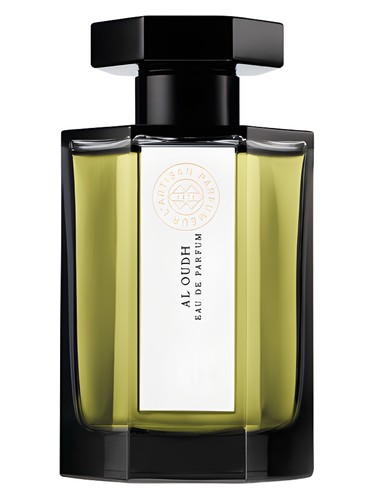
The first spray of Al Oudh reveals L'Artisan Parfumeur's 2009 interpretation of East-meets-West perfumery at its most unapologetic. This isn't a timid introduction to oud for Western audiences—it's a full-throated declaration. Caraway and cardamom immediately announce themselves with confident spice, while pink pepper adds a fizzing brightness that prevents the opening from becoming too heavy. What distinguishes this entry is the unexpected sweetness: dates and dried fruits weave through the spice market atmosphere, creating an almost confectionery quality that softens the traditionally austere oudh experience. Orange blossom hovers at the edges, providing just enough floral relief to remind you this was marketed as a feminine fragrance, though that designation feels increasingly arbitrary two decades into the 21st century.
The Scent Profile
The journey from opening to drydown in Al Oudh is less a linear progression than a gradual layering, like watching spice traders add goods to an already overflowing caravan. Those initial spices—caraway's slightly medicinal edge, cardamom's eucalyptus-tinged warmth, pink pepper's metallic bite—don't simply vanish. Instead, they recede as the heart reveals itself with remarkable complexity.
Here, the agarwood finally takes center stage, though it's wrapped in so many complementary notes that it never dominates with the animalic intensity some oud purists demand. Leather and incense create a smoky, ceremonial backdrop, while saffron adds its distinctive hay-like richness. Rose and iris attempt to maintain the feminine positioning, though they read more as textural elements than distinct florals—the rose provides plushness, the iris a powdery sophistication. Neroli injects brief moments of citrus-floral freshness that feel almost like taking a breath between bites of something decadently spiced.
The base is where Al Oudh reveals its true ambitions. This is not a minimal composition. Civetta (civet) adds a musky animalic warmth that feels vintage in the best sense—reminiscent of classic French perfumery before everything became scrubbed clean for mass appeal. Myrrh contributes a resinous, slightly bitter depth, while sandalwood and Virginia cedar provide woody scaffolding. Patchouli, that polarizing note, is present but restrained, reading more earthy than head-shop. Tonka bean and vanilla arrive to sweeten the finale, with musk threading through everything to create a skin-like intimacy. The result is a base that can hold court on skin for hours, morphing gradually as different facets catch the light.
Character & Occasion
The community data tells a clear story: this is unambiguously a cold-weather fragrance. With fall scoring 100% and winter at 95%, Al Oudh makes no pretense of being a year-round companion. The density of notes, the warmth of those spices, the sweetness of dates and vanilla—these elements demand crisp air and layered clothing. Spring wearers drop to 43%, and summer barely registers at 25%. This is a fragrance that belongs with cashmere scarves and wool coats, not linen and sandals.
The day-to-night breakdown is more forgiving but still instructive: 73% day versus 90% night. While you certainly can wear Al Oudh during daytime hours—particularly on cold, overcast days when something enveloping feels appropriate—it truly comes alive in evening settings. This is a fragrance for dinners that stretch into the late hours, for art gallery openings, for nights when you want your presence announced before you fully enter the room.
Despite its feminine classification, the warm spicy dominant accord (100%) and prominent oud notes (73%) make this a fragrance that wears androgynously in practice. Anyone drawn to rich, complex, unapologetically bold compositions will find something to appreciate here.
Community Verdict
With 921 votes tallying to a 3.9 out of 5 rating, Al Oudh sits comfortably in "very good" territory without reaching universal acclaim status. This rating profile makes sense. This isn't a crowd-pleaser designed for mass appeal—it's too complex, too sweet, too much of several things at once. The nearly 1,000 votes suggest genuine interest and engagement with the fragrance, while the solid but not stellar rating indicates a perfume that rewards those who connect with its particular vision while leaving others admiring it from a respectful distance.
How It Compares
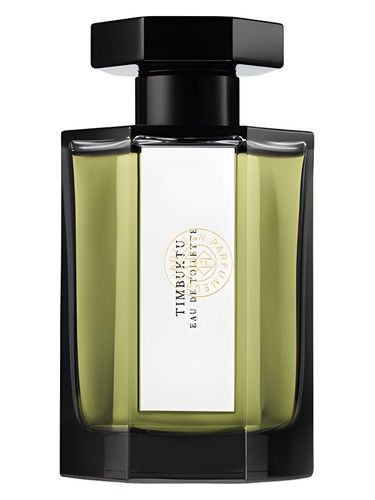
The similar fragrances list reads like a who's who of the oud and spice-oriental category. Amouage's Jubilation XXV Man and Tom Ford's Oud Wood represent the luxury oud market—both more expensive than L'Artisan's offering. Timbuktu, from the same house, shares that spice-market DNA but travels a smokier, more austere route. The Guerlain Shalimar comparison highlights Al Oudh's connection to classic French orientalism, while Musc Ravageur points to that shared animalic, spice-laden sweetness.
Where Al Oudh distinguishes itself is in that particular combination of dried fruits and dates with the oud—a sweetness that feels Middle Eastern in inspiration rather than Western gourmand. It's more souk than patisserie, more spiced honey than vanilla cupcake.
The Bottom Line
Al Oudh represents L'Artisan Parfumeur at an interesting crossroads in their history—embracing popular ingredients (oud was ascending in 2009) while maintaining their artisanal approach to composition. The 3.9 rating from nearly a thousand voters suggests a fragrance with genuine merit that may not convert skeptics but deeply satisfies those who align with its aesthetic.
This is not a safe purchase, nor an easy wear. It demands cold weather, accepts no timidity, and wears with a presence that some will find thrilling and others overwhelming. For those who love layered, complex spice compositions with a genuine oud heart (not just a whisper of woody notes labeled "oud"), Al Oudh deserves sampling. For anyone building a cold-weather rotation who appreciates fragrances that tell a story rather than simply smell pleasant, this 2009 release remains relevant and engaging fifteen years later—no small achievement in the rapidly churning fragrance market.
AI-generated editorial review